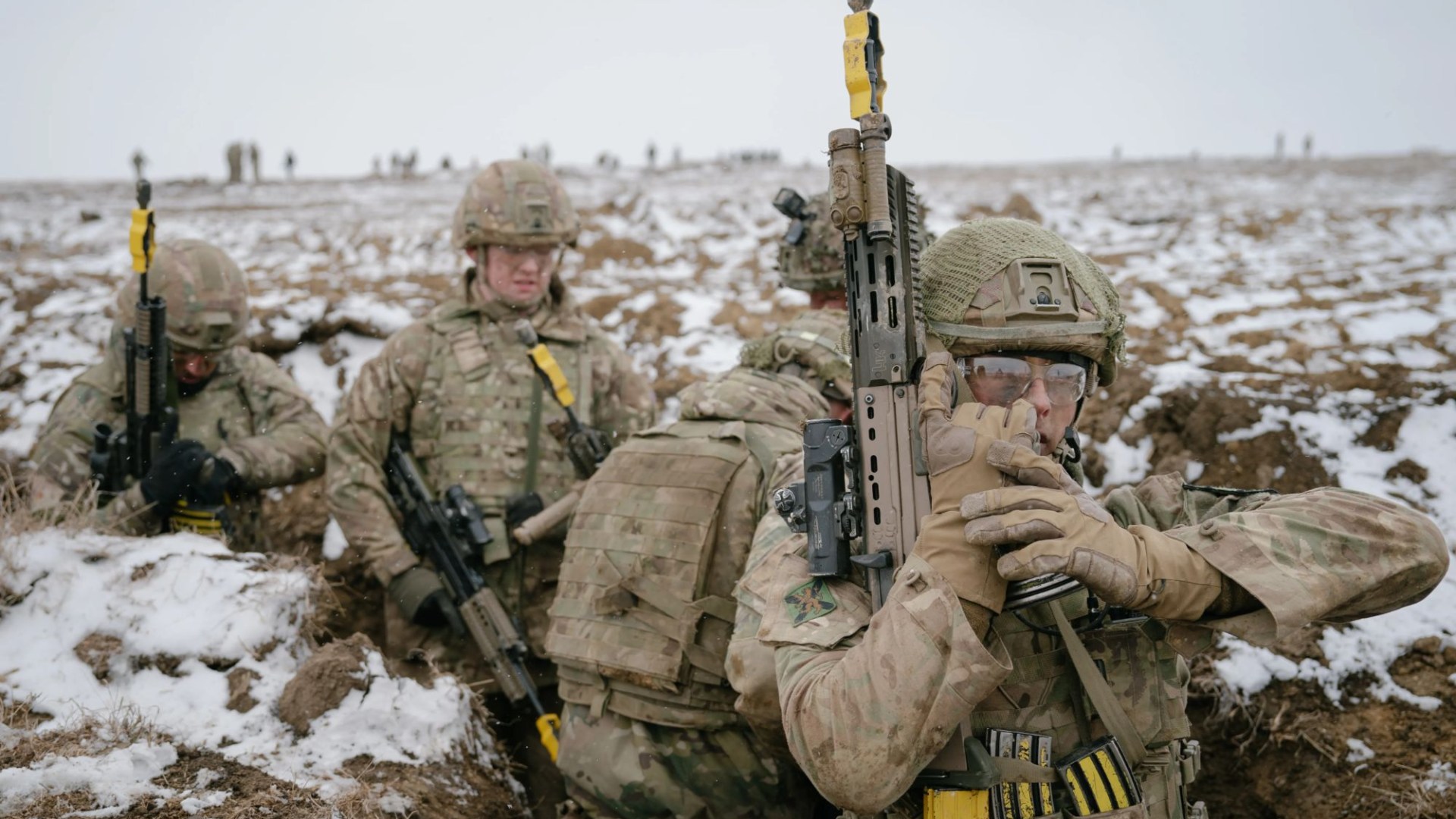
BRITAIN faces an annual funding shortfall of up to £10 billion to be battle-ready in the fight against Russia, a new report warns.
The military must be ready for a high-intensity conflict in Europe in urban and drone warfare expected in any confrontation, the study says.
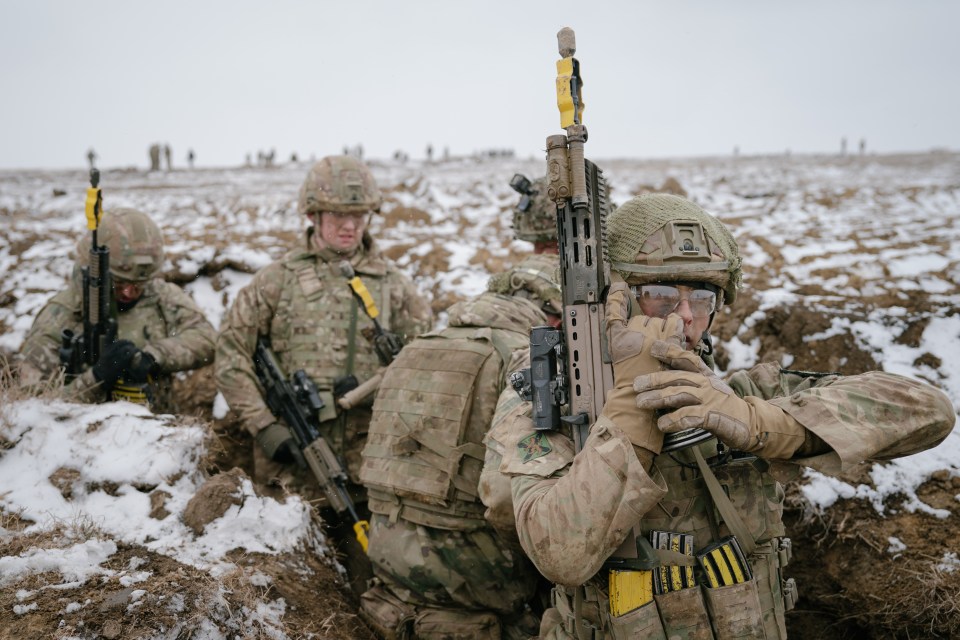
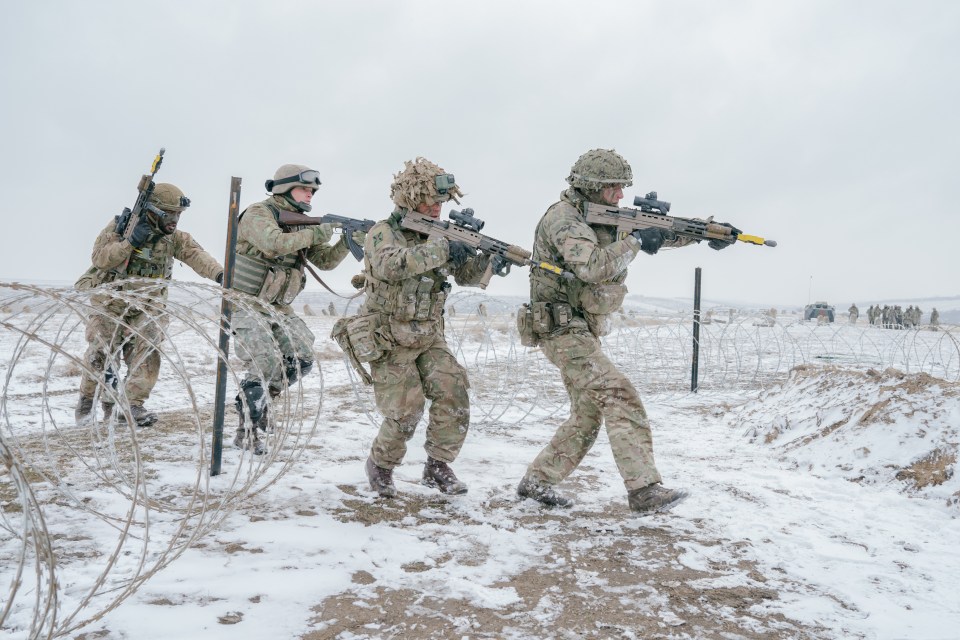
The intervention comes after NATO boss Mark Rutte said Moscow could attack a member of the military alliance within the next five years.
Andrew Fox, from the Henry Jackson Society, argues that if Britain is drawn into conflict it lacks equipment, stockpiles and training infrastructure to prevail.
The former Parachute Regiment Major said: “If Britain ends up in a conflict with Russia, we will face exactly these conditions – and right now, we are not ready.
“Our modelling shows a £7–£10 billion annual gap between what the Army needs and what current funding provides. The Government’s budget does nothing to close it.”

It follows the head of the Royal Navy General Sir Gwyn Jenkins pleading to the Treasury to match the cash spend by the UK’s enemies.
Labour has put off meeting 2.5 per cent of GDP on defence until later on in 2027.
Ministers have pledged to spend 3 per cent in the next Parliament.
An Ministry of Defence spokesperson, commenting on the study, said: “This government is delivering the largest sustained increase in defence spending since the end of the Cold War – with a £5bn boost last year and hitting 2.6% of GDP by 2027, a level not seen since 2010.
“The Spending Review set out a historic real terms increase in the MOD’s budget which will see over £270 billion invested into defence across this parliament, meaning no return to the hollowed out and underfunded armed forces of the past.
“Through the Strategic Defence Review we are learning the lessons of the war in Ukraine, which is why we’re surging investment into drone and counter drone systems.
“The Government is also bolstering the UK’s readiness and resilience, signing over 1,000 major contracts, increasing our spend with British businesses and building six state-of-the art munitions factories, helping us to create an ‘always on’ munitions system, which resupplies our stocks.”