Two countries in West Africa have banned US citizens from entering in response to a similar move by the Trump administration.
Mali and Burkina Faso were recently placed under full entry restrictions under US President Donald Trump‘s expanded travel ban.
In separate statements, they said they would apply the same measures on US nationals.
Burkina Faso’s foreign affairs minister, Karamoko Jean-Marie Traoré said his government was acting on the ‘principle of reciprocity’.
Mali’s foreign ministry called for ‘mutual respect and sovereign equality’, according to BBC News.
The country said it regretted the US’s move, stating that ‘such an important decision was made without any prior consultation’.
Mali and Burkina Faso’s decision comes days after reports that Niger in West Africa imposed a travel ban on US citizens, though no official statement has been issued by its foreign ministry to confirm this.
The three countries form the military-led Alliance of Sahel States, a mutual defence and economic bloc created to counter jihadist threats and promote regional integration.
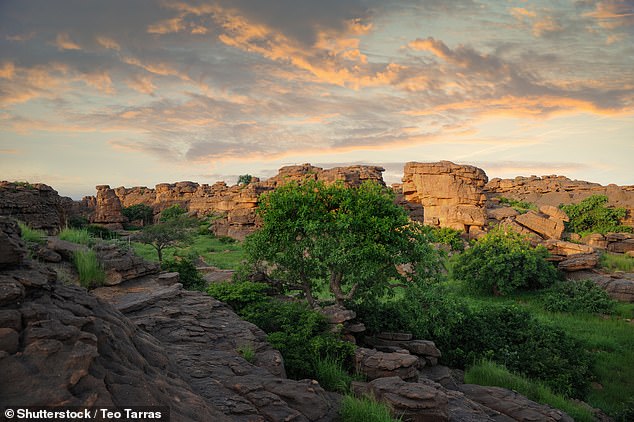
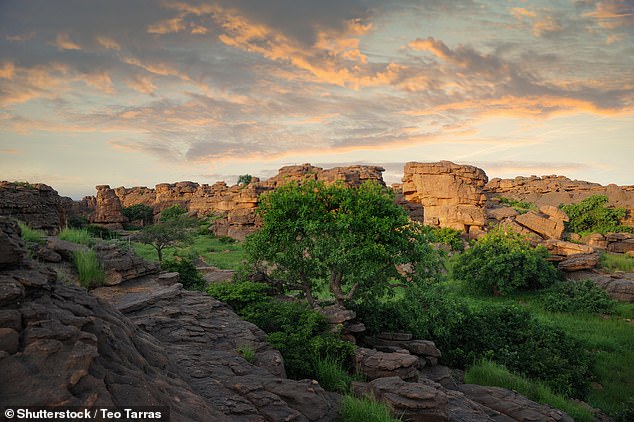
Mali and Burkina Faso were recently placed under full entry restrictions under US President Donald Trump’s expanded travel ban. Bandiagara Escarpment in Mali is pictured
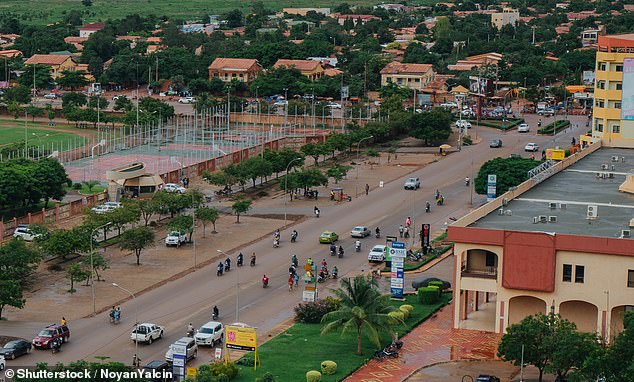
Burkina Faso’s foreign affairs minister, Karamoko Jean-Marie Traoré said his government was acting on the ‘principle of reciprocity’. Ouagadougou, the capital city of Burkina Faso, is pictured
Earlier this month, the White House said that full-entry restrictions would be imposed on people from the three countries, as well as South Sudan, Syria and Palestinian Authority passport holders.
The decision came into effect today (January 1), and is intended to ‘protect the security’ of the US.
The White House said the toughened restrictions were based on security assessments which showed ‘persistent and severe deficiencies’ in screening, vetting and information-sharing by the affected countries.
Officials cited high visa overstay rates, refusal to accept deported nationals, terror threats and unreliable local records which make background checks unreliable.
The administration also moved Laos and Sierra Leone, which were previously subject to partial restrictions, to the full ban list, and put partial restrictions on 15 other countries, including Nigeria, Tanzania and Zimbabwe.
The White House said the restrictions would remain in place until affected countries show ‘credible improvements’ in identity management, information-sharing and cooperation with US immigration authorities.
A number of exceptions apply and the ban will not affect lawful permanent residents, many existing visa holders, diplomats, or athletes travelling for major sporting events.
Officials said case-by-case waivers would also be available where travel is deemed to be in the national interest.
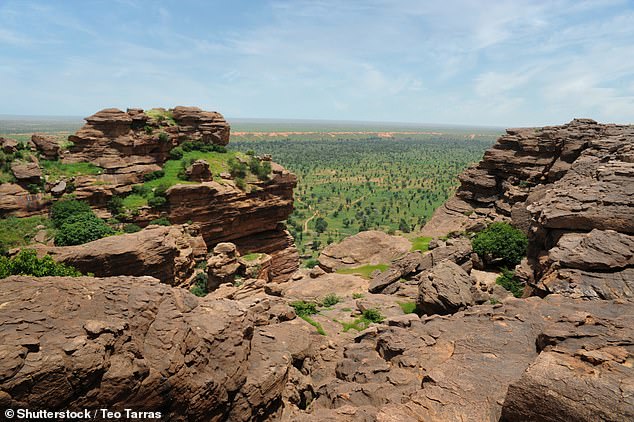
Cliff of Bandiagara, a UNESCO World Heritage site located in the Dogon country of Mali, West Africa, is pictured
It comes as foreign tourists are set to be forced to hand over the past five years of their social media history in order to enter the United States.
Social media data would be required for anyone entering the United States, including those from countries such as the United Kingdom and Germany, which are on the visa waiver program.
It follows a June announcement by the State Department that ordered tourists to make their social media profiles public.
People entering the US will also be asked to provide email addresses, phone numbers and information on their family members in order to achieve safe passage.
With the World Cup and Olympics headed to the United States in 2026 and 2028, respectively, there will be hundreds of thousands of foreign travellers entering the country.