MILLIONS of Brits with gas boilers could be slapped with a new £30-a-year green levy to help fund the nation’s switch to electric heat pumps.
Energy Secretary Ed Miliband is preparing to unveil a massive £15billion “Warm Homes Plan” in the coming weeks – and it looks like gas users are going to foot the bill.

The overhaul would cut electricity prices by shifting green levies onto gas bills, The Times first reported.
Currently, electricity is roughly four times more expensive than gas.
Ministers believe that by artificially lowering the price of electricity – and hiking the price of gas – households will be more likely to ditch their boilers for eco-friendly heat pumps.
But the move has sparked fears that struggling families will be left out of pocket.

Even Labour backers are sounding the alarm.
Green energy tycoon and Labour donor Dale Vince slammed the idea, warning it will hammer poorer families who can’t afford to upgrade their heating systems anyway.
He said the change would unfairly target those already struggling to pay their bills, while the benefits would go to the few who can afford the switch.
Vince said: “If you get a government subsidy for a heat pump, you still need to find £7,000 yourself.
“[The government thinks] if we start putting up the gas bills of everybody, so that a few people can have heat pumps, we’ll make heat pumps more economic.
“I just think that’s wrong.”
The news comes just after Chancellor Rachel Reeves scrapped a separate £1.3billion energy scheme, which was supposed to knock about £30 off annual bills.
But Miliband’s new gas levy would effectively wipe out that saving instantly, leaving households back at square one.
Despite the promise of lower electricity bills, analysis suggests that families could still be paying more for power by the end of the decade than they were when Labour took office.
Miliband’s huge package is expected to include low to zero-interest loans for homeowners to install solar panels, batteries, and heat pumps.
It will also likely feature cash grants for the poorest households to upgrade insulation and subsidy extensions for new heat pumps until the end of the parliament.
However, a government spokesman hit back at the reports, stating: “This is speculation.
“We are investing an additional £1.5billion into our warm homes plan, taking it to nearly £15billion – the biggest ever public investment to upgrade homes and tackle fuel poverty.”
Energy bills to rise in hours
Many households’ energy bills are to rise on Thursday, just as a swathe of cold health alerts have been issued for large areas of the UK.
The 0.2% increase to Ofgem’s energy price cap will equate to a rise of about 28p a month for the average household in England, Wales and Scotland remaining on a standard variable tariff.
This amounts to an average overall bill of £1,758 a year, up from the current £1,755.
But experts at Cornwall Insight said they expect energy bills to fall by £138, or 8%, to £1,620 a year when the cap is next updated in April thanks to Government measures announced in the recent budget.
Chancellor Rachel Reeves said £150 would be cut from the average household bill from April by scrapping the Energy Company Obligation (Eco) scheme introduced by the Tories in government.
Wholesale energy prices have also dropped in recent weeks, which is set to keep a lid on energy price hikes from April, according to Cornwall Insight.
Regulator Ofgem said Thursday’s increase in the cap, which was announced in November, was being driven by the funding of nuclear power projects and discounts to some households’ winter bills.
This included funding the Government’s Sizewell C nuclear power plant in Suffolk – with an average of £1 added to each household’s energy bills per month for the duration of the £38 billion construction.
An increase to standing charges – the amount consumers pay per day to have energy supplied to their homes – was also largely due to costs linked to the Government’s Warm Home Discount scheme.
Around 2.7million more low-income households, including 900,000 families with children, are eligible for the £150 discount this winter.
However, the regulator said the new price cap was £37 lower than a year ago when adjusted for inflation.
Ofgem’s price cap sets a maximum rate per unit and standing charge that customers can be billed when they are not on a fixed tariff.
It does not limit total bills because households still pay for the amount of energy they consume.
Which? energy editor Emily Seymour said: “As we head into the coldest months of the year, many households will be concerned that the energy price cap will increase slightly in the new year.
“There are several deals on the market for lower than the price cap so now is a good time to shop around if you’re looking to fix.
“As a rule of thumb, we’d recommend looking for deals cheaper than the current price cap, not longer than 12 months and without significant exit fees.
“If you’re on a variable tariff, make sure to submit a meter reading to ensure you pay the cheaper rates for any energy used before the new price cap takes effect.”
What energy bill help is available?
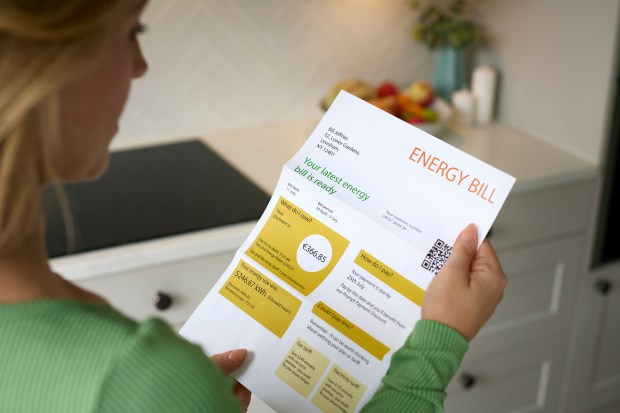
There’s a number of different ways to get help paying your energy bills if you’re struggling to get by.
If you fall into debt, you can always approach your supplier to see if they can put you on a repayment plan before putting you on a prepayment meter.
This involves paying off what you owe in instalments over a set period.
If your supplier offers you a repayment plan you don’t think you can afford, speak to them again to see if you can negotiate a better deal.
Several energy firms have schemes available to customers struggling to cover their bills.
But eligibility criteria vary depending on the supplier and the amount you can get depends on your financial circumstances.
For example, British Gas or Scottish Gas customers struggling to pay their energy bills can get grants worth up to £2,000.
British Gas also offers help via its British Gas Energy Trust and Individuals Family Fund.
You don’t need to be a British Gas customer to apply for the second fund.
EDF, E.ON, Octopus Energy and Scottish Power all offer grants to struggling customers too.
Thousands of vulnerable households are missing out on extra help and protections by not signing up to the Priority Services Register (PSR).
The service helps support vulnerable households, such as those who are elderly or ill.
Some of the perks include being given advance warning of blackouts, free gas safety checks and extra support if you’re struggling.
Get in touch with your energy firm to see if you can apply.