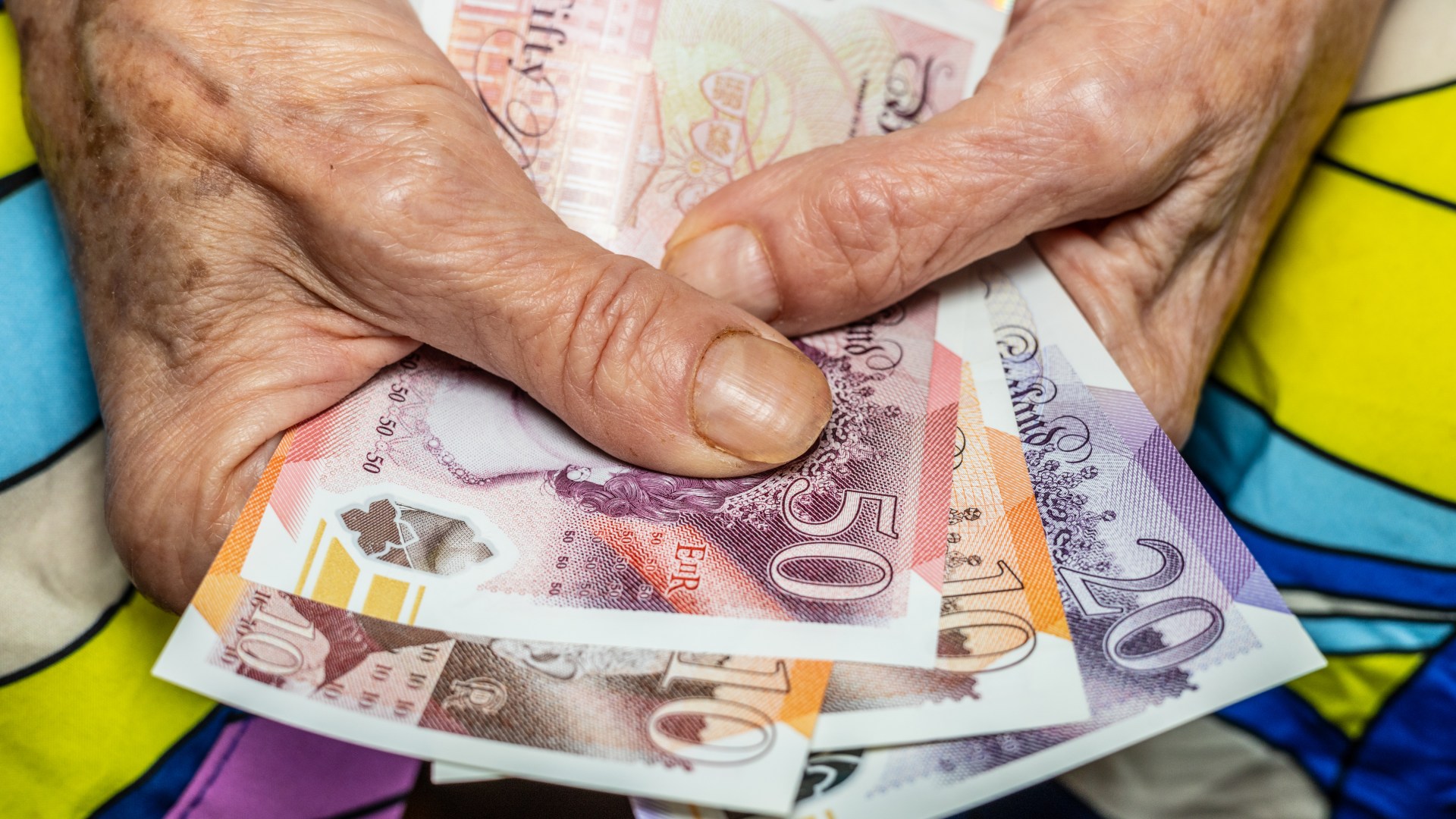
YOU may have to wait a bit longer to get your state pension as millions are set to be affected by a 2026 shake-up.
Right now, the state pension age is 66.
But starting from April 6, 2026, the state pension age will begin to rise gradually from 66 to 67.
This transition will happen in stages over two years, finishing in April 2028.
The qualifying age to claim the support does not jump straight to 67. Instead, it increases month by month.
So for example, if you were born between April 6 1960 and March 5 1961 your pension age will be somewhere between 66 years and 1 month and 66 years and 11 months, depending on exactly when you were born.


But if you were born on or after 6 March 1961 your state pension age will be 67.
Why is this happening?
The current State Pension costs the Treasury around £125billion a year and as Brits live longer this is expected to rise.
Meanwhile, the triple lock promise, which guarantees the state pension increases in line with inflation, wages or 2.5%, is expected to hit £15.5billion a year by 2030.
Those born after 1961, will have to wait even longer to access their state pension.
Between 2044 and 2046, the state pension age will rise to 68.
That means if you are around 48 years and three months or younger, your state pension age will be 68.
However, a review launched earlier this year, means the rise could be accelerated and the state pension age could even rise to 69 or 70.
The government reviews the state pension age every six years and the next review was due in 2029 – but will now come in 2027.
Speaking at the time, Rahel Vahey, head of public policy at AJ Bell, said: “An increase to state pension age from 66 to 67 is already slated to happen between 2026 and 2028. But it’s less clear what will happen after that.
“There is also an increase to age 68 pencilled in for 2046, but a faster increase is definitely on the cards.
“The first two reviews of the state pension age advocated bringing this forward, but successive governments have treated the issue like a hot potato.”
How much is the state pension worth?
The state pension is set to rise next April, thanks to the triple lock policy.
How does the state pension work?
AT the moment the current state pension is paid to both men and women from age 66 – but it’s due to rise to 67 by 2028 and 68 by 2046.
The state pension is a recurring payment from the government most Brits start getting when they reach State Pension age.
But not everyone gets the same amount, and you are awarded depending on your National Insurance record.
For most pensioners, it forms only part of their retirement income, as they could have other pots from a workplace pension, earning and savings.
The new state pension is based on people’s National Insurance records.
Workers must have 35 qualifying years of National Insurance to get the maximum amount of the new state pension.
You earn National Insurance qualifying years through work, or by getting credits, for instance when you are looking after children and claiming child benefit.
If you have gaps, you can top up your record by paying in voluntary National Insurance contributions.
To get the old, full basic state pension, you will need 30 years of contributions or credits.
You will need at least 10 years on your NI record to get any state pension.
So if you qualify for the full new state pension, your weekly payments will go up to £241.30, which works out to a total of £12,547.60 a year.
If you reached retirement age before April 2016, you are on the basic State Pension system, and you will also see a boost.
Your payments are set to rise by about £439 a year, bringing the annual total to £9,614.80.
You may also have a private pension if you and your employer made contributions to it while you were working, which will add to your pot.
You need a minimum of ten years of National Insurance contributions to get any state pension.
But you may have gaps in your record if you took time off work, for example to raise a family or care for a loved one.
Fortunately, you can purchase years or use free credits to top up your contributions.
If you’re below the state pension age, you can check your state pension forecast by visiting gov.uk/check-state-pension to determine if you’ll benefit from paying voluntary contributions.
You can also contact the Future Pension Centre by calling 0800 731 0175.
If you’ve reached state pension age, contact the Pension Service to find out if you’ll benefit from voluntary contributions.
You can contact this service in several different ways by visiting gov.uk/contact-pension-service.
‘We’re relying on the pension… and now it’s going to be pushed back and back’
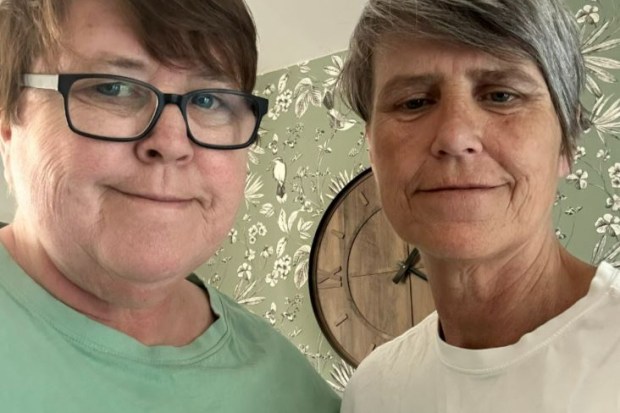
NICOLA Jones, 58, gave up her job as a mental health worker last year to become a full-time carer for her partner Tracy, 54, who has MS.
The couple say they’re very worried about potential changes to the state pension age, which they’re hoping will ease the financial strain of living solely off benefits including Universal Credit and Carer’s Allowance, which give them a joint monthly income of £1118.67.
While Nicola will not be affected by the predicted changes, Tracy probably will.
“We’re on the bread line as it is because I’m a full time carer and we have no savings. We keep hearing that people should be saving towards their pension, but we can’t do that,” Nicola said.
“We’re really struggling as it is, and we would rely on the pension coming in and just easing our life really and just making it less stressful, and now it’s going to get pushed back and back – I mean, I’ve heard it could be going up to 70.”