A NEW year looms and we inevitably start thinking about resolutions. After 2025 was dominated by the rise of fat jabs, it’s tempting to look for a quick fix.
“For too long, we’ve been told to take up less space, that being smaller or thinner is better,” says Lina Chan, director of women’s health at Holland & Barrett.
“But our wellbeing shouldn’t start with shrinking ourselves. Instead of New Year’s resolutions about losing weight, we should be asking: ‘What will make me feel stronger, calmer and more resilient this year?’”
If you want to be your best self yet – physically fit, mentally resilient and feeling confident – it’s time to stop chasing fleeting fad diets, negative self-talk and an unrealistic image of yourself.
True vitality is built on a holistic approach to health, grounded in stable, consistent habits and self-compassion, according to the experts. So, here’s how to achieve it.
Physical strength
Victoria Beckham, Jennifer Aniston and Halle Berry are just a few A-listers who have revealed they switched sweaty cardio for weight training.
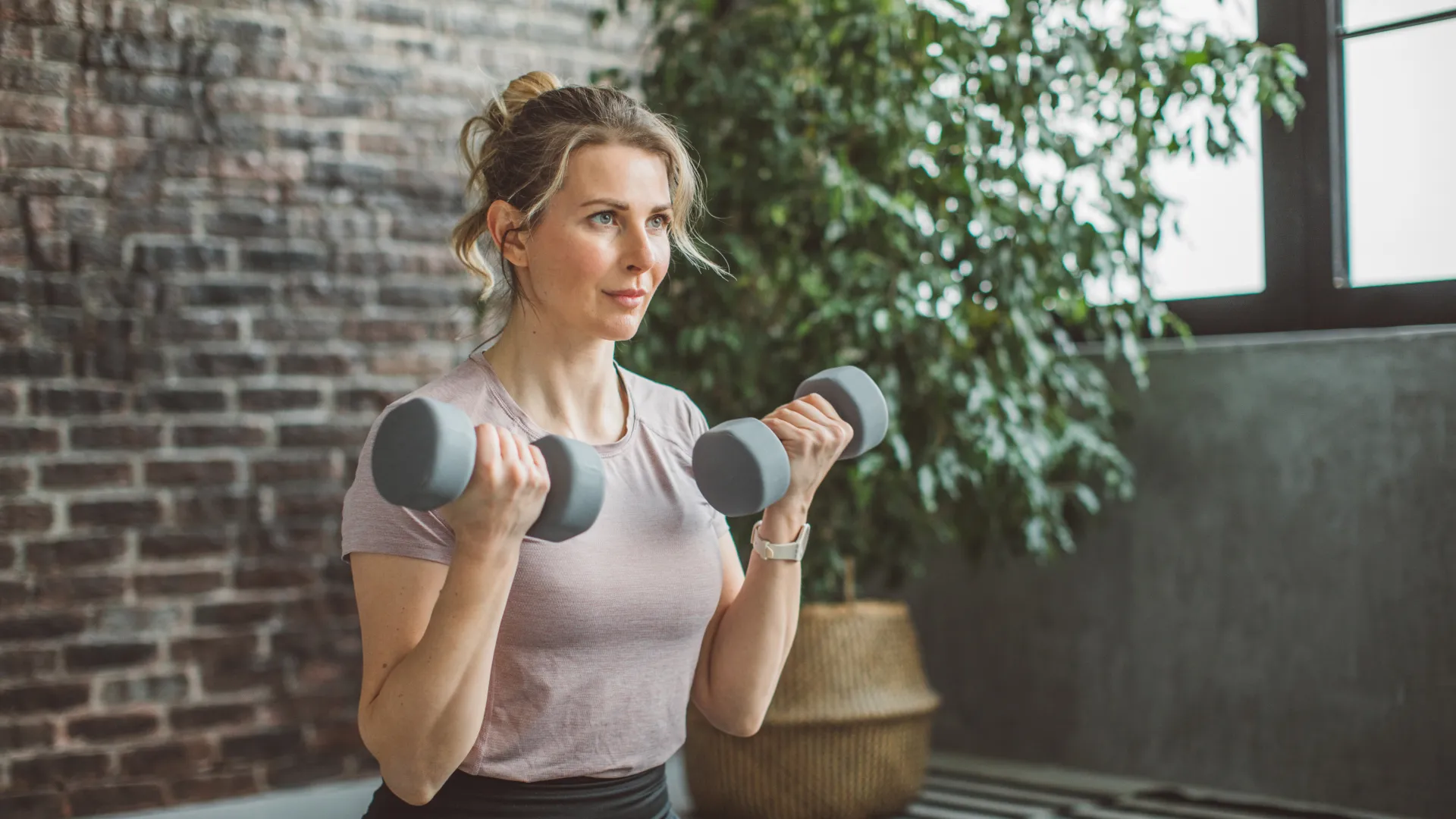
And for good reason – not only will it give you a great figure (hello, defined arms and a peachy bum), but: “Building muscle also protects our bones, supports our metabolism and improves hormonal health,” says Nancy Best, personal trainer and founder of the Ladies Who Crunch app.
“Research shows muscle-strengthening activities are associated with a 10-17% lower risk of mortality. The earlier we begin, the stronger foundation we build for later life.”
And it’s never too late to start. “We lose muscle mass, bone density and strength as we age,” says Monique Eastwood, who has trained the likes of Emily Blunt and Anne Hathaway.
If you are new to fitness, she recommends starting slow, but committing to a schedule.
“Begin with 10 minutes, three times a week, and build on that until you are doing a 40-minute workout with weights.”
And tracking how much you are lifting is key. Write down what you lift after every workout, so the next time, you can aim a little higher. “You need to continually challenge your body to develop strength,” says Nancy.
And don’t confuse strength training with bodybuilding. An extreme physique like that would take a huge amount of dedication and work.
Mental might
Mental resilience is not about always being tough or never showing emotion or pain, says Simon Alexander Ong, life coach and author of Energize.
“True mental strength is about having the courage to face reality, and learning how to recover from setbacks. When you focus on what you can’t control, you become easily paralysed by overthinking and negativity.
“But when you focus on what you can control, you feel energised and become empowered to take action.”
How does this look in reality? It’s going to the gym when everything else feels like it’s falling apart, or prepping healthy lunches for the week ahead, knowing work will be busy.
“Perception shapes your energy, energy shapes your actions, and actions shape your entire life,” says Simon. Follow his tips for strengthening your mind:
Spend 10 minutes thinking about what challenged you today, and what you’ll do differently tomorrow. “Wisdom comes from reflecting on your experience,” says Simon.
When faced with habits that hold you back – whether it’s that extra glass of wine, late-night scrolling or negative self-talk, ask yourself: “What would future me do?”
Start being future you, rather than pining for it.
Pay attention to the words you use when talking to yourself. “Your outer world is a reflection of your inner dialogue,” says Simon.
“Would you say those things to someone you care about? If not, change them, so your self-talk is filled with compassion and kindness.”
Building community
One of the best ways to keep yourself motivated is to stick with others. “Surround yourself with people who lift you up – find a walking buddy, some fitness-class pals or a personal trainer.
“Being part of a supportive community keeps you accountable, inspired and connected,” explains Lina.
You could sign up to a challenge with a friend, so you have a common goal to work towards. “Taking on a challenge is a brilliant way to tap into your inner strength and show yourself that you’re capable of amazing things,” says Sarah Choudhry, director of fund-raising events at British Heart Foundation (BHF).
“And there is an incredible shared sense of achievement that’s buzzing in the air at the finish line.”
TRY BHF runs challenges throughout the year, including runs, walks and swims and the free virtual Walk For Hearts (28, 50 or 100 miles in February) – visit Bhf.org.uk/events.
Metrix fitness competitions are set to rival Hyrox (2025’s hottest exercise contest). Tackle exercise stations in pairs, competing with others with a backdrop of nightclub music, from £120 per person.
The next event is on February 7 in London – visit Metrix.fitness for more information and to sign up.
Finding the joy
If exercise feels like an obligation, it won’t become a habit.
“Find movement you genuinely enjoy – something that brings energy, rather than drains it. It can change every day, week or at each life stage,” says Lina, who loved intense workouts in her 20s, then yoga in her 30s.
“Now, in my 40s, I‘ve started lifting heavy weights to preserve muscle, support my metabolism and to feel strong while I navigate perimenopause,” she says.
“The goal is movement for joy, because joy fuels consistency, and consistency builds resilience.”
Monique, who created the Eastwood Movement Method, which fuses dance, fitness and Pilates, agrees.
“Cycle, swim, play tennis – do any activity that you enjoy so you exercise consistently to maintain fitness and strength. I also recommend walking fast, and uphill, too.”
Maintaining consistency
Building strength is something you have to practise. “Strength isn’t found only in big achievements, but in the small, consistent choices you make every day – a walk, an early night, a nourishing meal.
“Each is an act of strength when you choose to prioritise your wellbeing and self-care,” says Lina.
Here are her tips:
- Start small – tiny, consistent routines always win over drastic overhauls.
- Find joy – choose movement that lifts you up, not wears you down.
- Fuel, don’t restrict – nourish your body with whole foods and prioritise recovery.
- Set intentions, not punishments – focus on energy and balance, not just aesthetics.