This article is taken from the December-January 2026 issue of The Critic. To get the full magazine why not subscribe? Get five issues for just £25.
We feel a huge pressure to buy new books as Christmas presents, yet like William Hazlitt, who famously declared “I hate reading new books” in his 1821 essay “On reading old books”, the most valuable books for garden design and landscape inspiration are often the classics.
For the new owner of an old garden, some of the soundest construction advice and timeless taste can be found in Gertrude Jekyll’s original texts. The 1927 edition of Gardens for Small Country Houses by Gertrude Jekyll and Sir Lawrence Weaver, published by Country Life, (available on AbeBooks — avoid the less clear later reprint); or Wall and Water Gardens (1901), takes you back into the mind and manners of she who Vita Sackville-West called “Aunt Bumps”.
Through these books the slightly blind and cantankerous but brilliant Ms Jekyll will reach across time, to provide descriptions, scale drawings and photographs of all the hard landscape elements an owner or designer could want to build or restore a country garden with impeccable taste and proportion.
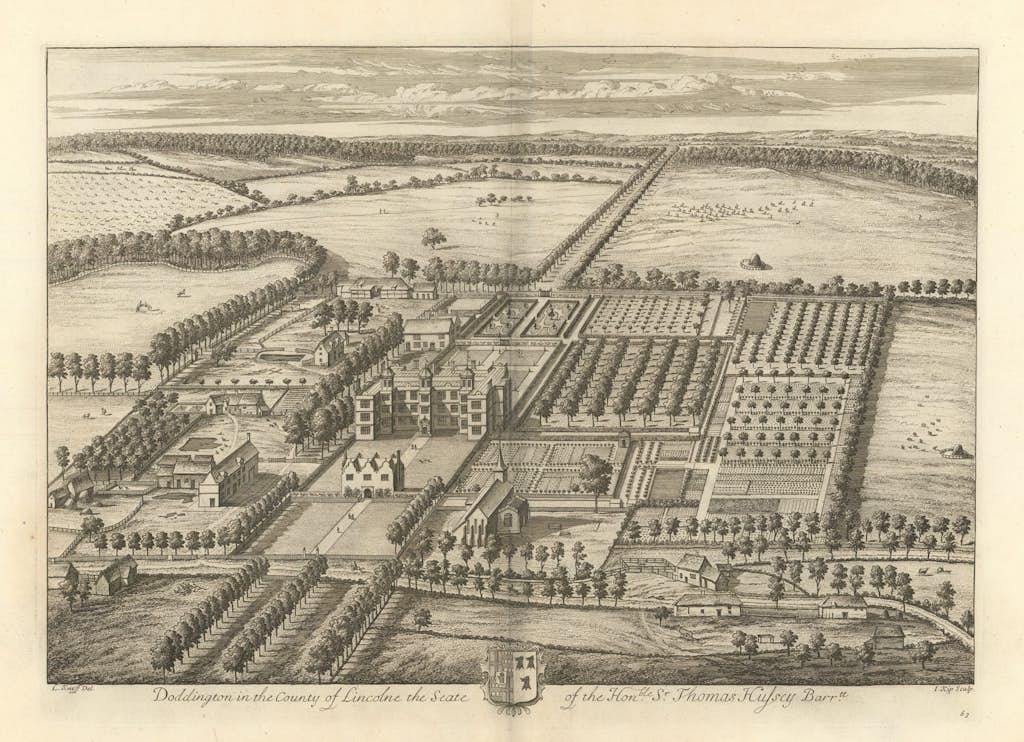
For a grander scale, the 1984 edition of Britannia Illustrata by Leonard Knyff and Johannes Kip edited by John Harris and Gervase Jackson-Stop, is a more accessible edition of the seminal 1708–1713 volume of etchings of bird’s-eye views of country seats. It is indispensable for those seeking historic proportions to lay out a formal estate with vistas, parterres, bosquets, lakes, pillow mounds and all the trimmings in the grand British style.
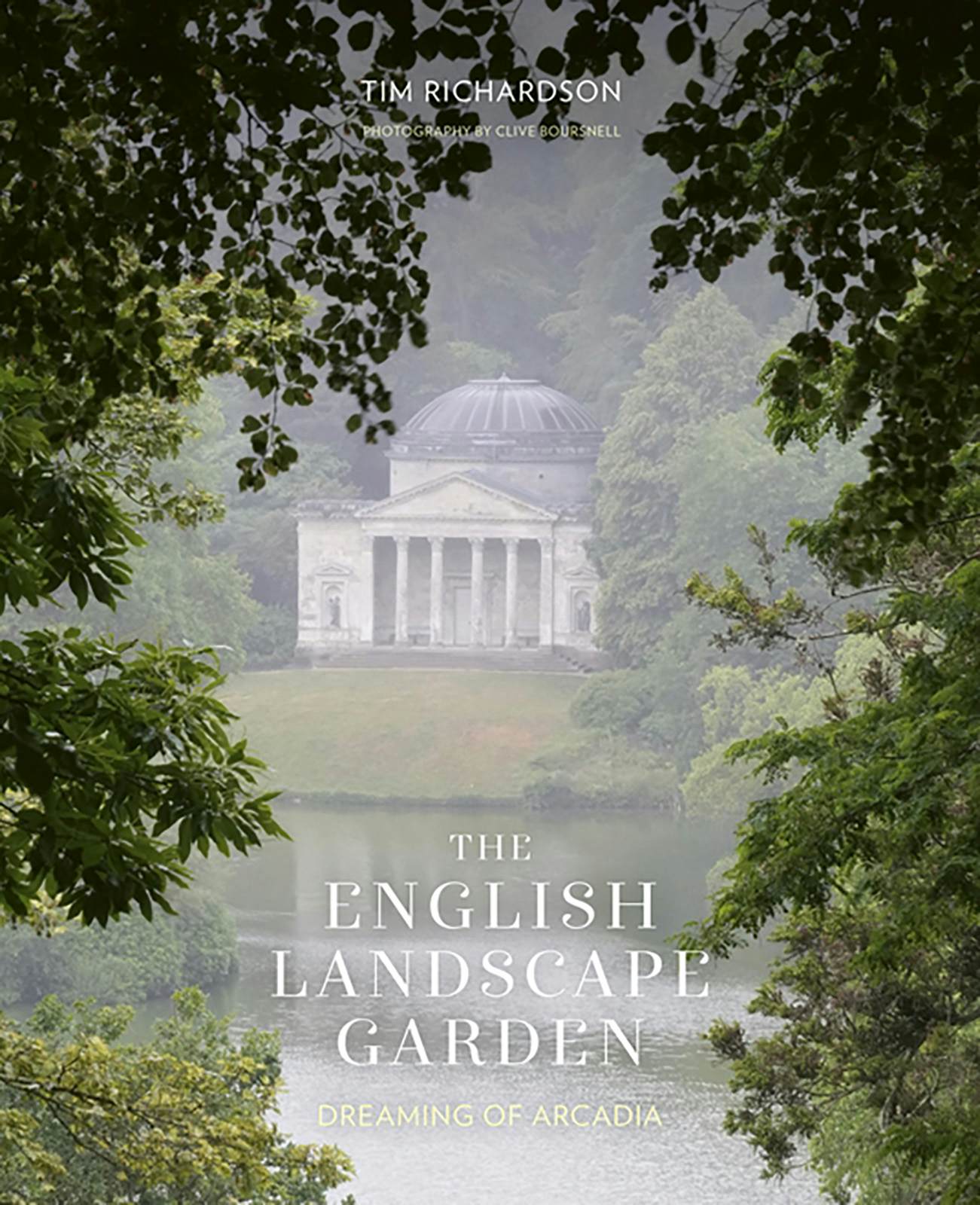
Moving to modern books with historic inspiration, Tim Richardson’s recently released The English Landscape Garden, published by Frances Lincoln, celebrates this quintessentially English creation, taking one on a tour of 20 of the finest surviving 18th century gardens, with beautiful new photographs by Clive Boursnell.
Although his previous book Arcadian Friends is probably still my all-time favourite for sheer readability, verve and breadth of knowledge shared, this doubles up as a visually stunning book to share. Also spotted in John Sandoe is Geoffrey Jellicoe’s classic Landscape of Man (1995) — sadly out of print, but surely only pending a revival of this most inspiring of reference books for global historic landscape layout and the thoughts behind it.
For insightful books by current designers, Jinny Blom’s What Makes a Garden (Frances Lincoln) is characteristically thoughtful from this doyenne of landscape design, as well as being a beautiful large format coffee table book.
It journeys from graffiti-painted Brixton, where everyone “was always skint”, to Italian palaces where she commissions exquisite works of craftsmanship, all through her quirky lens of pragmatism, scientific curiosity and creativity.
Jinny has a long-term interest in psychology; if this is your bent, David Abram’s The Spell of the Sensuous (Vintage books 1997) is a constantly relevant classic whose wisdom has hit the current zeitgeist in books and exhibitions like the recent More than Human at the Design Museum.
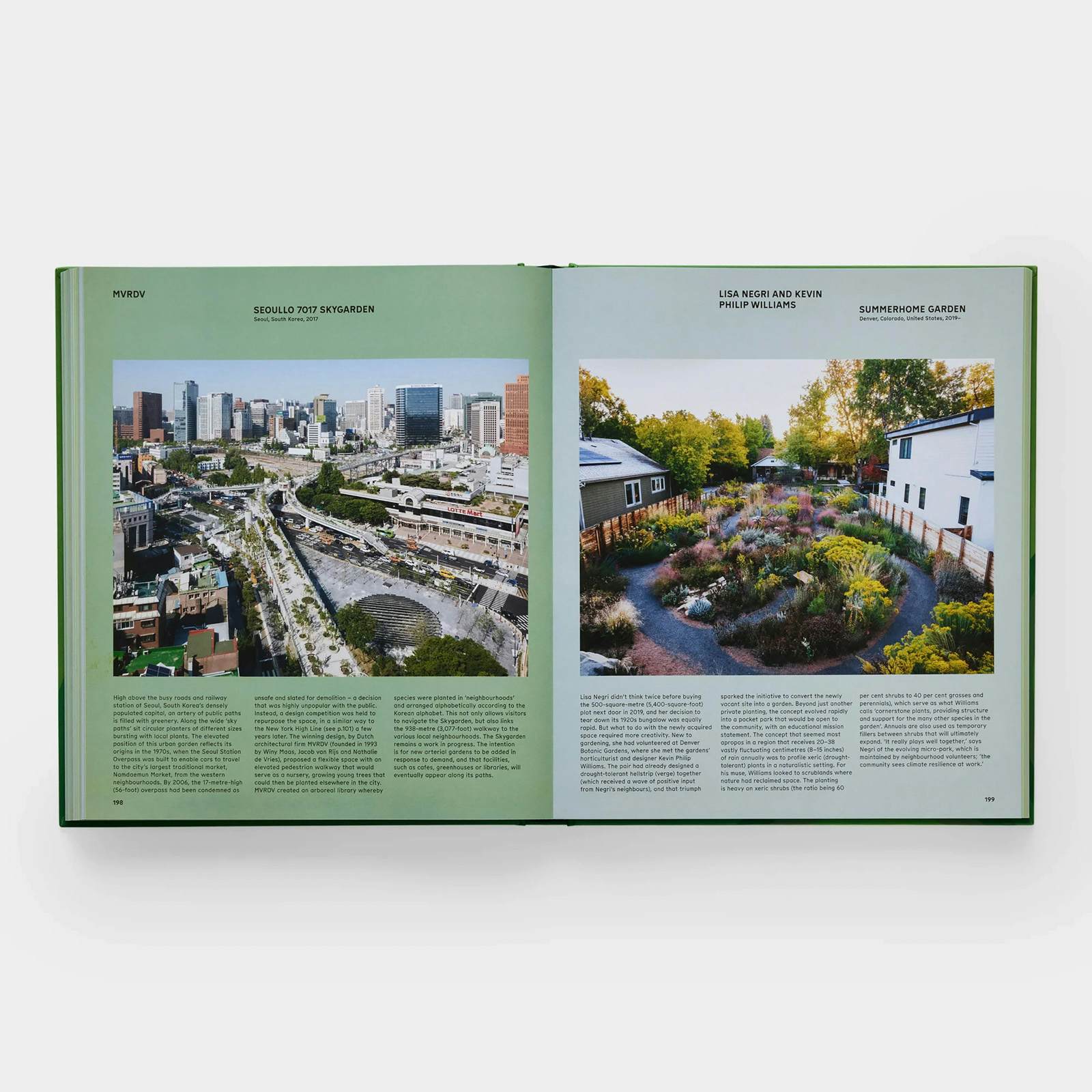
The more-than-coffee-table book of the year may go to Phaidon Press’s The Contemporary Garden by Annie Guilfoyle, Sorrel Everton and Tovah Martin. Covering 300 of the most beautiful recently-designed gardens, in large format with stunning photography, this tome will inspire and delight gardeners and designers alike as it explains each garden in its architectural, ecological and cultural expression.
For lovers of nature who might not be gardeners per se, Harriet Rix’s book The Genius of Trees, published by Vintage, is a contender for best new entrant and future classic of the year for 2025. Her debut book shows how trees have “woven the world into a place of great beauty and extraordinary variety”, influencing animals, water, soil, fire, air and humans ourselves.
Harriet’s own genius is her ability to weave scientific fact with great storytelling. From working at the Tree Council to clearing landmines in the Middle East, her knowledge, courage and conviction shines through every page.
For my part, having in Johnson’s phrase “turned over half a library to write one book”, The Kindest Garden (Frances Lincoln), the pile beside my own bed is currently solely for pleasure.
Top of my Christmas list is Mary Keen’s Diary of a Keen Gardener, published by John Murray.
A wise and gentle guide of a book, it takes you through a year of delightful close observations of her own garden, sharing practical knowledge and valuable philosophy. Like the best classics it welcomes one into the “community of those who grow”, since as she reminds us, taking care of the “oikos” in ecology must necessarily begin at home.