The Titanic, Sinclair C5 and Fyre Festival all started as bright, optimistic ideas which drew in astounding levels of excitement. Yet now, they all have one thing in common: abject failure.
The ‘unsinkable’ sunken ship, largely ignored electric tricycle and flop of a fiesta might all be consigned to history – but for a novel exhibition which looks to jettison the failures of yesterday into the lessons of tomorrow.
Dr Samuel West, founder of the Museum of Failure, is looking to change how society thinks about failure, to show it as a ‘universal and necessary part of innovation and learning’.
And now he is bringing his travelling exhibition home to the UK, where visitors will be able to marvel at everything from Snapchat spectacles to the Nintendo power glove and Tesla Cybertruck.
‘I’ve travelled all over the world with the museum but I’ve always wanted to bring it back home because of our black humour and our support of the underdog,’ Dr West told The Guardian.
Although a venue and opening date have not yet been confirmed, fans will soon be able to see everything from failed cars to disappointing gadgets, flawed ideas and AI disasters.
The exhibition contains many British concepts including the Titanic, Sinclair C5, The Body Shop, Dyson’s Zone headphones and even the NHS’s national IT system.
The Titanic famously sunk on its maiden voyage from the UK to America in 1912 after striking an iceberg, while the three-wheeled sit-on tricycle from Sinclair failed to take off due to a combination of safety concerns and skepticism over electric vehicles.
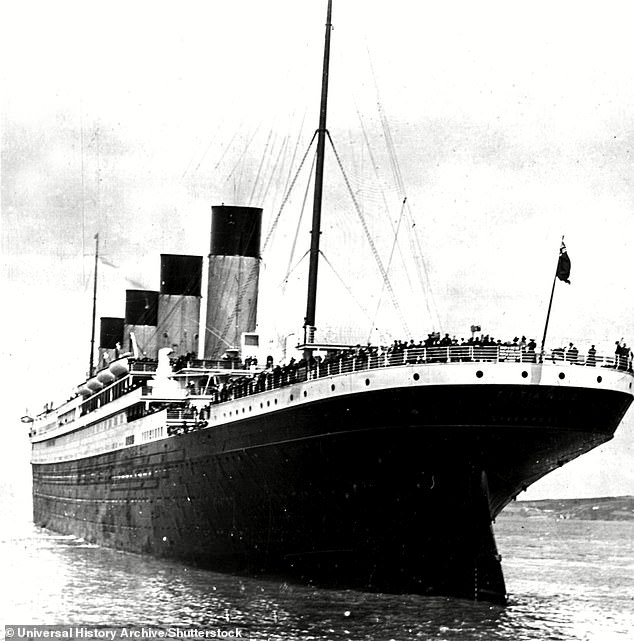
The Titanic was billed as ‘unsinkable’ before its disastrous maiden voyage in 1912, which saw it strike an iceberg and sink, killing more than 1,500 people
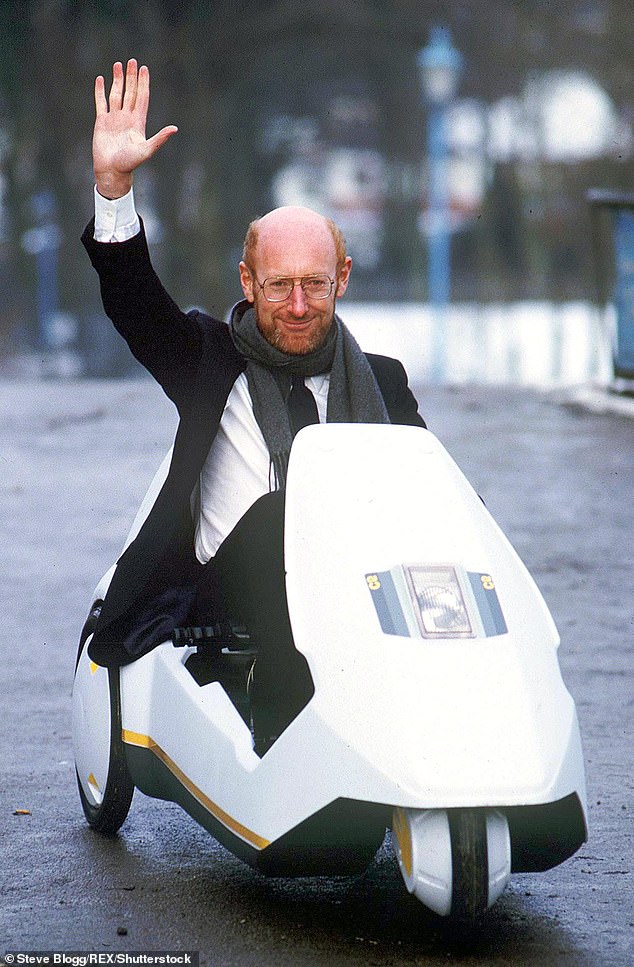
Inventor Sir Clive Sinclair unveiled his Sinclair C5 electric tricycle in 1985, but it failed to take off

The Fyre Festival was billed as a luxury music festival but guests were shocked to discover soaked mattresses and catering consisting largely of cheese sandwiches on arrival
Meanwhile the Fyre festival was billed as a luxury music festival in the Bahamas in 2017, and was advertised by a host of celebrities and influencers.
However, when attendees – who paid up to £75,000 each – arrived, they were faced with mattresses on soaked floors, being fed on cheese sandwiches and having their luggage abandoned in a car park.
But perhaps most interesting to many visitors will be the designs that, while ultimately failing, paved the way for some of the greatest innovations of the last century.
Among these treasured items are the Apple Newton, which was the forefather of the iPhone, and Google Glass, which was among the first in a now successful range of wearable items that augment reality.
Innovator Ben Strutt, who specialises in turning failures into success, told the paper the exhibition is designed to change attitudes towards those ideas that don’t succeed.
Pointing out that 42 per cent of start-ups end in failure, he said many products often ultimately die out not due to the inherent nature of the items themselves, but simply because something better comes along – such as the transition from VHS tapes.
Founder Dr West added: ‘I want to reframe failure and show it is a universal and necessary part of innovation and learning.
‘The museum’s message is that we need to take bold meaningful risks to solve the largest problems of our times, environmental, social, economical. If we continue to glorify success and stigmatise failure we will not be able to experiment with and explore the solutions that we need.’
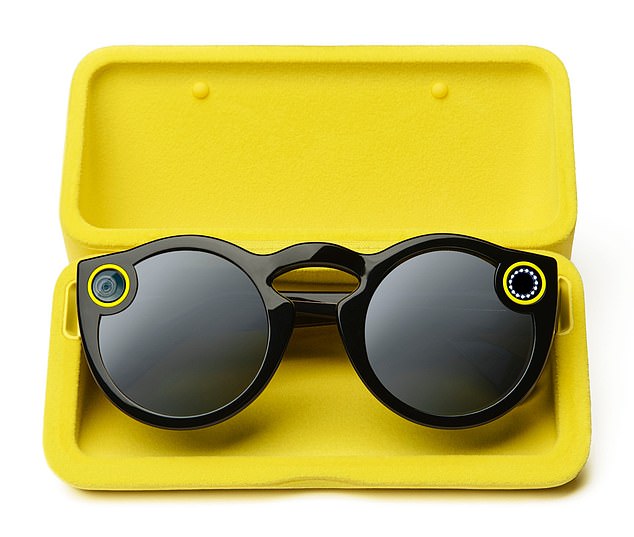
The Snapchat spectacles are just one example of dozens of products by major firms to fall flat that are featured in the Museum of Failure
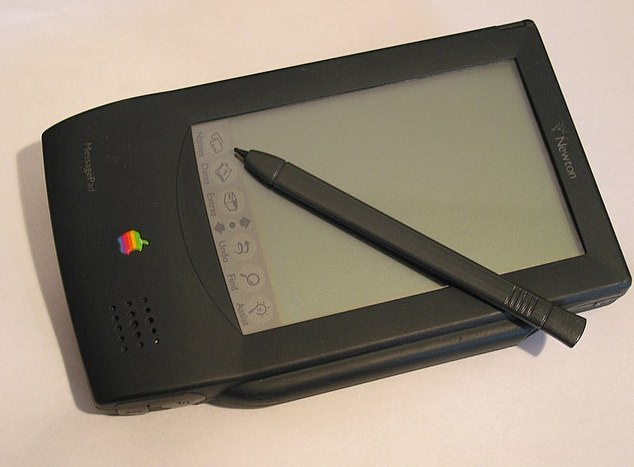
Some products paved the way for greater successes, such as the Apple Newton messenger pad, which led to the evolution of the iPhone
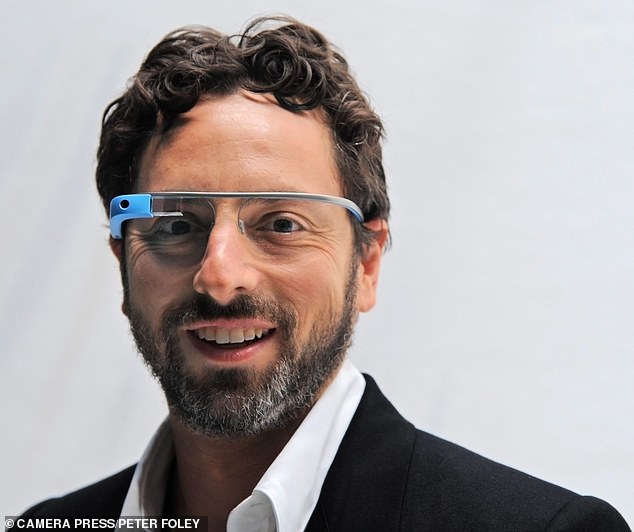
Co-founder of Google Sergey Brin models Google glasses
But he also acknowledged that while failure can be a learning curve, it can also have darkly serious consequences for some, depending on a person’s culture, financial and family circumstances.
The exhibition is currently in Paris, France but has already travelled all over the world.
It has had mixed receptions, according to Dr West, with Americans treating it as a joke while South Koreans struggled to understand the concept of celebrating failures.
The man behind the collection hopes the reception will be somewhat more nuanced when it returns to the UK.