CASES of highly contagious norovirus have been rising in the leadup to Christmas, health bosses say.
Infections are being fuelled by a subvariant – called GII.4 – which is thought to cause more severe illness in children, according to studies.
It comes after health officials in the US flagged a huge climb in norovirus cases ahead of Christmas, driven by a new subvariant dubbed GII.17 – which has also been spotted in the UK.
Infections have been particularly high in California, though other states have seen a rise too.
Speaking to the Los Angeles Times, doctors said the strain could make even more people sick this season.
Dr Peter Chin-Hong, an infectious diseases expert at UC San Francisco, explained: “If your immune system isn’t used to something that comes around, a lot of people get infected.”

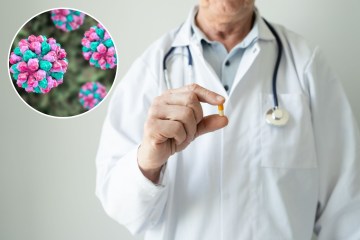
GII.17 is also circulating in England, reports from the UK Health Security Agency (UKHSA) show.
Samples of positive norovirus tests show it’s the second most dominant genotype, accounting for 19.5 per cent of cases.
Meanwhile, GII.4 was identified in 31.1 per cent of positive norovirus samples.
The subvariant has been circulating widely across the globe for several years, as is typically the most common strain detected in the UK during winter.
Research from 2011 suggested it was “associated with longer duration of diarrhoea and vomiting than other norovirus genotypes” and may cause “more severe disease” in young children.
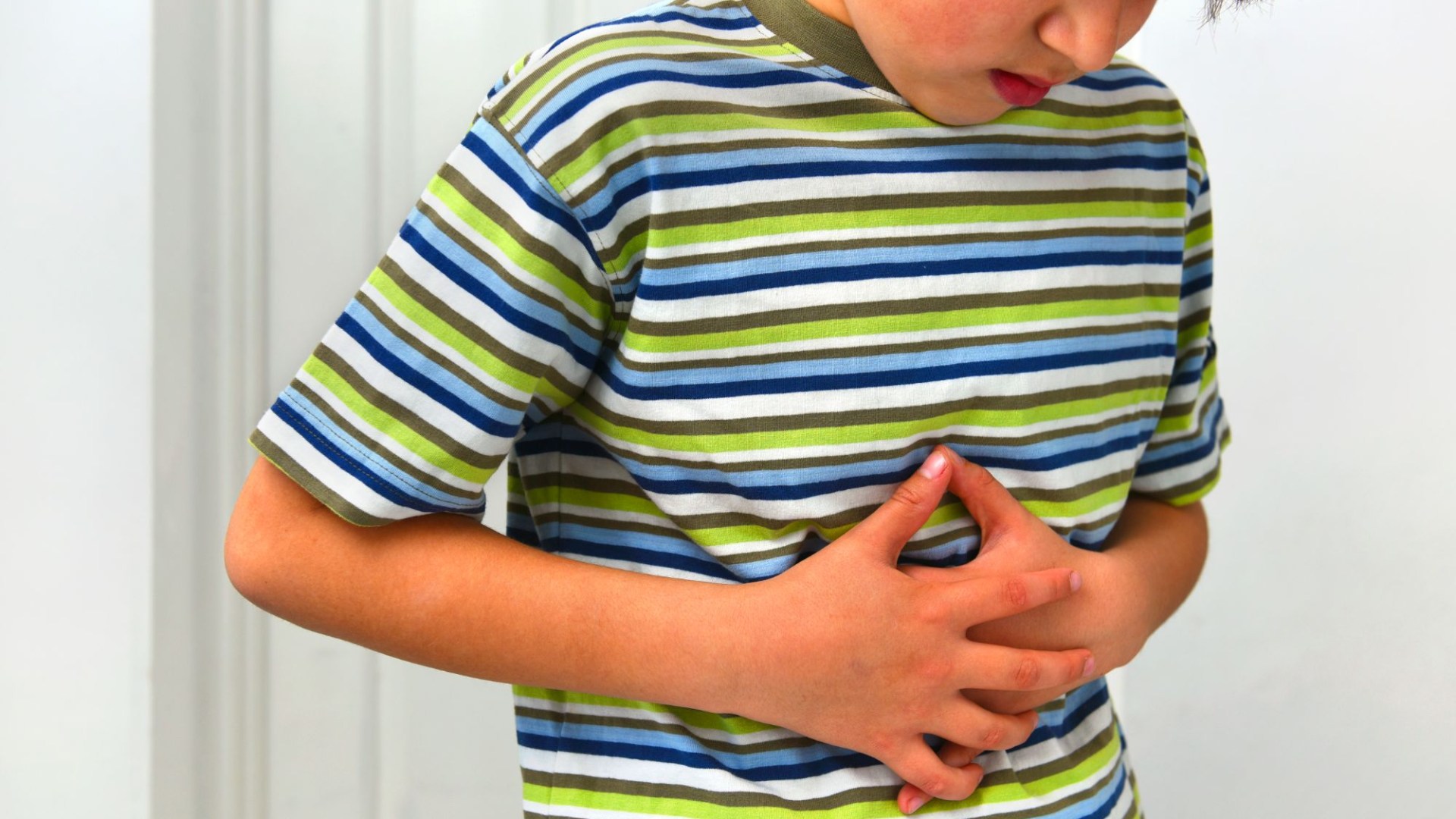
Norovirus can strike suddenly, causing intense bouts of vomiting and diarrhoea.
The bug is highly contagious and can quickly spread through contact with infected people as well as eating food prepared by someone with the bug – which can be an issue over the festive period.
Norovirus cases in England remained relatively low this autumn as the country grappled with an earlier than usual surge in flu cases, which were driven by a mutated variant called H3N2.
They’ve seen an uptick “in recent weeks”, according to UKHSA – though the watchdog stated “activity remains within expected levels”.
Laboratory reports of the bug rose by 29.8 per cent between November 24 and December 7, data showed, but this was “comparable” to the number of cases usually seen at this time of year.
There were a total of 466 positive tests of the bug in that two week period.
Hannah Charles, lead epidemiologist at UKHSA, told Sun Health: “Norovirus has increased recently but remains within expected levels.
“At the moment, the highest rate of cases are in children and people aged over 65.”
According to UKHSA, there is limited information on whether GII.17 or GII.4 leads to more severe illness, but the health watchdog is working to understand this further.
GII.17 first began gaining ground in the US and Europe in April last year, becoming “the most commonly detected norovirus genotype” of the season, UKHSA said in its most recent report.
“However, since early 2025 detections of GII.4 have been increasing,” it added.
“During the 2025/2026 season, GII.4 and GII.17 have co-circulated but in recent weeks GII.4 has emerged as the predominant genotype.“
But across the pond, GII.17 has been wreaking havoc – with norovirus cases surging substantially in San Francisco and Los Angeles, as reported by Axios.
Michigan, New Jersey and North Carolina have seen an uptick in cases, too.
Stay safe from norovirus
In the UK, health officials issued a “48 hour warning” to parents last month as the bug began to infect more young children.
They urged parents to keep children off school or nursery until two days after symptoms stop.
Hannah said: “With the festive season upon us, it’s important to remember the simple steps we can take to prevent the spread of norovirus.
“If your child has any symptoms, keep them off school or nursery until 48 hours after their symptoms stop.
“If you’re unwell, don’t visit hospitals and care homes to prevent spreading the infection to older and vulnerable people and don’t go to work or prepare food for others until 48 hours after your symptoms end.
“Washing your hands with soap and warm water and using bleach-based products to clean surfaces will also help stop infections from spreading.
“Hand sanitiser does not kill norovirus, so don’t rely on it alone.”
Though intensely miserable, norovirus is relatively short-lived, only lasting two to three days.
Most people with norovirus will recover at home without needing to visit a doctor.
Symptoms, like nausea, vomiting, and diarrhoea, generally go away on their own.
The NHS recommends rest, staying hydrated, and taking paracetamol for any fever or body aches.
Rehydration drinks like Dioralyte, which replenishes both salts and fluids, can be bought over the counter.
However, people with weakened immune systems such as elderly people, children and immunocompromised people, are at risk of suffering with the illness for longer and may require medical attention.
You should call 999 or go to A&E if you have signs such as vomit that looks like ground coffee, has blood or is green or yellow, a stiff neck or blotchy skin.
When to call 111 and 999 for norovirus
NOROVIRUS usually goes away on its own after a couple of days and doesn’t require medical attention.
But you might need to speak to a doctor if:
- You’re worried about your baby who is younger than 12 months
- Your child stops breast or bottle feeding while they’re ill
- You think your child under five might be dehydrated – signs could include fewer wet nappies
- You’ve used rehydration sachets but still have signs of dehydration
- You or your child keep being sick and can’t keep fluids down
- You or your child have bloody diarrhoea or start bleeding from the bottom
- You or your child have diarrhoea for more than seven days or are vomiting for more than two days
And if you spot any of the following signs, it’s vital to seek urgent care:
- Blood in your vomit
- Vomit that looks like ground coffee
- Green vomit (adults) or yellow-green vomit (children)
- A stiff neck
- Pain when looking at bright lights
- A sudden, severe headache or stomach ache