Sir Keir Starmer is weighing up an Australian-style social media ban for children aged under 16.
The Labour Prime Minister previously said he was ‘personally’ against the ban for teenagers but is understood to be ‘closely monitoring’ the policy.
The world-first law was introduced on December 10 by Australian Prime Minister Anthony Albanese and sees under 16s barred from Facebook, Instagram, Kick, Reddit, Snapchat, Threads, TikTok, X, YouTube and Twitch.
The social media platforms face fines of up to £25million if they fail to take reasonable steps to remove children’s accounts.
Earlier this month, the Prime Minister said ‘it’s more about how you control content children can see’ as he appeared to rule out introducing the scheme.
But Health Secretary Wes Streeting challenged his party to ‘think much more radically’ about online safety restrictions with social media now a ‘place of bullying, intimidation, sometimes misogyny, even radicalisation’.
Cultural Secretary Lisa Nandy last week admitted the Government were considering the ban but had concerns over ‘enforceability’.
Downing Street is now said to be ‘closely monitoring’ the policy.
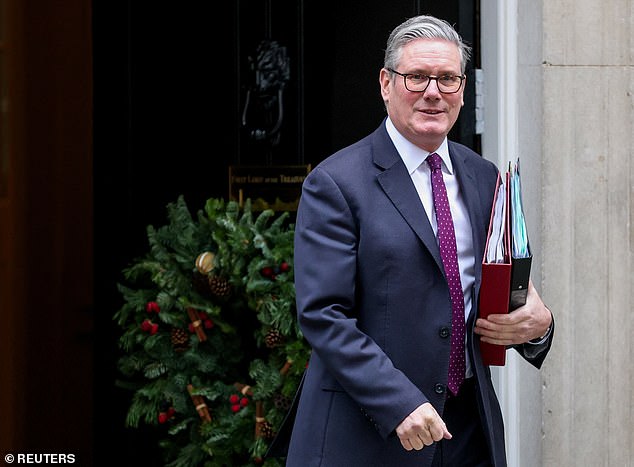
Sir Keir Starmer is weighing up an Australian-style social media ban for children aged under 16
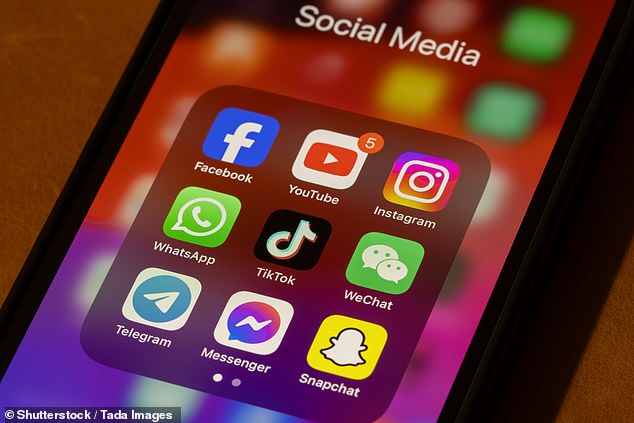
Australia became the first country in the world to ban social media for children with sites ordered to take steps to prevent under 16s accessing accounts
Discussions have begun between Sir Keir and Liz Kendall, the Technology Secretary, about introducing a similar law if the Australian ban proves successful, according to The Telegraph.
A Government spokesperson said: ‘We understand parents’ concerns about the impact of social media on children, which is why we’ve taken some of the boldest steps globally to ensure online content is genuinely age-appropriate.
‘It’s important we protect children while letting them benefit safely from the digital world, without cutting off essential services or isolating the most vulnerable.
‘The Government is closely monitoring Australia’s approach to age restrictions. When it comes to children’s safety, nothing is off the table, but any action must be based on robust evidence.’
Mr Streeting on Sunday said children are able to access ‘the most extreme content’ and contrasted it to the difficulty he faced trying to get into a 15 or 18-rated film at the cinema as a child.
Social media is becoming more ‘anti-social media’, he added. ‘That’s why I think what Australia’s doing is interesting and we should follow the results closely and see if that’s something we should consider doing here.’
Ms Nandy added: ‘We’re obviously keeping a very close eye on the way that this is playing out in Australia because we know that young people are really struggling with the amount of time that they spend online and what is happening to them online.’
Ms Kendall, who is in talks with the Prime Minister over the policy, has previously signalled her opposition to the ban.
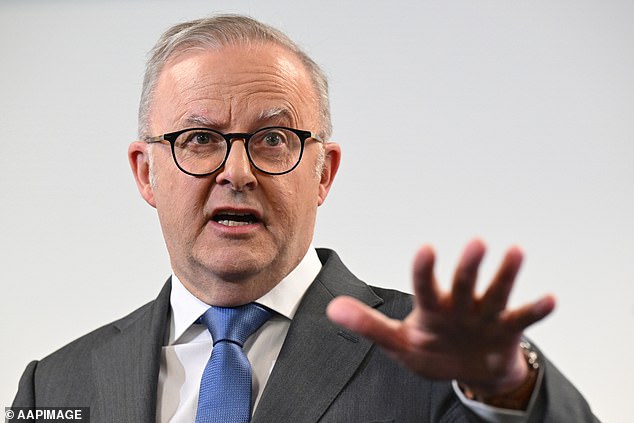
Australian prime minister Anthony Albanese described the social media ban as ‘one of the biggest social and cultural changes our nation has faced’
Earlier this month, at a House of Commons select committee, she said there was ‘really important balance to be struck’ between helping children deal with the online world ‘while making sure that they do not face harmful content’.
‘I am not currently in favour of a ban on smartphones until 16. It is good they are not at school and there is more we have to do to help kids deal with it.
‘I am worried about chatbots and I am worried about sleep. If you said, ‘nothing until you are 16’, then how are they going to cope? That is how I am thinking about it.
Albanese described the social media ban as ‘one of the biggest social and cultural changes our nation has faced’.
‘It is profound reform which will be a source of national pride in years to come,’ he added.