A GP who once ‘reversed’ his biological age by 14 years has revealed the important steps anyone above the age of 30 should take to prolong their lifespan.
Dr Mohammed Enayat, 41, the founder of longevity clinic HUM2N in South Kensington, said that a person’s 30s and 40s are the ‘make-or-break’ years to determine how well they will age, and to prevent diseases.
Although it may seem harmless to smoke a couple of cigarettes a week, have a weekly pint with colleagues, or treat yourself to junk food at the weekend, all of these little bad habits could soon catch up with you as you mature.
And by the time you’ve noticed changes in your body a decade or two later, the underlying damage may often already be done.
Instead, the biohacker, who claims he once managed to get his biological age down to 24 when he was 38, says adopting healthy habits in midlife, along with limiting alcohol consumption and smoking, can ‘dramatically lower the risk of premature heart disease, stroke and cancer‘.
These include maintaining a healthy sleep routine, adopting a ‘Mediterranean-style diet’ focusing on whole foods, and focusing on specific types of exercises to help as you age.
Even those who work a 9-5 desk job can take note by building in walks to and from work, or taking the stairs instead of the lift.
Dr Enayat told the Daily Mail: ‘Once you pass 40, the risk of several chronic health conditions gradually increases, not because the body “fails”, but because biological wear and tear begins to accumulate. This decade is essentially the “make-or-break” period that determines how well you’ll age.
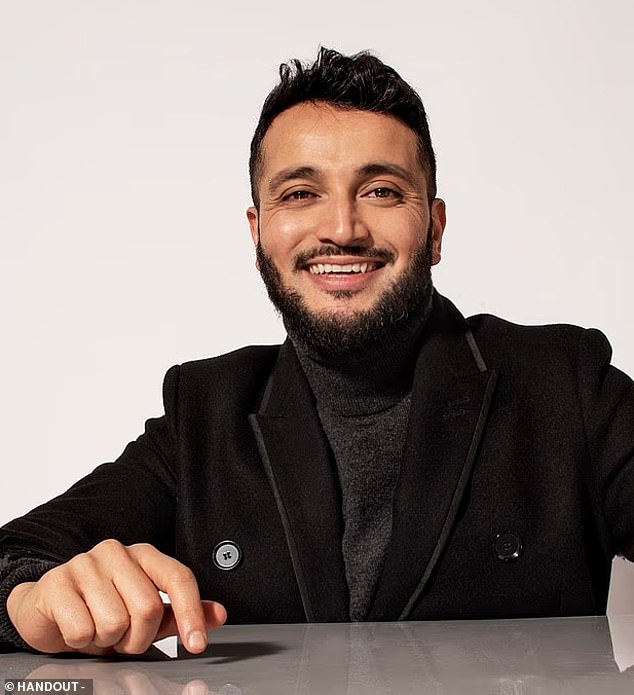
Dr Mohammed Enayat, 41, said adopting healthy habits in midlife can ‘dramatically lower the risk of premature heart disease, stroke and cancer’
‘The reason prevention becomes so crucial at this age is that most diseases that cause problems in our 60s and 70s begin quietly in our 30s and 40s.’
The first step, he says, is to get to know your body – from the inside out.
Getting regular check-ups for your blood pressure, cholesterol, and blood sugar, along with measuring your weight and waist circumference, can make you aware of any warning signs of disease before they progress.
Next, he said to go to any screening tests you may be putting off, from mammograms, cervical smears and bowel cancer tests to a prostate check, because early detection of health problems can ‘improve outcomes’.
Dr Enayat said: ‘People who maintain good sleep, regular physical activity, a nutritious diet, stable weight and stress management tend to gain many additional years of life free from disease.
‘In other words, your 40s are the perfect time to build a foundation for long-term health, resilience and longevity.’
Mental health can also become more fragile as older individuals move up the career ladder, take on family responsibilities and undergo hormonal changes, so it’s important to make sure you’re looking after yourself in this respect too.
‘Even the senses, vision, hearing and balance, begin to decline slowly,’ he said. ‘These risks aren’t inevitable outcomes, but probabilities that increase without proactive care.’
Join the debate
Are we too quick to dismiss “small” unhealthy habits in our 30s and 40s as harmless?
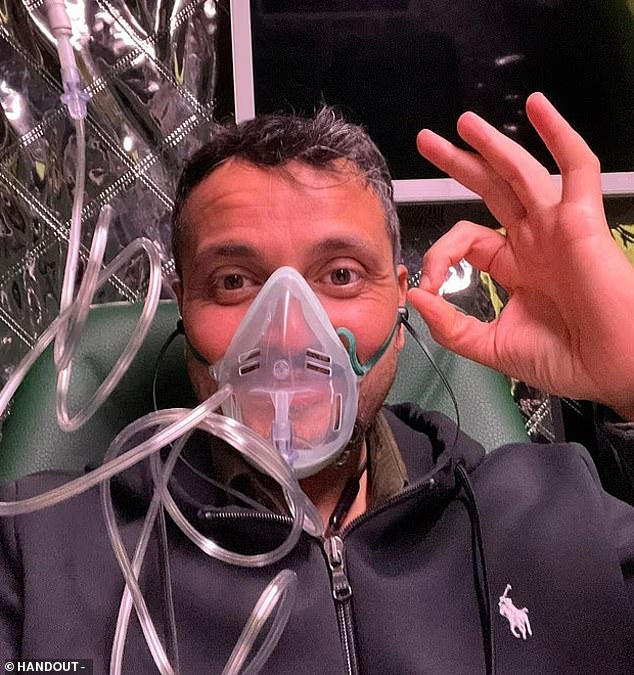
Dr Enayat said that you must move your body often, eat mostly whole foods and prioritise your sleep so you can properly recover
Dr Enayat said that you must move your body often, eat mostly whole foods and prioritise your sleep so you can properly recover.
‘Poor sleep disrupts immunity, weight regulation, mood and cardiovascular health,’ he added.
‘Managing stress, through mindfulness, community, hobbies or therapy, becomes indispensable at this stage of life because chronic stress accelerates biological ageing.’
If you work a desk job, Dr Enayat said that you can still build a highly effective longevity routine by integrating movement into the day.
‘Walking part of the commute, taking the stairs instead of the lifts, parking further away or getting off public transport one stop earlier can add thousands of steps weekly with minimal effort,’ he said.
You can also get an adjustable standing desk or take standing or stretching breaks to help combat hours of sitting down.
‘Many office workers benefit from short micro-workouts such as five to ten-minute bodyweight sessions before or after work,’ he added.
Prepping lunches and healthy snacks in advance can also make all the difference to someone’s health, rather than relying on highly processed foods from the vending machines or convenient takeaways.
Dr Enayat recommends a Mediterranean-style diet, which tends to be rich in vegetables, fruits, whole grains, beans, lentils, nuts, seeds, olive oil and fish, with moderate amounts of dairy and poultry.
‘This approach naturally lowers inflammation, stabilises blood sugar, improves cholesterol and supports gut health,’ he said.
‘Around half your plate ideally comes from vegetables and fruit, with the rest split between whole grains and lean protein sources.
‘Red and processed meats, sugary snacks, sweetened drinks and highly processed foods are best kept to occasional use, as they contribute to inflammation, weight gain and metabolic problems.’
Staying hydrated, limiting alcohol, reducing excess salt and avoiding overeating late at night are also just as important as eating a whole foods diet.
‘Staying hydrated, getting natural light in the morning and stepping outside during lunch breaks also helps regulate energy and mood,’ he said.
‘The key is consistency rather than intensity; busy people can age very well if they build health into the rhythm of the day.’
Dr Enayat said that the ideal exercise routine for those aged 40 and over combines three components: cardiovascular activity, strength training and mobility or balance work.
‘Cardio strengthens the heart and lungs and reduces the risk of diabetes, strokes and dementia,’ he said. ‘This can be brisk walking, swimming, cycling, running or dancing, anything that keeps you slightly breathless but comfortable.
‘Strength training becomes especially important after 40 because it preserves muscle mass, improves bone density, enhances balance and keeps your metabolism active. This might involve gym weights, resistance bands, home dumbbells or bodyweight exercises.’
Only two or three sessions a week are enough to make a ‘substantial difference’, according to the medic. He added that flexibility and balance exercises, such as yoga, Pilates or simple stretching, help counteract joint stiffness and reduce the risk of injury.
‘Even short, frequent movement snacks throughout the day, standing, stretching or walking for a few minutes, add up significantly,’ he said.
When you hit 40, Dr Enayat said that heart and blood vessel diseases become significantly more likely, including high blood pressure, coronary artery disease and strokes.
‘Cancer risk also rises steadily, with breast, bowel, cervical, prostate and skin cancers being the most notable,’ he said. ‘Metabolic issues such as type 2 diabetes and metabolic syndrome also become more prevalent, particularly in people who are sedentary or eat a typical Western diet.’
‘The bones, joints and muscles begin to naturally weaken, making osteoarthritis, back problems, osteoporosis and age-related muscle loss more common.’
Dr Enayat said that insulin resistance, bone thinning, chronic inflammation and arterial plaque build-up are all heavily influenced by the lifestyle you choose to lead in your younger years.
Although it may seem harmless to smoke a couple of cigarettes a week, have a weekly pint with colleagues or treat yourself to junk food at the weekend, all of these little bad habits soon catch up with you as you mature.
And by the time you’ve noticed changes in your body a decade or two later, the underlying damage is often already done.
‘The changes around 40 are usually subtle but meaningful,’ he said. ‘Metabolism naturally slows, largely due to a gradual loss of muscle mass, which means many people gain fat more easily despite eating or exercising the same way they always have.’
‘Recovery from late nights or intense exercise takes longer, and hormonal changes start to appear in both men and women.’