TODAY is the shortest day of the year as the Winter Solstice returns.
The Winter Solstice signals the exact time when half of Earth is tilted the farthest away from the Sun.
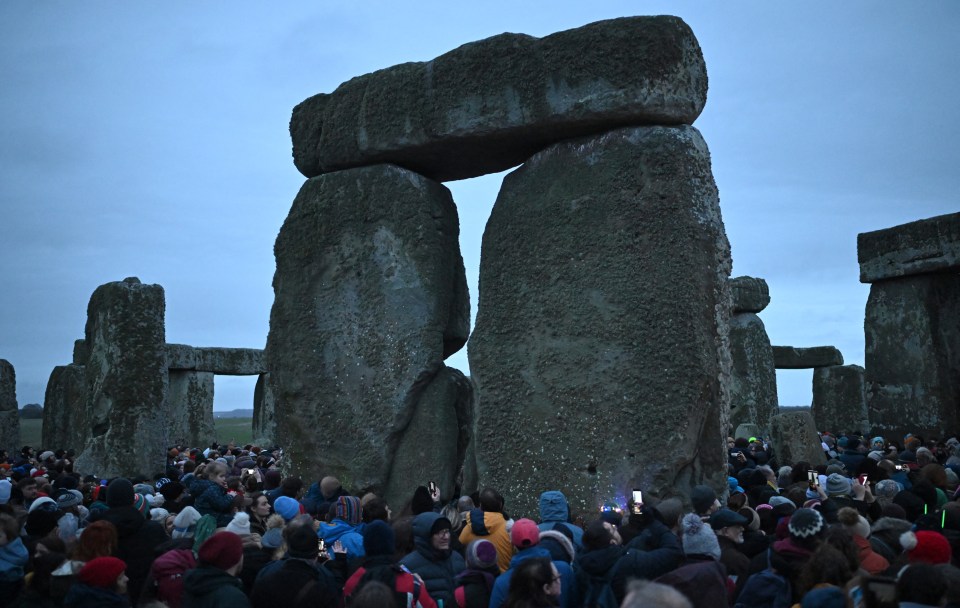
It means the northern hemisphere where we are gets a maximum amount of darkness.
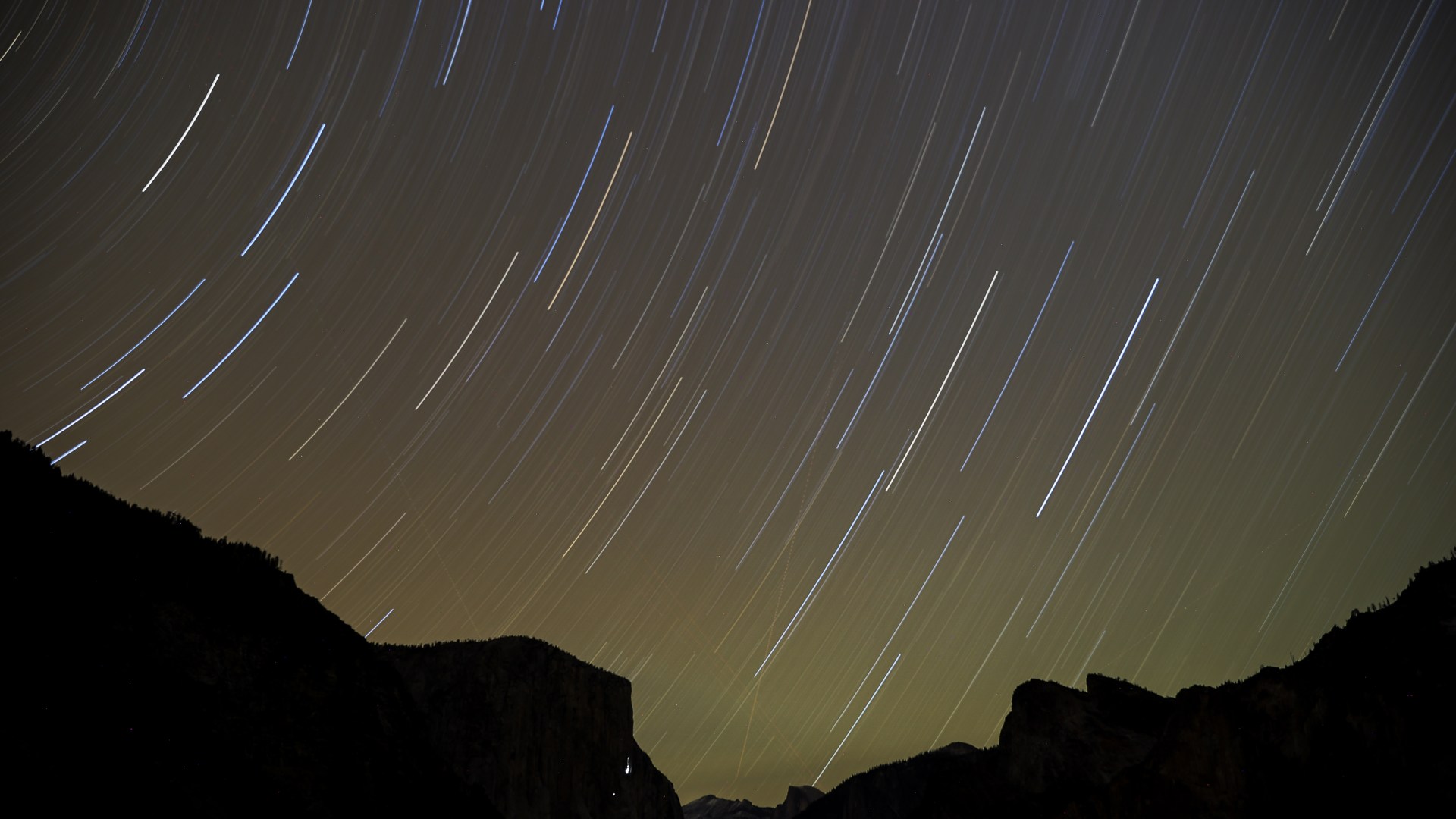
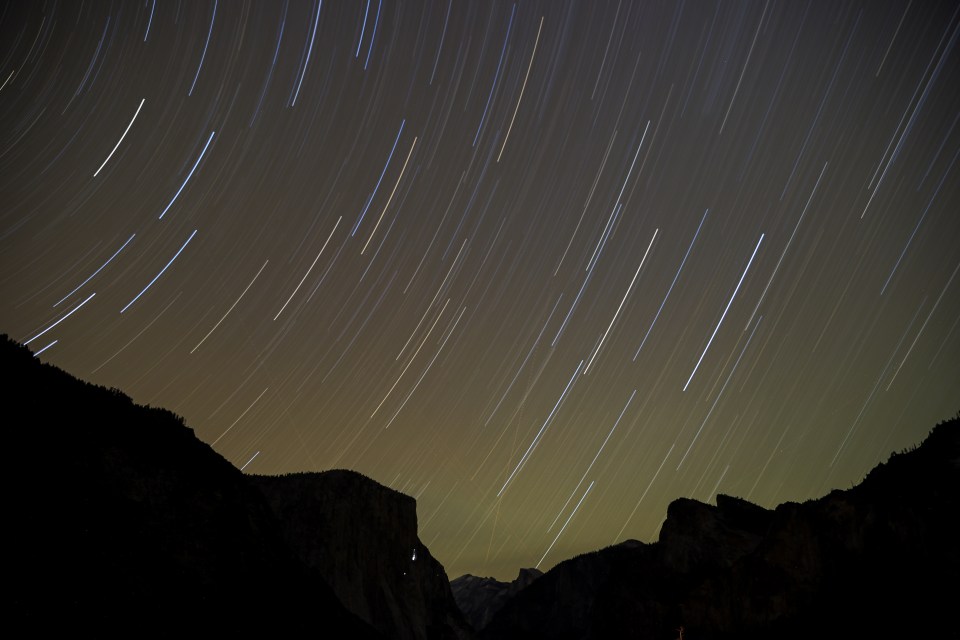
But it’s not all bad news if you’re a stargazer hoping to catch a glimpse of shooting stars.
The Winter Solstice tends to land on December 21 or 22.
This year it’s today at exactly 3.03pm GMT.

But the length of the dreaded shortest day varies depending on where you are located in the UK.
“For example, in London, the shortest day lasts about 7 hours, 49 minutes, and 42 seconds,” said Dr Shyam Balaji, an astrophysics expert at King’s College London.
Sign up for The Sun Tech newsletter for gadgets, games & more

Hello! I’m Sean Keach, The Sun’s Head of Technology and Science
I’ve been writing about gadgets, games and the future of technology for more than a decade.
During that time I’ve penned thousands of articles, filmed hundreds of videos, talked tech on TV and radio, and travelled around the world to bring you the latest on Apple, Meta, Google, Amazon, Netflix and more.
And I’ve got a weekly newsletter called The Sun Tech that you can read for free every Thursday.
I bring you the latest from the world of tech, including behind-the-scenes action, exclusive content, expert analysis, and plenty of help advice – so please follow along!
“The exact duration will differ based on how far north or south you are from the equator.
“After the December solstice, the days start to get longer in the Northern Hemisphere.”
But long nights aren’t all doom and gloom.
Skygazers have called it an “absolute gift” for a better chance of catching a meteor shower.
And there happens to be the Ursids meteor shower running at the same time.
“The Ursids meteor shower is caused by debris from Comet 8P/Tuttle,” Dr Shyam continued.
“As the Earth passes through the trail of debris left by this comet, the particles enter our atmosphere and burn up, creating the meteor shower.
“The Ursids are generally a sparse meteor shower, producing about 5-10 meteors per hour under ideal conditions.
“However, it has had notable outbursts in the past, such as in 1945 and 1986, when up to 100 meteors per hour were observed.
“This unpredictability keeps skywatchers interested.
“The best time to view the Ursids is during the predawn hours, with the shower active between December 17-26.
“Since the shower occurs around the winter solstice, you’ll have long nights and plenty of dark skies to enhance visibility.”
What’s the difference between an asteroid, meteor and comet?
Here’s what you need to know, according to Nasa…
- Asteroid: An asteroid is a small rocky body that orbits the Sun. Most are found in the asteroid belt (between Mars and Jupiter) but they can be found anywhere (including in a path that can impact Earth)
- Meteoroid: When two asteroids hit each other, the small chunks that break off are called meteoroids
- Meteor: If a meteoroid enters the Earth’s atmosphere, it begins to vapourise and then becomes a meteor. On Earth, it’ll look like a streak of light in the sky, because the rock is burning up
- Meteorite: If a meteoroid doesn’t vapourise completely and survives the trip through Earth’s atmosphere, it can land on the Earth. At that point, it becomes a meteorite
- Comet: Like asteroids, a comet orbits the Sun. However rather than being made mostly of rock, a comet contains lots of ice and gas, which can result in amazing tails forming behind them (thanks to the ice and dust vaporizing)