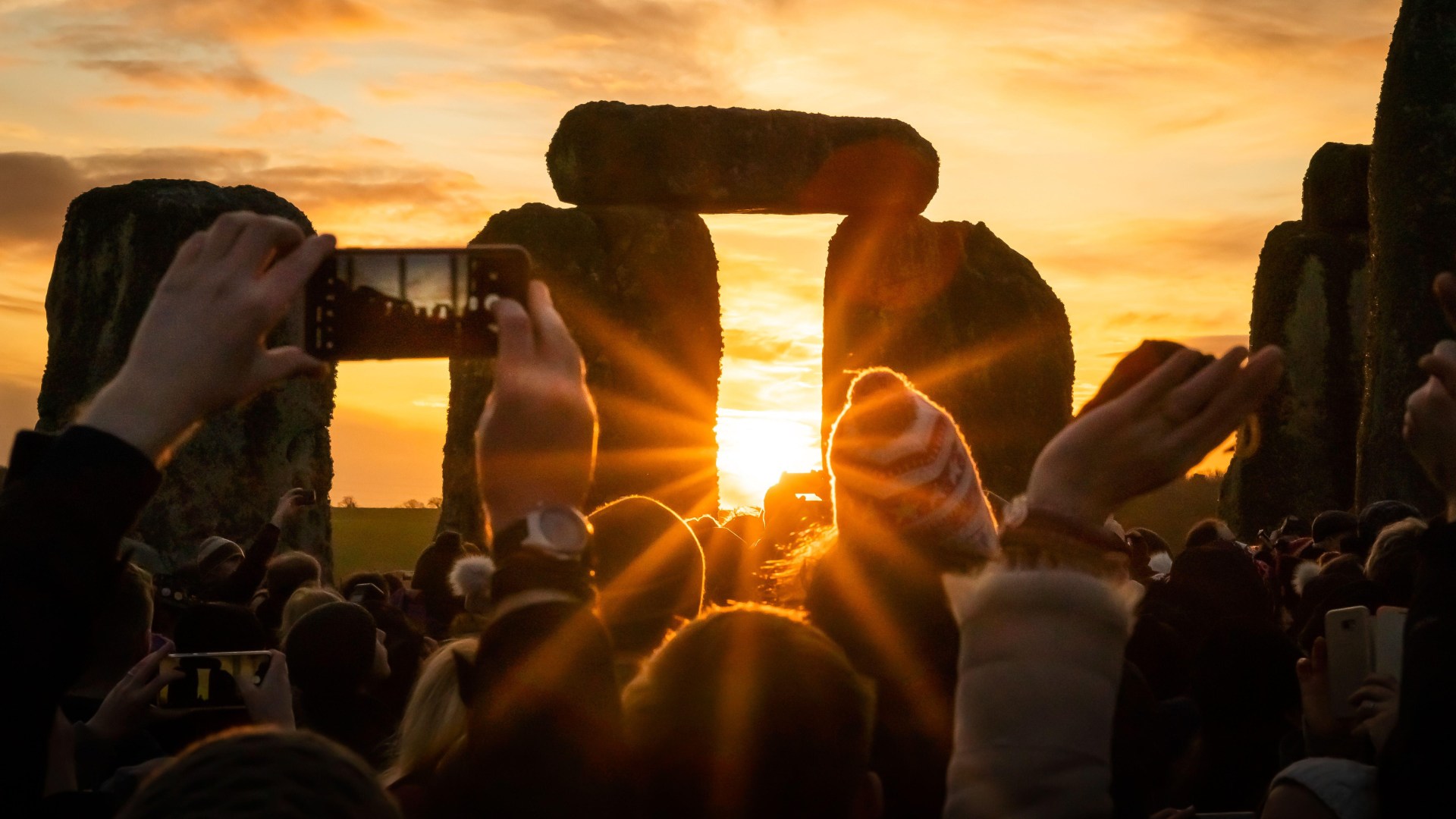
FOR the past six months, the days have been getting shorter and the nights longer, but that is about to reverse soon.
Sunday, December 21, marks the shortest day of 2025 — also known as the Winter Solstice.
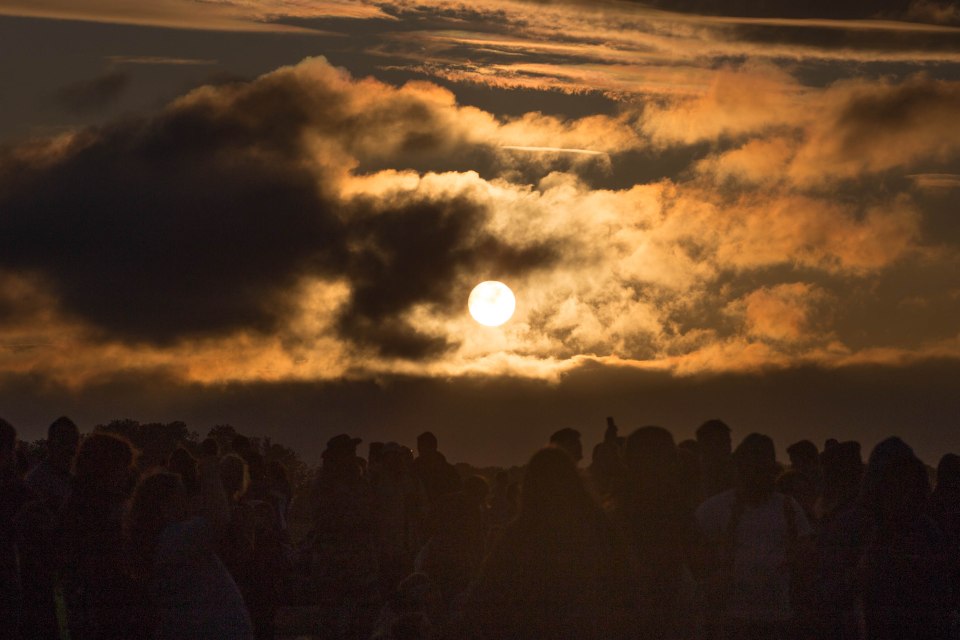
What time is sunset on the shortest day of the year 2025 and how many daylight hours are there?
This year’s Winter Solstice takes place on Sunday, December 21, at 3.03pm in the UK.
The number of daylight hours on the day is, of course, shorter than on other days of the year.
This year, the sun rises at 8.03am and sets at 3.03pm in the UK, providing locals with only seven hours of daylight — as opposed to the average of 16 hours in the summer.
What happens during a solstice?
A solstice is the moment when the Sun reaches its highest or lowest point in the sky for the year.

Because the Earth is tilted on its axis, the Sun does not stay in the same place every day.
During a solstice, the giant star appears to stand still at its furthers point north or south before it starts heading back toward the middle.
During Winter Solstice, the Sun is at its most southerly point, which means it travels the shortest path through the sky.
This creates the shortest day of the year with the least sunlight, marking the end of autumn and the start of winter in the Northern Hemisphere.
From then onwards, the days will be start becoming gradually longer and the nights shorter.
Some people gather in Glastonbury and Stonehenge to celebrate the occasion.
Anyone venturing outside this Sunday is advised to bring an umbrella, as light rain is expected, with the temperature around 8 degrees across the UK, according to the Met Office.
Why does the date and time of Winter Solstice change?
The shortest day of the year in the Northern Hemisphere always occurs in December, but its exact date and timing vary.
Although the shortest day of the year in the UK is on December 21 in 2025, some years this shifts to December 22, as it did in 2023.
This is because it takes 365.256 days for the Earth to orbit the Sun.
Therefore, the exact time the Sun is lowest in the sky shifts approximately six hours each year.
We also skip a day every four years — known as a leap year — which adjusts the timings.