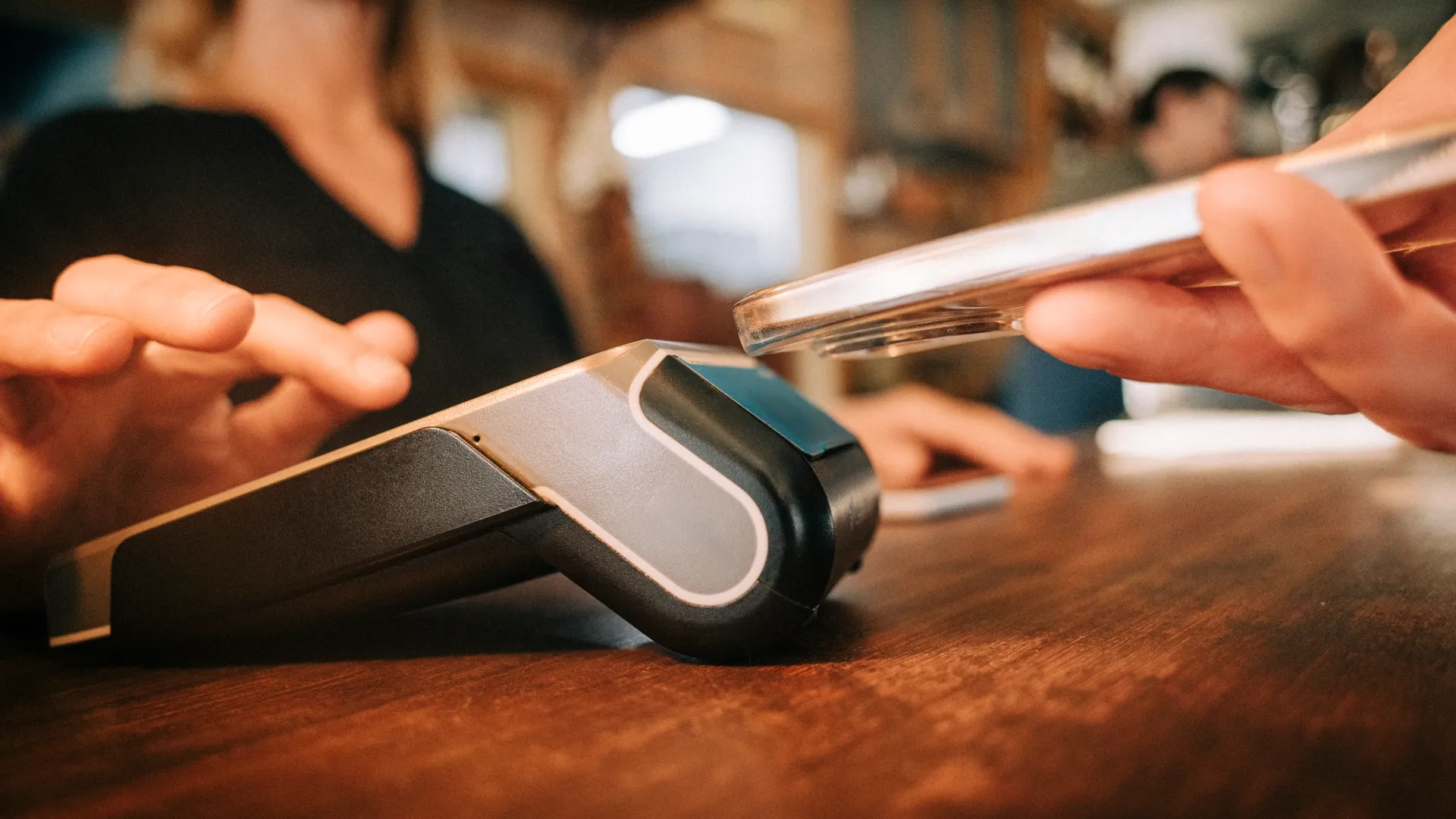
SHOPPERS will soon find it easier to pay bigger amounts using contactless, under the City regulator’s plans.
The current rules mean people can make payments of up to £100 per transaction when using physical contactless cards.
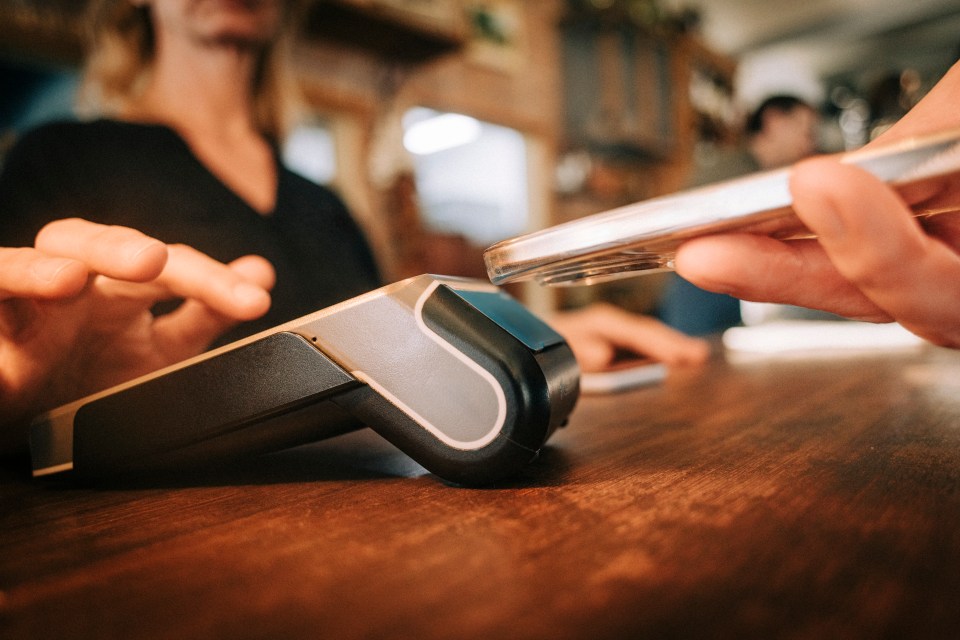
Under changes being made next year by the Financial Conduct Authority (FCA), banks and payment providers with strong fraud controls will be able to set their own limits.
The rule changes will take effect from March 19 and it will then be up to firms if and when they take up the flexibility to change their limits.
Those that do will need to communicate the changes clearly to their customers, the regulator said.
The aim is to allow firms to better respond to changing consumer demands, inflation and new technology.


Firms are also being encouraged to let customers set their own limit, or turn contactless off altogether, as many high street banks already do.
According to consumer spending data from Barclays, 94.6% of eligible in-store card transactions were contactless in 2024.
Last year, there were 10 times as many contactless transactions per month than there were in 2015, according to Barclays.
As well as a £100 limit for a single contactless card transaction, there is also a cumulative total of £300 in contactless transactions, or no more than five consecutive contactless transactions, since the last application of “strong customer authentication” to verify a payment was made.
Under the rule change, firms will also have the flexibility to consider changing the cumulative contactless approach if they want to.
The FCA believes the option of greater flexibilities will incentivise firms to step up their fraud prevention, giving consumers greater protection.