IF you have a side hustle, you face being up to £1,142 worse off due to a secret government tax grab, new data reveals.
Millions of people in the UK earn extra cash by starting side gigs, from dog walking to selling items on Vinted – but experts are warning their earnings are being “eroded”.

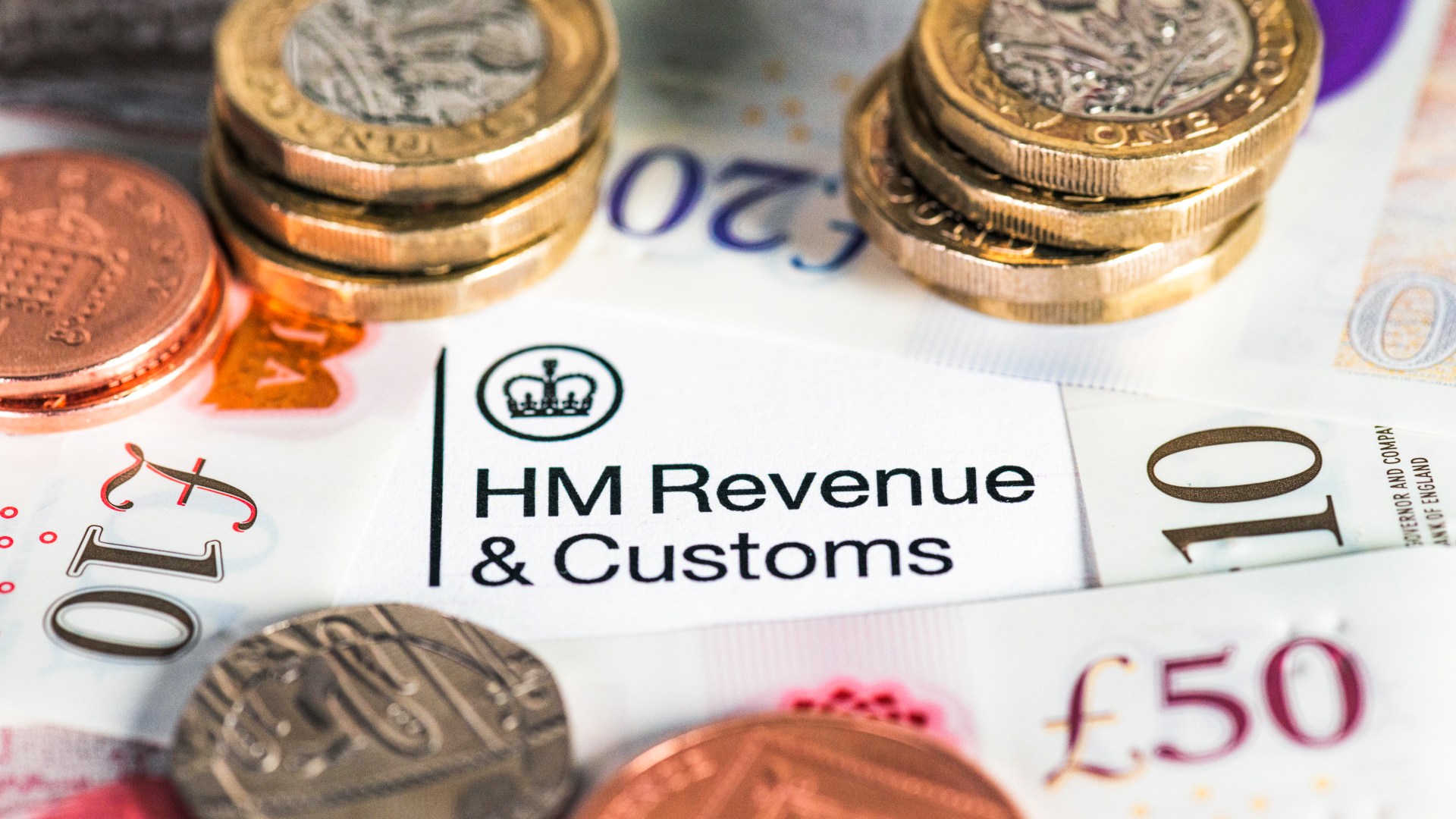
You can make up to £1,000 on top of your main job without paying tax under the UK’s trading allowance.
But this tax relief has been fixed since it was brought in by the Tory government in 2017, despite many people’s side hustle earnings likely having gone up in this time.
If it had increased in line with inflation, Britain’s entrepreneurs would be able to earn hundreds of pounds more before paying tax on their income.
The trading allowance would have risen to £1,331 today, and would reach £1,462 by 2030, according to analysis by investment platform AJ Bell.


But as it’s set to stay at £1,000, Brits with side hustles who earn more than this and pay tax at the basic rate of 20% will be left £92 a year worse off by the end of the decade – due to the extra tax they’ll have to pay.
And higher rate taxpayers, who pay 40% tax, will be £185 worse off a year.
In 2025, basic taxpayers earning over £1,000 through a side hustle are losing £66 a year in real terms, while those on the higher rate are losing £132 a year.
Meanwhile, if you started a side hustle in 2017 and continue to make money from it until 2030, basic-rate taxpayers will have lost a total of £571, while higher-rate taxpayers will have lost £1,142.
AJ Bell director of personal finance Laura Suter told The Sun: “While everyone can earn up to £1,000 tax free from side hustles or other money-making endeavours that are separate from their main job, the so-called ‘trading allowance’ has been frozen at the same level since it was introduced in 2017.
“That effectively means that anyone who uses it has seen their tax-free trading allowance eroded by inflation.”
According to data from Finder, two in five Brits had a side hustle in 2025.
There is no specific tax rate for side hustles. If you do earn over £1,000 in extra income, this will be added to your other annual earnings – for example, from your full-time job – to determine your total taxable income for the year.
Laura added: “The trading allowance means that if you earn £1,000 from property or trading income it will be tax free – if you’re a basic-rate taxpayer this will save you up to £200 a year, or £400 a year for a higher-rate taxpayer.
“It’s great for people doing a bit of work on the side, for example babysitting, selling items on an online marketplace as a business, renting out your driveaway, dog-walking or even selling jam at the local market.
“The good news is that if you earn less than £1,000 a year from your side hustle then you won’t usually need to fill out a tax return.
“Just make sure you keep track of any relevant paperwork proving your income in case HMRC asks for it later.
“If you earn more than £1,000 from your side hustle in a tax year you’ll still benefit from the tax break, but you’ll need to fill out a tax return to declare the extra income and pay any relevant tax.”
The government announced plans earlier this year to change tax rules for people with side hustles.
The shake-up would see people able to earn £3,000 without having to submit a full self-assessment tax return.
However, the Trading Allowance will remain the same, and you’ll still need to pay tax on anything over £1,000.
Separately, a change to income tax rules in the recent Budget, expected to come into force in 2029, will see payrolled workers who earn money through side hustles pay self-employment earnings through their PAYE tax code.