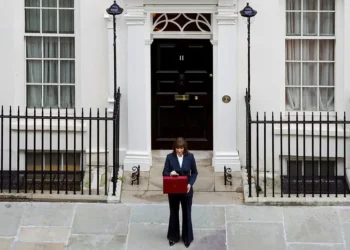
Think Christmas shopping in 2025 is stressful? Wind back the decades to the mid-1980s when the toy at the top of your child’s present wish-list – be it a Cabbage Patch Doll or an Obi-Wan Kenobi figure – could only be bought if you physically went to get it.
Imagine the in-store stress of facing off with other parents in a determined dash to secure the fastest selling toys – all while Shakin’ Stevens’ 1985 festive earworm Merry Christmas Everyone blasted out in the background.
How we buy presents has shifted dramatically in recent decades, with a YouGov survey published last month saying around a third of us now swerve in-person shopping altogether in favour of online purchases.
The most human interaction many of us will experience while Christmas shopping this year is opening the door to a delivery driver…only to find they’ve already turned on their heel, and left the parcel on the mat.
While many high streets up and down the UK appear on a downward spiral – with nail bars, barbershops and chain coffee stores sitting cheek-by-jowl with boarded up stores, it wasn’t always that way.
Wind back the decades to the 1980s and the British high street was booming – with Christmas, and the January sales that followed on Boxing Day, the most lucrative shopping season of the year.
US TV series Stranger Things paints a glossy image of the 80s and has fired nostalgia for a decade that was defined by conservative politics, an explosion of technology and bold fashion – big hair, big shoulder pads and plenty of neon, but what was it really like to Christmas shop in a world without the internet?
For most, November 30 marked the last payday before Christmas with hard-earned wages often arriving in cash form in a handwritten envelope, and from December 1 to the very last hours of Christmas Eve, stores were packed with consumers.
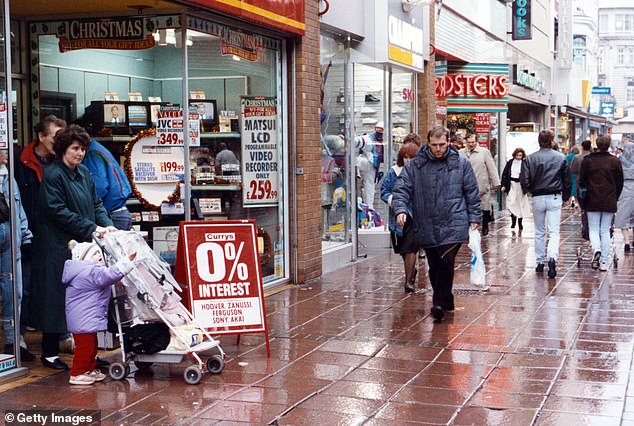
Christmas shopping in the pre-internet days of the 1980s meant hitting the high street, with the nation’s major shopping centres and precincts crowded from dusk til dawn with shoppers buying gifts (Pictured: Linthorpe Road in Middlesborough in December, 1989)
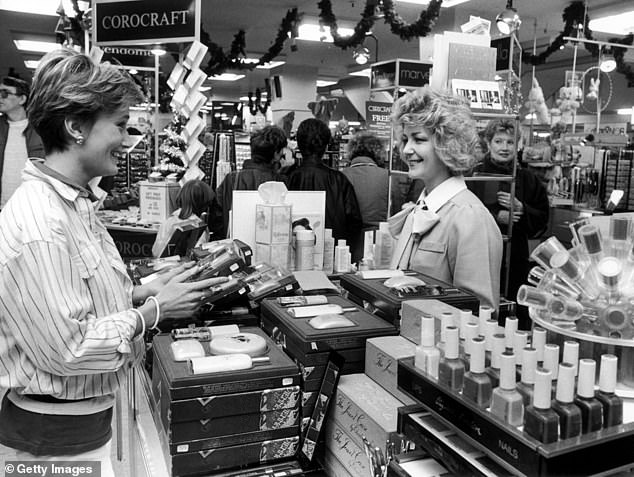
Department stores, such as the Owen Owen department store in Coventry (pictured), would enjoy their most lucrative sales as present-buyers came out in force after the November payday

Elbows at dawn: Liverpool city centre pictured in mid-December 1985; it was common for shops to open early and late to enable those who’d left their shopping to the last minute
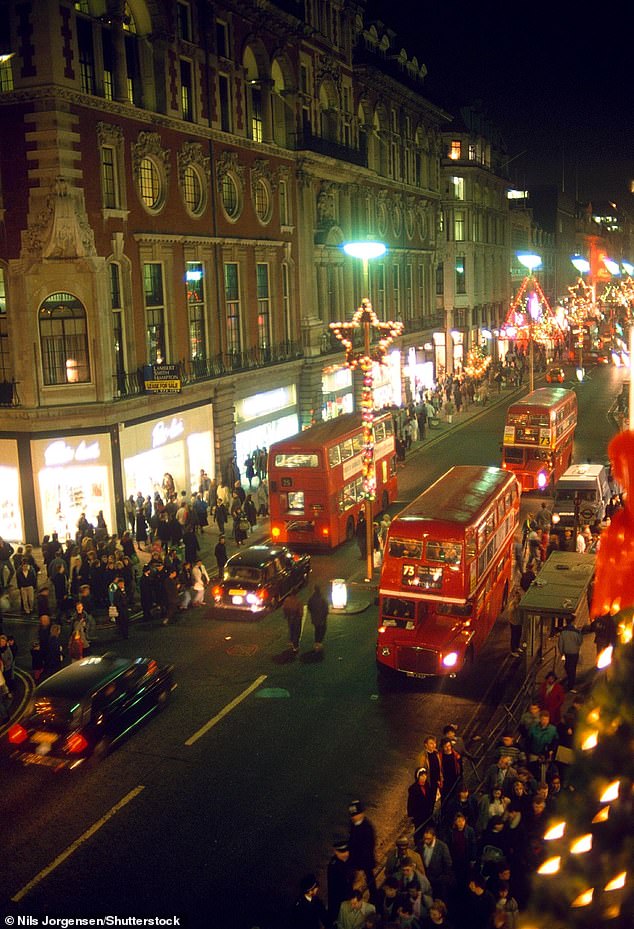
Oxford Street, London’s busiest shopping thoroughfare, pictured in December 1988, with shoppers out in their droves – BBC radio and TV legend Sir Terry Wogan switched on the festive lights that year

We got ’em! Parents would often join long queues to try and pick up the must-have toy of the year before they sold out (Pictured: Americans who flew from the US to buy Cabbage Patch Dolls at Hamleys in 1983)
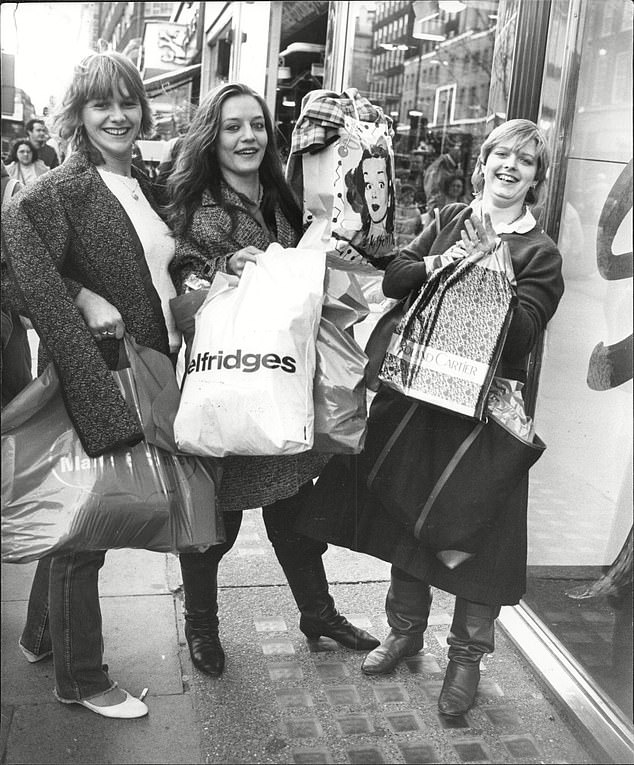
Swag: Many turned festive present buying into a social event: Pictured, three shoppers on London’s Oxford Street after a designer spree
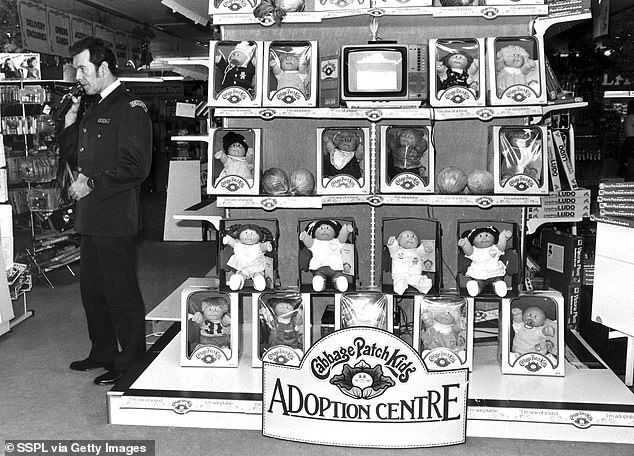
The Cabbage Patch craze, which saw ‘adoption centres’ set up in UK stores, sparked additional security to prevent pandemonium, after riots were reported in US stores as shoppers fought to buy the dolls (Pictured, a store in Manchester with a Cabbage Patch Adoption Centre)
Where were people spending their pay packets? Those picking up presents for music fans would almost certainly head to Woolworths, affectionately known as ‘Woolies’, where the latest cassettes – vinyl was falling out of favour – would be lined up according to their position in the Top 40 music chart.
Just like now, Christmas music played on loop from mid-November, much to the annoyance of retail staff.
Until 1984, which saw Wham’s Last Christmas and Band Aid’s Do They Know It’s Christmas hit the charts, it was a yuletide playlist picked from the 50s, 60s and 70s, with Wizzard’s I Wish It Could Be Christmas Everyday, Slade’s Merry Xmas Everybody and Eartha Kitt’s Santa Baby on repeat.
By the late 80s, the Pogues’ Fairytale of New York – with Kirsty McColl joining Shane MacGowan on vocals – would be added to the list. Mariah Carey was just 11 at the start of the decade.
Shoppers looking to pick up gifts for older family members might find themselves wandering C&A, Littlewoods or BHS for a pullover, socks or nighties.
Meanwhile, relatives of tech-heads would make for Dixons or Tandy, with Currys then also a major player for electrical goods.
Electronic keyboards, the Sony Walkman, VHS players and boomboxes, large cassette players with speakers, were all lusted after by teens.
Younger children? They might ask Father Christmas for a Texas Instruments Speak and Spell or Atari or Sega games computers – the first incarnation of the Nintendo Game Boy wouldn’t arrive from Japan until 1989.
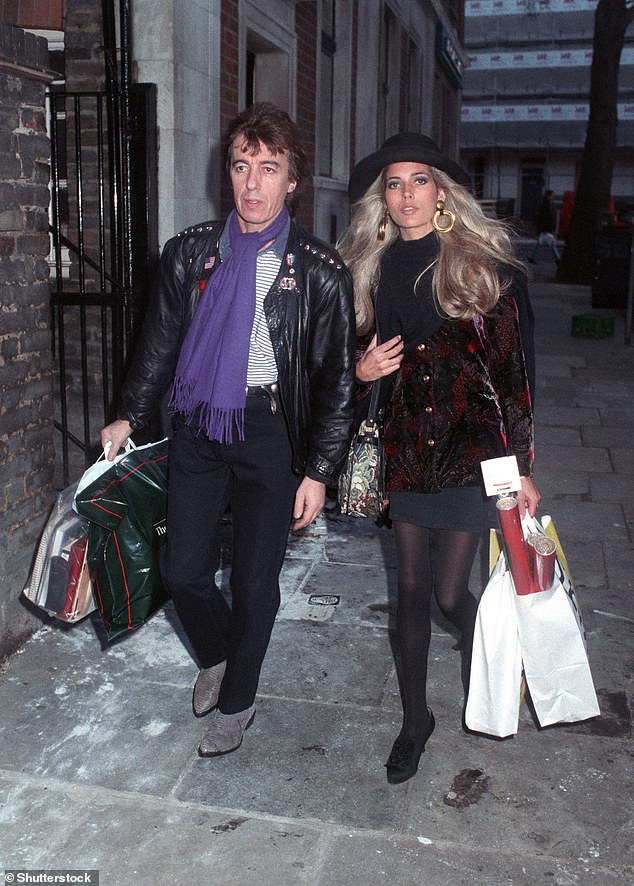
Even celebrities hit the shops! Rolling Stone Bill Wyman and his then wife Mandy Smith pictured on the Kings Road in Chelsea in the 1980s
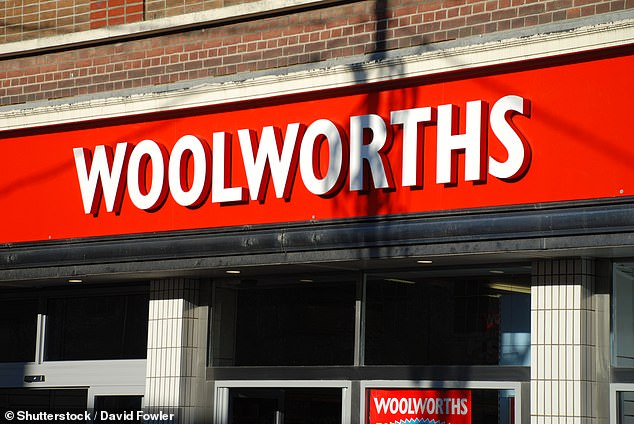
By the mid-1980s, cassettes were big business, with vinyl out of fashion – and ‘Woolies’ would sell the top 40 singles in stores, while playing Wizzard and Slade on loop

Forget Apple and Nintendo, the 1980s were all about the Commodore, Atari and Sega computers…with patience required by those playing games on them – they’d often take 15 minutes to load

Stranger Things has made the BMX cool all over again, and the Raleigh Burner, which cost £120 and launched in 1982, would quickly sell out in bike shops
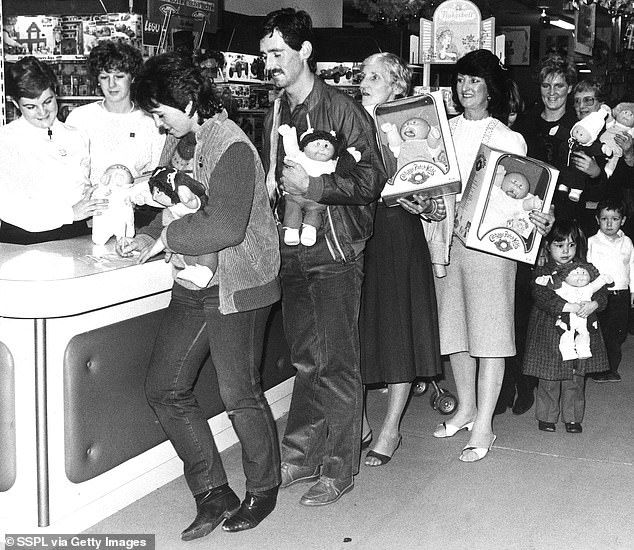
Cabbage Patch chaos: The middle of the decade saw shoppers clamouring to get their hands on the £24.99 pug-faced dolls – which were only available at the time in select stores
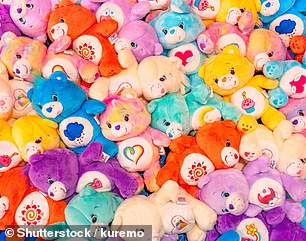
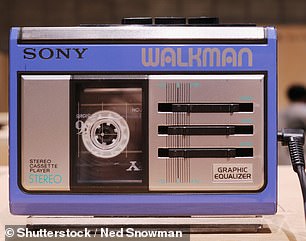
Other lusted after items on Christmas lists included Care Bears, and the Sony Walkman, which was a 1980s teenager’s answer to Spotify
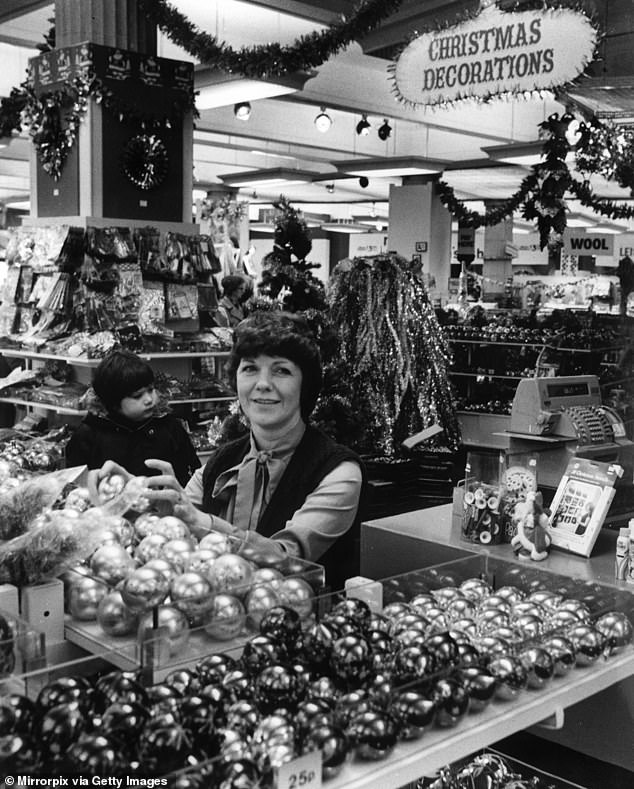
Deemed a decade of consumerism, the 80s saw department stores, including Lewis’s in Liverpool, pictured here in 1981, enjoying the attention of Christmas shoppers from early November
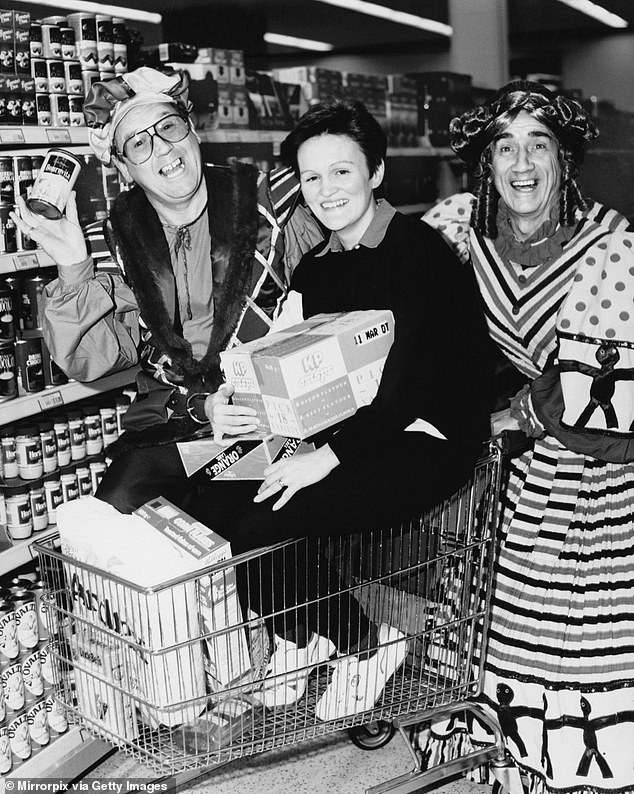
Online food deliveries didn’t exist so Christmas dinner had to be bought in person, with Safeway, Gateway, Asda and Kwik Save all big players (A promotion featuring panto stars in Gateway, Glasgow in 1989)
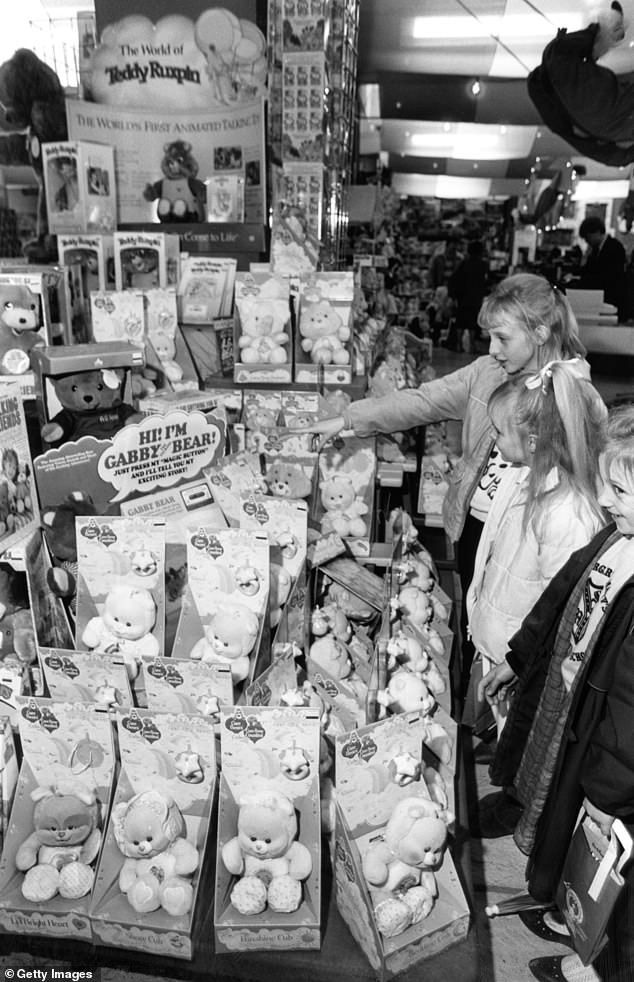
Alongside Care Bears, there was also the Gabby Bear Dolls, an animatronic teddy bear that rivalled the more popular Teddy Ruxpin (Young shoppers in Liverpool in 1986 look at Gabby Bear Dolls on sale)
The opening of Toys ‘R’ Us in 1985 saw many exasperated parents spend hours incarcerated in these enormous toy temples, which were often just out of towns and cities on retail parks, another emerging trend.
Popular TV characters ruled the roost for many youngsters, with Transformers, Care Bears, Rainbow Brite, My Little Pony and He-Man the most-wanted gifts by the decade’s middle.
And every generation has subjected their parents to the notion of hype. In 1983, such was the demand for Cabbage Patch Dolls, queues formed ahead of opening at Hamleys, London’s famous toy store.
Among them were five wealthy Americans who told reporters at the time they’d flown over on the Concorde just to buy the dolls.
Star Wars also exploded on the scene – with George Lucas’s original trilogy spanning 1977 to 1983, and putting Jedi figures including Luke Skywalker, Obi-Wan Kenobi, and Yoda on present lists.
Let’s not forget food shopping: when online deliveries were a mere twinkle in the eye of major supermarkets, there was only one way to ensure your family’s Christmas dinner was on the table – grab a trolley and buy it.
The arrival of German supermarkets Lidl and Aldi was decades off and even Tesco and Morrisons were small-fry back then with long queues at tills on December 24 more likely to be found at Asda, Safeway, Sainsbury’s and Kwik Save.
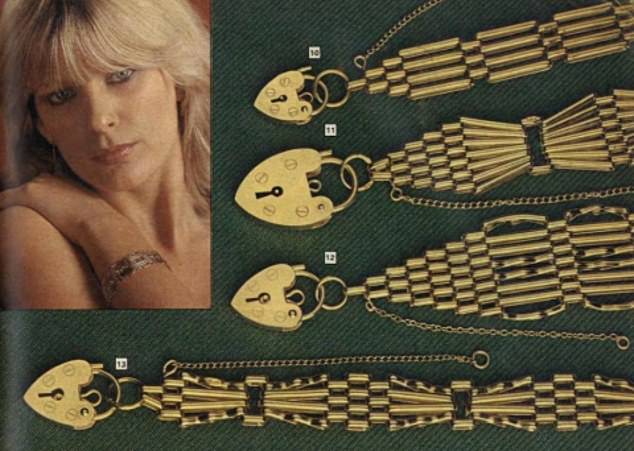
1980: Elizabeth Duke jewellery proved to be a successful source of revenue for Argos, selling everything from necklaces to rings, bracelets and earrings. In 2020, Argos announced it would be discontinuing the brand – in an attempt to streamline its offerings and advertise more trendy items
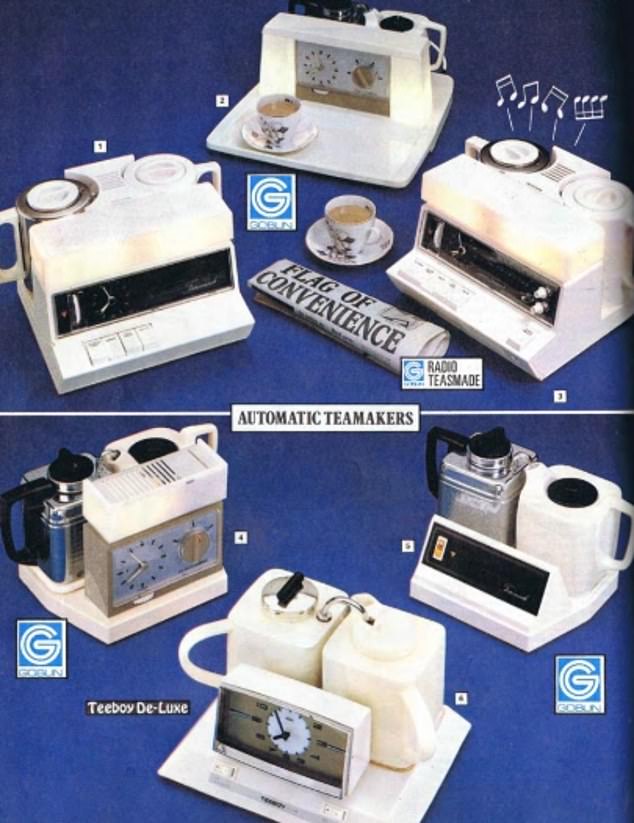
1981: A kettle was not enough – as the 80s saw Brits enjoy a brief fascination with ‘automatic tea makers’. The ultimate retro two-in-one, these came with an alarm clock and were designed to be kept at your bedside – to ensure you could have your brew as soon as you’re up
There was another revolutionary shop that was fast-growing in the 1980s…Argos.
Consumers loved the fact you could browse through a sizeable catalogue, write down an order number on a small sheet of paper, with a pencil provided, and then have it delivered to a counter in the back of the store moments later.
The weighty tome was quite rightly known as the ‘book of dreams’, such was the range of products contained in its many pages – from family games to household equipment and all the latest tech.
Today, Argos still exists in the form of 664 stores, which includes concessions in 461 Sainsbury’s branches after the grocer bought the retailer in 2016 – a move that may have backfired amid falling demand and huge competition from the likes of Amazon.