PEOPLE are being warned to “avoid hospitals” if they have flu symptoms to protect vulnerable patients – as the UK braces for a “tidal wave” of the bug, which shows no sign of peaking ahead of Christmas.
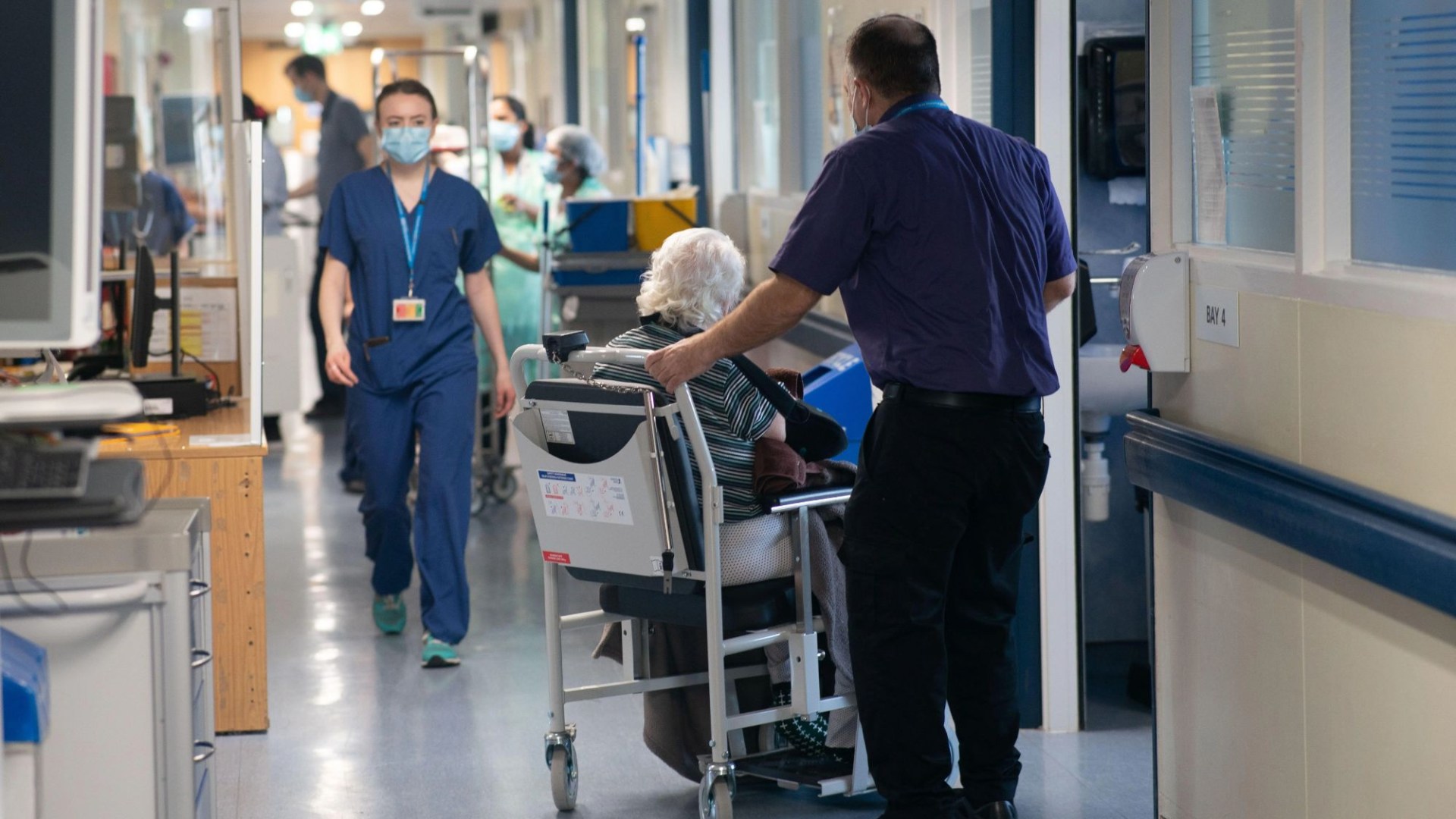
“Don’t visit relatives or friends in hospital – or use hospital emergency departments – if you have flu-like symptoms,” infection control experts at University Hospitals of Northamptonshire (UHN) Trust told visitors.
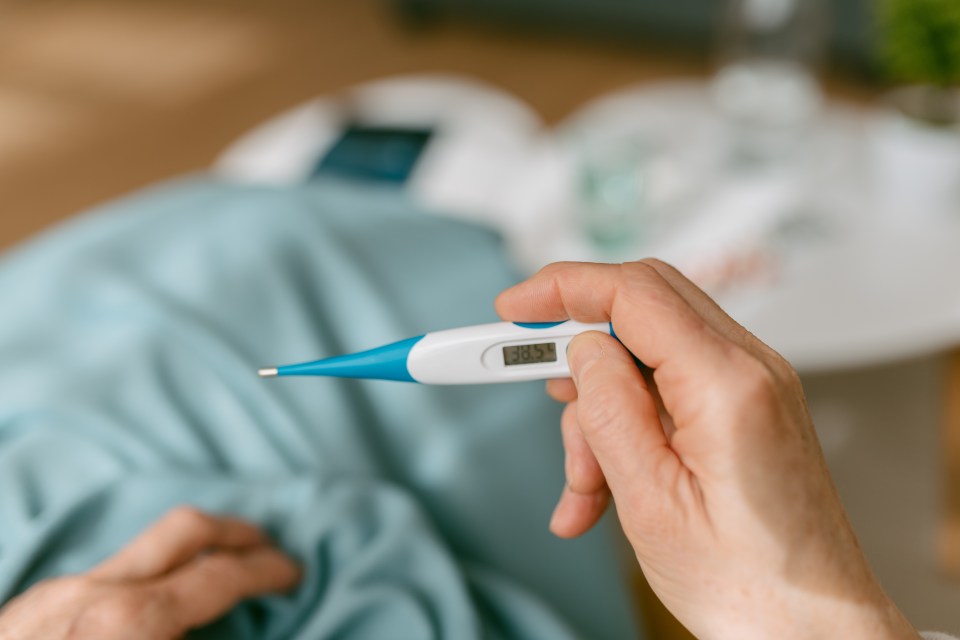
They said viral illnesses such – as flu, Covid and other coughs and colds – were best treated at home, by consulting a pharmacist or using over-the-counter medicines.
But in some cases, a flu infection can turn serious, causing severe illness or complications.
Certain people – such as young children, people over the age of 65, pregnant women and those with underlying health conditions – will be at higher risk of this happening.
Here, we reveal the red flag signs that mean you should seek urgent help for a flu infection.

UHN made its plea to visitors after several patients in its two hospitals were diagnosed with the flu.
Fifteen inpatients tested positive for the bug at Kettering General Hospital just this week, and 14 at Northampton General Hospital.
“Emergency departments at Kettering and Northampton general hospitals are always open for people who have serious and life-threatening conditions,” the trust said.
“But flu is not usually one of them,” it noted.
UHN’s associate director of infection prevention and control Holly Slyne said: “Like many other hospitals across the country we are starting to see the impact of flu.
“We need to do everything we can to protect our patients, many of whom are elderly and more vulnerable to viral illnesses.
“One thing the public can do to support us is not to visit relatives or friends in hospitals if you are unwell with flu-like symptoms right now, or have been unwell in the last 48 hours.
“Also please do not attend our emergency departments with these symptoms, as in most cases we will redirect you to community services such as pharmacies to help you relieve your symptoms.”
The bug has been battering hospitals – prompting several to issue ‘critical incident’ warnings last week.
It comes as the UK has been hit with an unusually early surge of flu.

Last week, an average of 2,660 patients were in hospital with the bug each day – the highest ever for this time of year and 55 per cent up on last week.
It’s thought cases are being driven by driven by strain of flu, dubbed ‘subclade K’ or H3N2, which mutated several times over the summer and is different to ones we’re usually exposed to each flu season.
Sun columnist and GP Dr Zoe Williams warned the strain may be “more severe” than normal flu and “more infectious”.
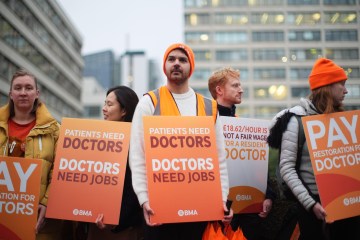
Meanwhile, planned resident doctors strike kicked off today.
Health Secretary Wes Streeting has warned the “double whammy” of the strikes and flu-nami could be “be the Jenga piece that collapses the tower”, causing the NHS to buckle.
When to seek urgent help for flu
Though different from strains circulating in previous years, H3N2 causes similar symptoms.
Dr Zoe told Sun Health they tend to be “sudden onset” and include:
- Fever
- Feeling generally unwell
- Body aches
- Exhaustion
- Coughing
- Sneezing and a runny nose
Flu may also cause a sore throat, loss of appetite, diarrhoea and tummy pain, and sickness, the NHS adds.
Meanwhile, children may also have an ear ache and low energy, Dr Zoe adds.
If you get struck down by the flu, the best thing you can do is stay home and rest, sleep and drink plenty of fluids and you should start feeling better after a week or so.
But watch out for six red flag symptoms in yourself or your child.
If you spot these, it means you should get urgent help.
Phone 999 or go to A&E if:
- You have severe difficulty breathing – for example, you struggle to speak without pausing, gasping or choking
- You have severe chest pain in the middle of your chest that isn’t going away – it may feel like pressure, tightness or squeezing
- You have pain that spreads to your arms, back, neck and jaw
- You feel more drowsy than usual or find it more difficult to wake up
- Your lips or skin are turning very pale, blue or grey – on brown or black skin this is easier to see on the palms of your hands
- You start coughing up blood
You should ask for an urgent GP appointment or call NHS 111 if your baby or child has the flu and you’re worried about them, or if you’re pregnant, 65 or older, have a long-term medical condition or a weakened immune system.
The NHS also suggests you get help if your flu symptoms don’t improve after seven days.
Don’t miss appointments
Despite the five-day strike and high flu cases, the NHS is still urging patients to go to their appointments unless told otherwise and not put off coming forward for care.
It said today that plans are in place to continue life-saving care, while keeping as much routine care and scheduled operations going as possible.
There may be fewer doctors working than usual over the next few days, and they will need to prioritise life-saving care.
As a result, people needing less urgent care may experience longer waits during strikes.
But GP practices will continue to be open and urgent and emergency care services will continue to be available for those who need them.
You should use 111 online as the first port of call for urgent but not life-threatening issues and 999 or go to A&E as normal for urgent medical care.
Professor Meghana Pandit, NHS England’s National Medical Director, said: “These strikes come at an immensely challenging time for the NHS, with record numbers of patients in hospital with flu for this time of year.
“Staff will come together as they always do, going above and beyond to provide safe care for patients and limit disruption, but sadly more patients are likely to feel the impact of this round of strikes than in the previous two – and staff who are covering will not get the Christmas break they deserve with their families.
“It is vital that the public continue to come forward for their appointments over the next few days unless they are contacted by the NHS and told otherwise – but inevitably some appointments will have to be rescheduled.”
Health bosses also pleaded with Brits to get their flu jab if they haven’t already – saying it’s not too late, even if protection won’t kick in before Christmas.
People eligible for a free jab include those over 65 or with underlying health conditions like asthma and diabetes.
But you can still buy a vaccine privately, with prices starting at £15.
Who can get free flu jabs?
THE flu jab helps protect against flu, which can be a serious or life-threatening illness.
It’s offered on the NHS every year in autumn or early winter to people at higher risk of getting seriously ill from flu.
You can get the free NHS flu vaccine if you:
- Are aged 65 or over (including those who will be 65 by 31 March 2026)
- Have certain long-term health conditions
- Are pregnant
- Live in a care home
- Are the main carer for an older or disabled person, or receive a carer’s allowance
- Live with someone who has a weakened immune system
Frontline health and social care workers can also get a flu vaccine through their employer.
How to get the flu vaccine
If you’re eligible for an NHS flu vaccine, you can:
Some people may be able to get vaccinated through their maternity service or care home, or through their employer if they’re a frontline health or social care worker.