According to Irish republicans, the IRA’s campaign of bombing and murder ended because “peacemakers” like Gerry Adams and Martin McGuinness persuaded it to give up violence and pursue politics. This was always an obvious and self-serving lie, though it was eagerly repeated by many sympathisers and journalists. The paramilitary organisation was forced to abandon terrorism mainly because of the successes of Britain’s intelligence services.
By the 1980s and 1990s, the IRA was infiltrated so thoroughly by agents run by Army Intelligence and the Royal Ulster Constabulary (RUC) Special Branch, it had no choice but to look for another strategy. The movement’s “struggle” to destroy Northern Ireland, and force its people into an all-island republic, would from then on be pursued by other means, including relentless attempts to sanitise the Provisionals’ previous violence and cast Britain as the aggressor in the Troubles.
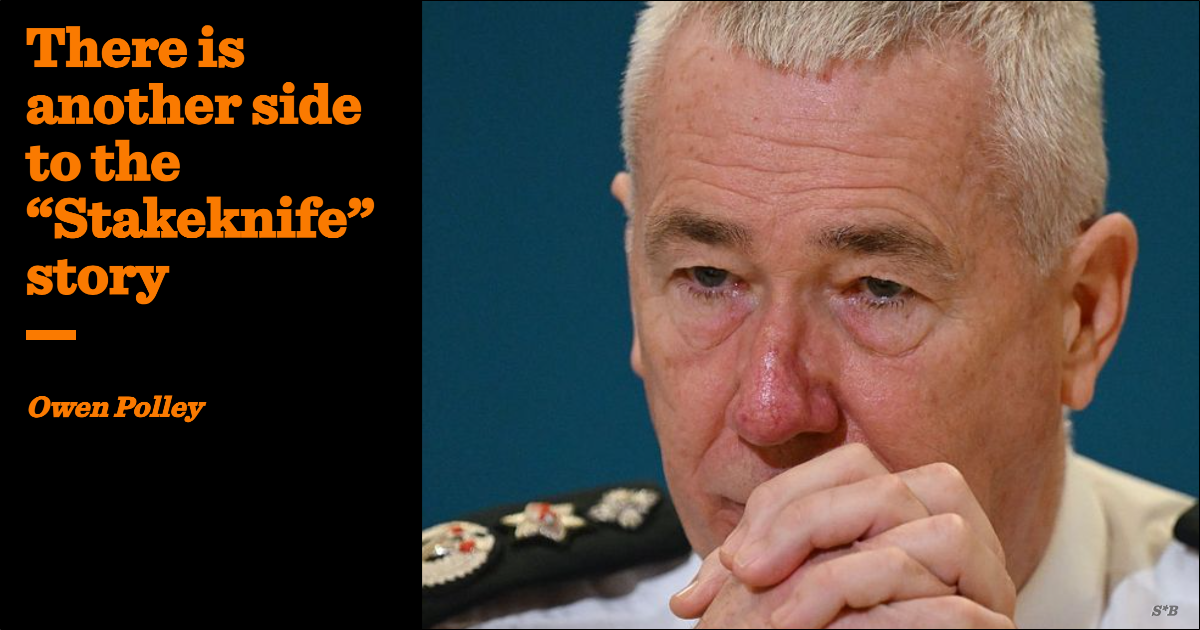
The identity of the most notorious of the state’s agents, codenamed “Stakeknife”, has never been revealed, but he is almost universally believed to have been Freddie Scappaticci, the head of the IRA’s Internal Security Unit or “nutting squad”. This group became infamous for abducting and interrogating suspected British informants, before shooting them in the back of the head.
Operation Kenova, which published its final report this week, was set up in 2017 to investigate the activities of Stakeknife, including the involvement of police, army and government officials. It also developed an offshoot, Operation Denton, charged with reviewing allegations, often spread by republican conspiracy theorists, that the security forces were involved with a murderous group in the loyalist Ulster Volunteer Force (UVF), called the Glenanne Gang.
The report casts a fresh spotlight on the murky decisions and moral trade-offs that eventually resulted in Britain winning the “dirty war” in Northern Ireland. It also calls for the government to publicly identify Stakeknife. But it does not emphasise the context against which many of these decisions were taken and it is too ready to compare the actions of the security forces with the deeds of terrorists.
An interim report, published last year, first publicised the claim that Stakeknife was responsible for more murders than he prevented. This finding is fleshed out in the latest document, written by Sir Iain Livingstone, the former chief constable of Police Scotland.
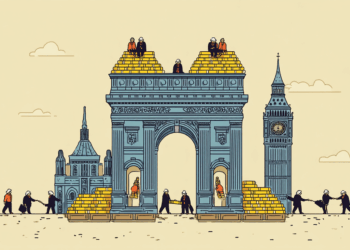
Within the security services, Stakeknife developed a reputation for producing invaluable intelligence. One former defence official reputedly described him as “the goose that laid the golden eggs”. The report challenges this interpretation, alleging that, while the agent produced a vast quantity of information, it was frequently unreliable and could not be used to prevent crimes. Stakeknife, it implied, was protected by the intelligence services, including MI5, as he acted as the IRA’s internal executioner, becoming implicated in 14 murders and 15 abductions. The suggestion is that British officials made a deadly error by overestimating his importance.
These revelations, by themselves, could be depicted as damning, but they tell a partial story.
Sinn Fein and other apologists for terrorism have worked hard to develop a distorted, alternative history of the Troubles
Stakeknife may have taken more lives than his intelligence directly saved, but we know that the tactic of infiltrating terrorist groups ultimately brought a brutal insurgency to an end and prevented an unquantifiable amount of bloodshed. In any case, the nutting squad’s methods, which involved hunting down, torturing and shooting suspected informers, were entirely the invention of ruthless, paranoid terrorists in the IRA.
Sinn Fein and other apologists for terrorism have worked hard to develop a distorted, alternative history of the Troubles. In their account, the violence in Northern Ireland was orchestrated almost entirely by UK security forces, for mysterious reasons that made sense only to British “securocrats”. This campaign, they claim to believe, was pursued either directly by troops and police, or through a process of “collusion” with loyalists and infiltration of republicanism.
The Kenova report does help in some respects to debunk these warped conspiracies, but it is also too shy about calling them out explicitly. The Operation Denton review found that there was no evidence the security services helped the UVF plant car bombs in Dublin and Monaghan in the Republic of Ireland, as was frequently claimed by campaigners, nor did the state have any intelligence about the attacks that it failed to share. The loyalist group was “independently capable” of committing these atrocities, which resulted in 33 murders, without any outside help.
It also dismissed the conspiracy theory that the state directed the “Glennane Gang”. Denton concluded that there were examples of members of the RUC and Ulster Defence Regiment who sympathised with loyalist paramilitaries, but an “easily defined Glennane gang did not exist.” In the ambiguous language of independent reviews, this is about as definitive as it gets. There were bad actors within the security services, but they were small in number and they were certainly not coordinated.
As for Stakeknife, many figures within the intelligence services apparently persuaded themselves that his contribution was more decisive than it really was. In retrospect, the decision to allow him to continue to operate so brutally may even have been a mistake. But it was, at the very least, a complicated choice, played out against a backdrop of escalating terrorist violence, which the security services were trying their best to end.
The contribution to the IRA’s demise of this particular agent may be disputed. He was an appalling character, responsible for horrible crimes. What is not in doubt is that the security forces prevented the Troubles from becoming an outright civil war and the intelligence services played a key role in eventually defeating the IRA. That is what our government should be emphasising, rather than helping terrorist apologists to distort the past through more inquiries and investigations into state conduct.