HUNDREDS of thousands of sheep and goats have reportedly been culled in Greece after being struck down with a deadly pox.
The outbreak has prompted fears that Greek farmers may have to halt production of the country’s famous feta cheese.
Known as the “sheep and goat plague”, it can kill between 80% and 100% of infected animals.
The deadly virus was first confirmed in Greece in July last year and later spread to other countries.
Last year, producers insisted the plague would not halt production of feta after insisting the industry had enough milk despite the culling of thousands of animals.
However, there have recently been reports of a new outbreak with one farmer from the outskirts of Karditsa, a city in the Thessaly region of central Greece, losing 650 sheep and goats.


EU regulations state that if a case is detected in any herd, the entire flock must be culled.
“I was here the day the sheep were culled,” the farmer told the BBC.
“It is very cruel. I felt that I failed to protect them.”
Any affected area, including farmsteads, have to be disinfected. The plague does not affect humans.
According to the latest data from the Ministry of Rural Development and Food, there has been a total of 1,702 incidents reported in Greece since the middle of November.
More than 400,000 sheep and goats have been disposed of so far, approximately 4-5% of the total number in the country.
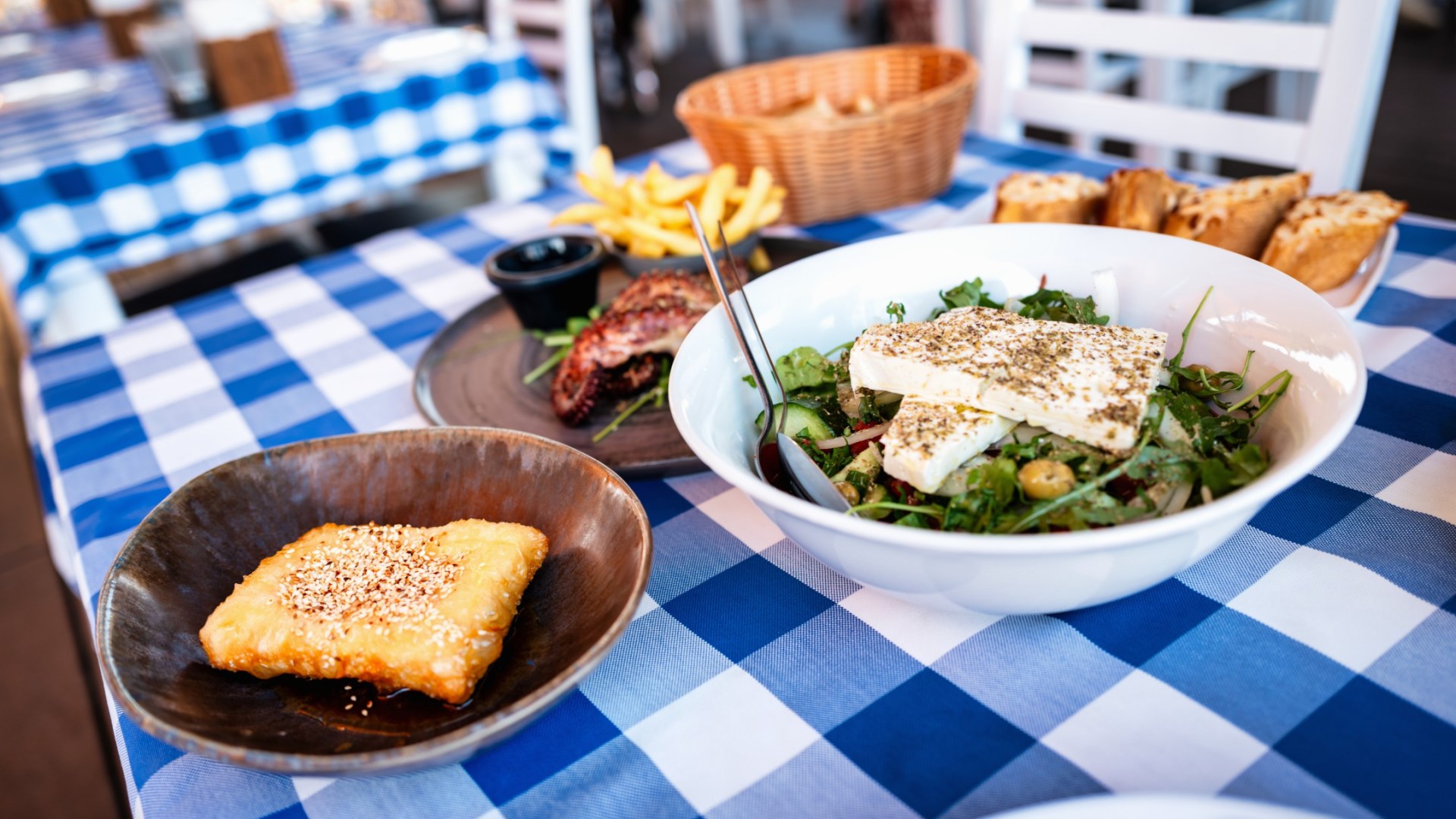
Approximately 80% of Greek sheep and goat’s milk goes towards making feta cheese.
As with Stilton cheese in the UK, Feta is a protected designation of origin within the European Union.
This means that while similar cheese can be produced elsewhere in the EU it cannot be called feta.
The UK continues to respect this 2002 ruling following Brexit.
While the cheese is hugely popular in the UK, many Brits have no idea where feta comes from, researchers have found.
In a study, one third of the 2,000 adults polled were not aware it was made from sheep’s milk.
The study prompted James Golding, group chef director of a major UK hotel group and member of the Royal Academy of Culinary Arts, to campaign for better knowledge on foods and sustainability when cooking.