A LABOUR MP has been sentenced to jail in Bangladesh over corruption charges.
Tulip Siddiq, 43, was slapped with a two-year prison term just weeks after her aunt, Sheikh Hasina, the country’s ousted prime minister, was sentenced to death for crimes against humanity.
Siddiq was found guilty of abusing her status as Hasina’s niece to secure a plot of land in the outskirts of the capital Dhaka.
As the sitting MP for Hampstead and Highgate, Siddiq has always strongly denied the charges, and is unlikely to serve the sentence.
She is based in London and was not present for the sentencing, and continues to face a number of outstanding charges in Bangladesh.
Her aunt Hasina, 78, was removed from power last year, and since then prosecutors have launched a number wide-ranging legal cases against her and her associates.
Two weeks ago, Hasina was handed the sentence after being found guilty on three counts – including crimes against humanity, ordering to kill, and inaction to prevent the atrocities.
A Bangladeshi court found her guilty of ordering a deadly crackdown on a student-led uprising in July and August 2024, when around 1,400 died at the hands of police.
A judge found that “all the elements… constituting crimes against humanity have been fulfilled”.
The trial involving Siddiq – who quit as a Treasury minister in January over controversy around her ties to her aunt – has been playing out in Dhaka since August.
Court documents claimed she “forced and influenced her aunt and the former Prime Minister Sheikh Hasina using her special power to secure [a plot of land]” for other family members over there.
Prosecutors tried Siddiq as a Bangladeshi citizen – though her lawyers insist she was not.
They told the Financial Times she has “never had” an ID card or voter ID, and “has not held a passport since she was a child”.
She was sentenced to two years and a 100,000 plus a fine of around £620, and six months will be added to her term if she fails to pay.
When the trial began, Siddiq said prosecutors had “peddled false and vexatious allegations that have been briefed to the media but never formally put to me by investigators”.
A statement issued on her behalf added: “I have been clear from the outset that I have done nothing wrong and will respond to any credible evidence that is presented to me.
“Continuing to smear my name to score political points is both baseless and damaging.”
She has not made a public comment since being sentenced.
More to follow… For the latest news on this story keep checking back at The Sun Online
Thesun.co.uk is your go-to destination for the best celebrity news, real-life stories, jaw-dropping pictures and must-see video.
Like us on Facebook at www.facebook.com/thesun and follow us from our main Twitter account at @TheSun.
Why were there anti-government protests in Bangladesh?
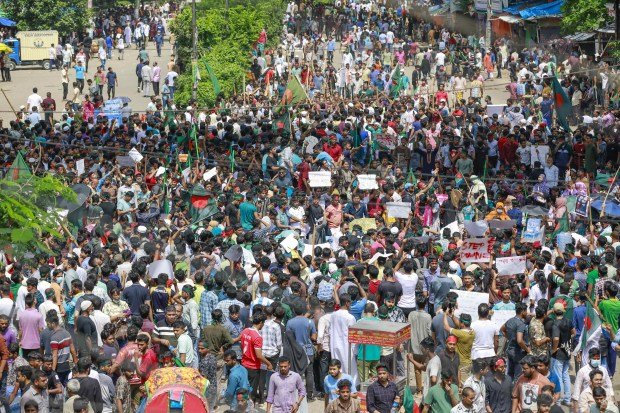
Student demonstrations began last month with protesters demanding how government jobs are distributed.
An old quota system gave families of independence war veterans from Pakistan and other groups a preference for the coveted government jobs.
The students said the unfair system should change, with the government and its supporters initially trying to crush the protests.
Bangladesh, a former British colony, is one of the least developed countries but has a population of 171 million people.
The protests became widespread and turned into street battles with the police, army, and supporters of the government.
Around 300 were killed as the conflict continued, and tens of thousands have been injured.
Protesters’ demands eventually changed to an end of the government, with Prime Minister Sheikh Hasina fleeing the government.