A GIANT half-finished glass elevator built for lazy tourists at the world’s most beautiful beach will be torn down, following outrage it was ruining the view.
Workers have been told to demolish the partially built 600ft glass cliffside lift at the famous Kelingking Beach in Bali, which caused fury from locals and tourists for being an eyesore on the pristine coastline.
The order came from Bali‘s governor Wayan Koster citing multiple planning violations and the need to protect the island’s nature and culture.
Almost 70 percent completed, builders now have six months to tear down the steel monstrosity, and a further three months to restore the natural surrounds.
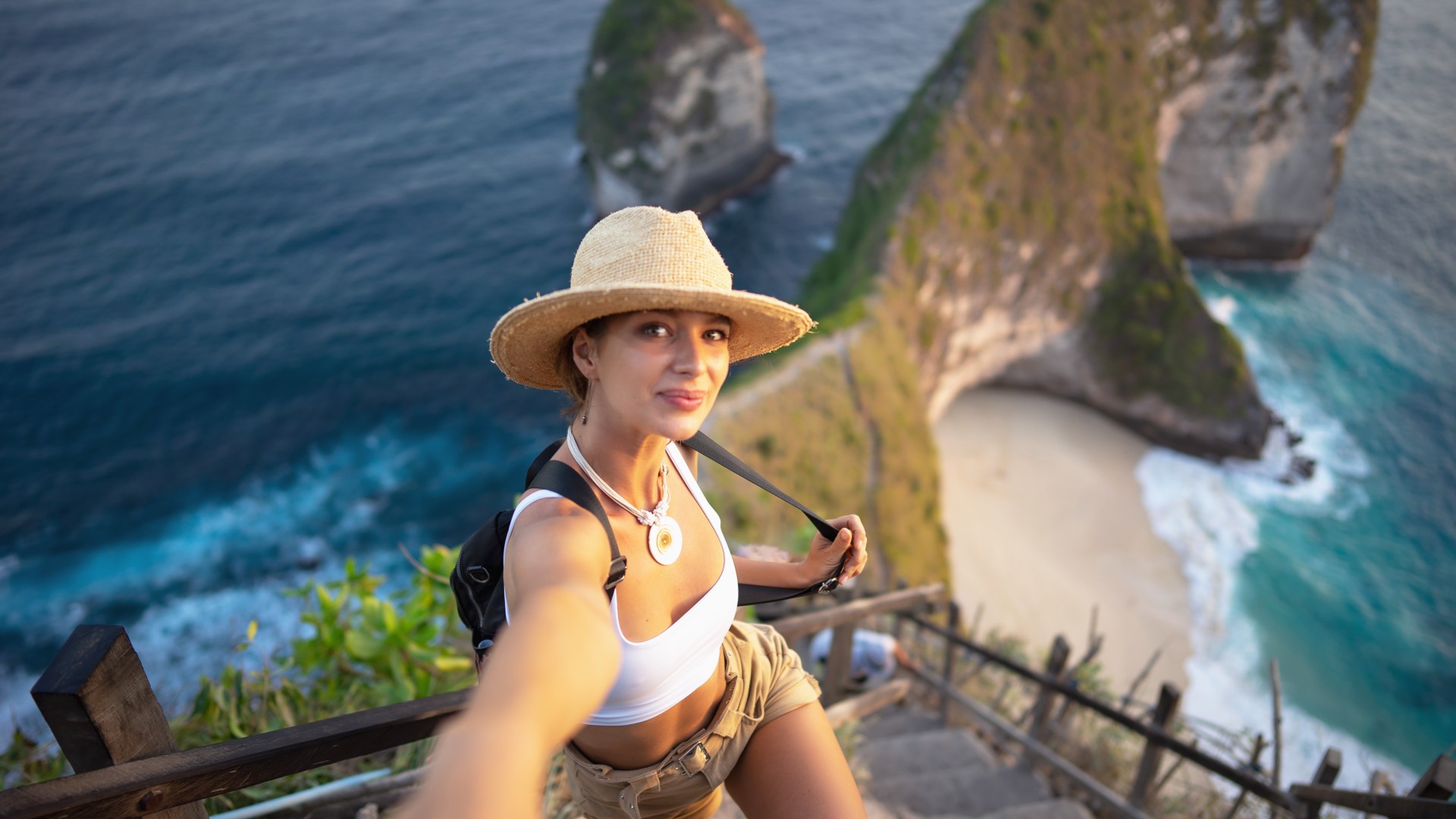
Located on Nusa Penida, an island off the coast of Denpasar, Kelingking Beach was voted in the top 50 world’s most beautiful in 2024.
Drawing global attention for its sea-jutting rock formation resembling a dinosaur, the beach is an influencer‘s dream destination.

Construction began on the controversial project in 2023, which was set to include two external sightseeing elevators, a sky cafe, restaurant and a large, 400sqm panoramic overlook.
Chinese developer China Kaishi Group was erecting the 182-metre-high lift and adjoining 64-metre bridge for an eyewatering £5.3 million.
The elevator was hoped to boost tourism numbers and provide a safe viewing area for travellers, the company said in a media release when construction began.
“Due to the steep cliffs surrounding it, with a vertical drop of nearly 200 meters, reaching the beach requires a nearly two-hour climb down the cliffs, posing a certain degree of danger,” it read.
Currently it can take an hour to make the downhill hike from cliff to beach, where swimming isn’t even allowed due to a spate of deaths and injuries over the years in the wild waters.
The return uphill walk can take two hours.
Resentment for the project had been growing online since construction began, with one past visitor recalling the “brutal” hike with rickety wood handles and frayed rope.
“Could they improve the walking path? Sure” they said.
“[But] I’m on the side of the locals though, no elevator should be installed here.”
Another person said: “Tourism doesn’t always mean building giant structures. Sometimes the views and untouched scenery are what people come for.”
“This is an incredibly stupid idea and whoever supposedly thought it was ‘the perfect addition’ needs run out of that country,” another comment read.
“I would be pissed if I ever get to visit Bali and that hideous thing was there,” they added.
Bali senator Niluh Djelantik, had also been vocal about her disapproval of the project.


“Long before this lift was built, we had already voiced our opposition. The risks are too great,” she said.
“Enjoy Bali’s beauty wisely; don’t create access that seems to be leading tourists to the gates of disaster.”
History of Kelingking Beach
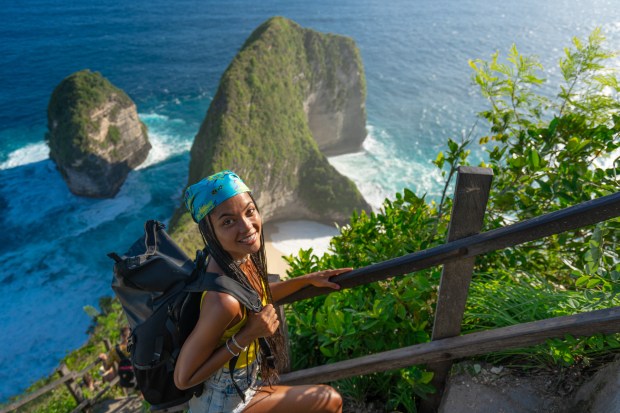
- “Kelingking” means “pinky finger” in Indonesian, a nod to the shape of the limestone promontory when viewed from above.
- For decades the spot was known mostly to islanders and a handful of adventurers. Access to the beach was extremely steep and informal, essentially a rough track down the cliff.
- Around 2018 Kelingking’s aerial “T‑Rex” silhouette went viral on Instagram and travel blogs. Visitor numbers surged, and the village introduced a small entry fee, parking, and a safer path with railings and steps replacing the makeshift descent.
- By the early 2020s Kelingking was regularly featured in “world’s best beaches” lists and became Nusa Penida’s iconic viewpoint.
- The beach is known for powerful shore break and rip currents. With more visitors attempting the descent and to swim, accidents and drownings prompted stricter warnings and, at times, formal prohibitions on swimming.