To say the run-up to the Autumn Budget has been messy would be a dramatic understatement. Policies have been floated, leaked, denied, resurrected, repackaged, and junked again. At this point, Rachel Reeves’s budget plans look less like a coherent economic strategy and more like a document that’s been written, set on fire, dragged out of the ashes, rewritten, and then set on fire again for good measure.
Naturally, both the Conservatives and Reform have piled in, offering their own ways to plug the £25bn to £30bn black hole, from slashing the foreign aid budget to targeting the welfare state. And while some of the “sensible” commentariat may roll their eyes at this and sneer about “populist red meat,” the truth is that this framing is not only welcome — it’s essential.
Why? Because Britain cannot have an honest conversation about taxes, spending or long-term reform until the government gets a grip on the enormous sums squandered on things the public neither voted for nor benefits from.
And nowhere is this clearer than in the case of illegal migration. It has become one of the defining moral and political issues of our time, not just because of the chaos it inflicts on communities, but because of what it symbolises: a total collapse of fairness.
Every time a working family is told to tighten their belts, they see taxpayers’ money showered on those who broke the law to get here. Migrant accommodation costs have tripled from £4.5 billion to £15.3 billion, while private contractors rake in eye-watering profits. How, in good conscience, can any government ask the public for more money while allowing this farce to continue?
Foreign aid is no better. Millions are siphoned abroad on vanity projects that achieve little, such as rusting solar panels in Zimbabwe and fixing Ethiopia’s tax collection service. We are told this is about “soft power” and “global leadership,” but ordinary people aren’t fooled. When the government pleads poverty at home yet finds cash for overseas boondoggles, it breeds justified fury.
And then we come to welfare. Almost one in ten working-age adults is now on PIP in England and Wales. Claims for “mental health” conditions have exploded. The TaxPayers’ Alliance benefits dashboard shows how payouts for anxiety, depression, and ADHD are spiralling. Of course, many people deserve support, but the system has drifted far, far from its purpose. Every unnecessary claim is a pound taken away from those who genuinely need help, or from working taxpayers who are already stretched to breaking point.
Some will sneer that this is “low-status politics” and that bringing up foreign aid or illegal migration is just populist noise (and some will be frothing at the mouth that I haven’t mentioned the triple lock on pensions). But they’re wrong. These issues must be addressed because, without fixing them, there can be no public consent for the tough measures Britain genuinely needs.
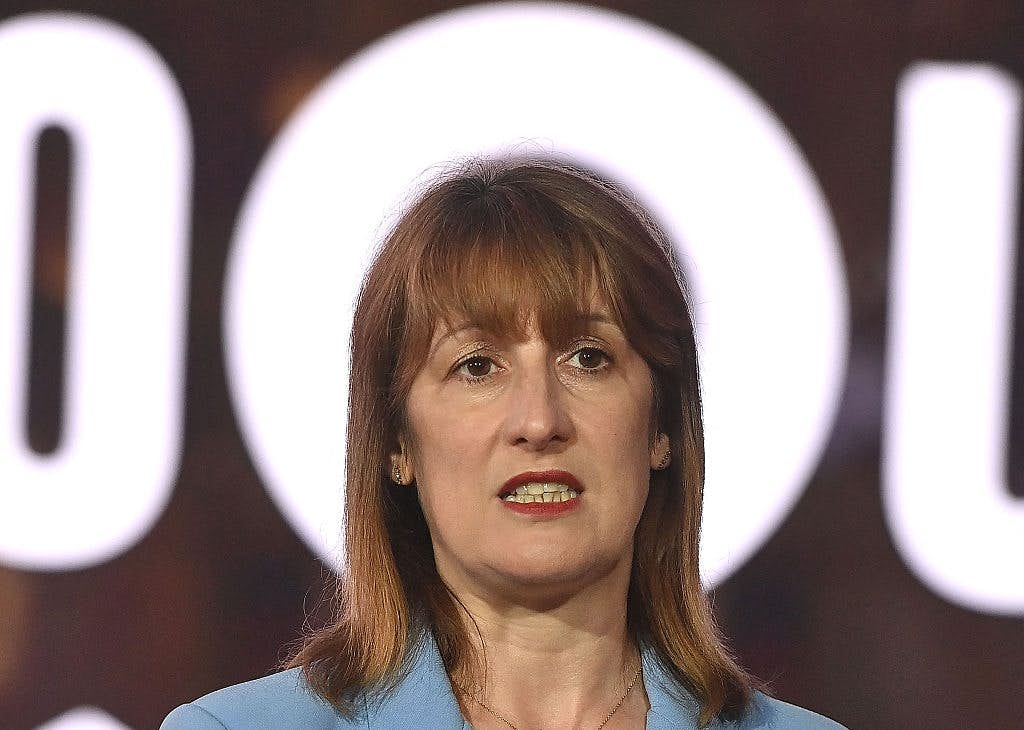
Which brings us back to Rachel Reeves. In her recent speech, she solemnly told the nation that “we must all do our bit” and that “each of us must contribute to the security of our country.”
The immediate reaction from most working families is simple: Why should I? What exactly am I getting for it? And they’re right to ask those questions.
Why should any family accept another tax hike while illegal migrants live in taxpayer-funded hotels? Why should pensioners lose the winter fuel payment while millions are funnelled into net-zero projects abroad? Why should workers see their take-home pay shrink while others check out entirely and live comfortably on benefits?
Politicians need to confront the areas of spending long protected by political cowardice
And that is the heart of the issue. It isn’t that Britons are inherently selfish or resistant to reform; it’s that they already feel like they’re doing more than their fair share. The social contract between taxpayer and state, the understanding that if you work hard and play by the rules, you’ll get fairness and security in return, is fundamentally broken. Until politicians grasp this, little to nothing will ever change
Politicians need to confront the areas of spending long protected by political cowardice: ending the hotel farce for illegal migrants, slashing wasteful foreign aid, fixing the bloated welfare system, and bringing real accountability into public spending. Only then can any government credibly ask the public to make sacrifices or advocate for larger reforms.
Hardworking taxpayers no longer believe the state is on their side. They no longer believe that the tax they pay is leading to anything better. And they certainly don’t believe that the political class lives by the same rules it imposes on everyone else.
Until that gap is closed, Britain will drift further into resentment, disillusionment and decline. Tax hikes will fail, cuts will fail, and reforms will fail because the public will simply refuse to accept them.
Taxpayers are perfectly entitled to ask the question that Westminster continually avoids: who exactly are we doing all this for, and why should we keep paying for a system that no longer seems to benefit the people actually paying the bills?