This article is taken from the November 2025 issue of The Critic. To get the full magazine why not subscribe? Get five issues for just £25.
Every writer dreams of an ongoing series. The return of beloved characters and inspired protagonists brings the chance to test them anew. But repeated revisits also bring their own challenges. How much backstory does the reader or viewer need to understand what is happening? And how much is too much for the veteran fan who needs no context or explanation? Beyond these creative conundrums there is a greater hazard — that over-familiarity breeds boredom.
Season five of Slow Horses, now showing on Apple TV+, gets off to a predictable start. Not in terms of action — it starts with a murderous terrorist attack in London. A shooter opens fire on numerous passers-by before a sniper blows his head off. The sniper is not a police officer but another bad guy. But after the action the episode lurches into a familiar torrent of F-words as Jackson Lamb, the greasy-haired, rancidly flatulent, scathing Slow Horses’ boss, swears at his charges.
The stream of abuse, which carries on through the series, all feels a bit tired and pre-baked. The show is an adaptation of Mick Herron’s bestselling books about disgraced MI5 officers who have been put out to grass in Slough House, in a dreary part of central London. Meanwhile MI5 itself glories in a fabulous state-of-the-art HQ in Regent’s Park, known as The Park.
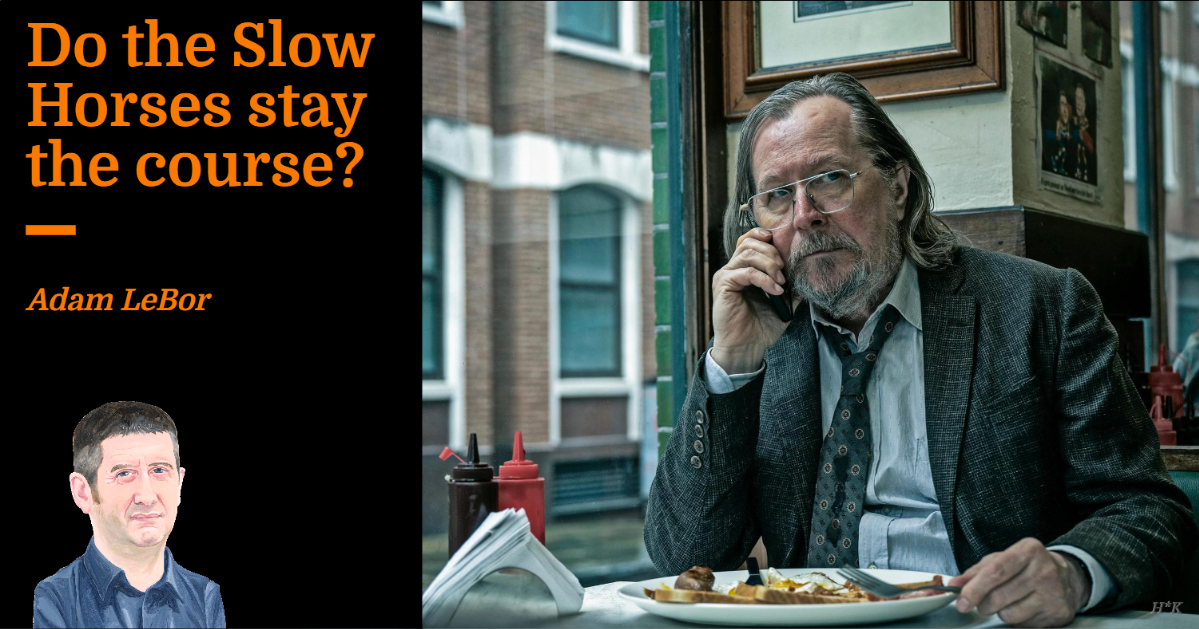
Swearing aside, Gary Oldman continues to deliver a powerful performance as Lamb. The series has only been shown since 2022, whilst the first book was published in 2010. But Lamb, together with James Bond and Le Carré’s Smiley, has entered popular folklore.
Like Dad’s Army, Slow Horses is quintessentially British. It almost relishes failures and messy outcomes but also celebrates a determination to, as Winston Churchill said, “Keep buggering on.”
When Oldman was knighted recently, Prince William joked, “I just want to give you a good wash.” Presumably there was no farting at the palace.
The fight scenes are very well-choreographed, although the ability of Shirley Dander, energetically played by Aimee-Ffion Edwards, to stagger away from such extreme violence tests the viewer’s credulity. A deeper problem is that the creative energy dissipates through too many storylines.
The basic plot, that Arab bad guys are trying to kill bring down London is solid enough. But there is also a crude threat to expose Claude Whelan, the useless head of MI5, whilst the identikit progressive mayor of London, Zafar Jaffrey, has to contend with his son signing up with a bunch of eco-terrorists.
Meanwhile MI5 is still fighting its ongoing war against Slough House, and locks down everyone working there.
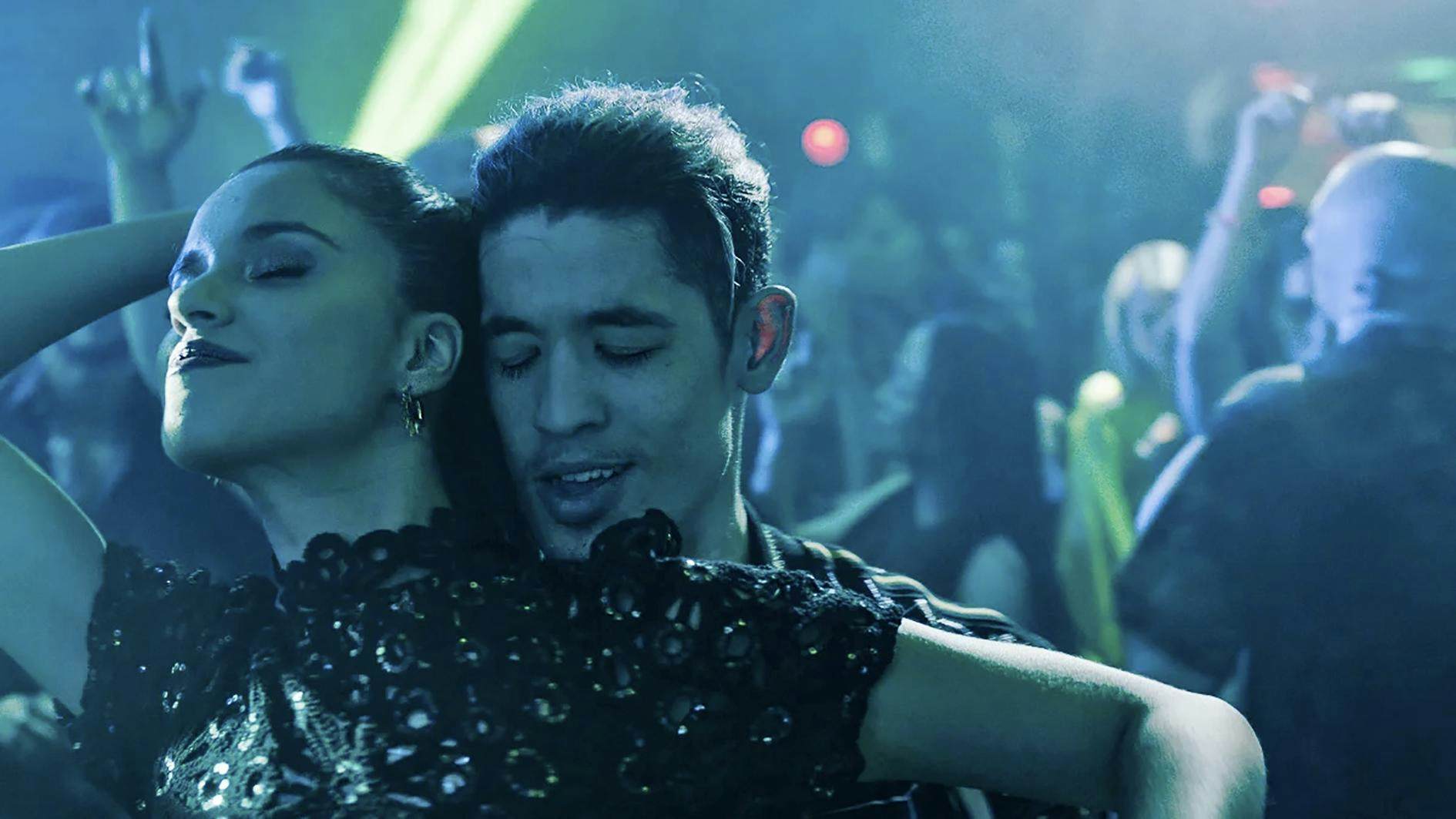
Some characters are verging on self-parody, especially Roddy Ho, manically played by Christopher Chung. We’ve known from the first series that Ho is a dork — self-obsessed, vain and over-confident — and too stupid to realise that Tara, his new sort-of-girlfriend (she does not actually sleep with him) is spying on him, even when he narrowly escapes being killed.
When Ho is detained in a grim concrete cell at the Park, he climbs the walls, more Spiderman than Slow Horse. Diana Taverner, a senior MI5 officer rendered ever more glacial by Kristin Scott Thomas, soon punctures Ho’s manic energy when she interrogates him about Tara.
Meanwhile the rest of the Slow Horses break out of their lockdown. Now it’s the turn of the enraged MI5 agents to be rendered immobile. Quite where all this is going is not quite clear yet — there is only one episode a week — but hopefully season five will not end in a creative cul-de-sac.
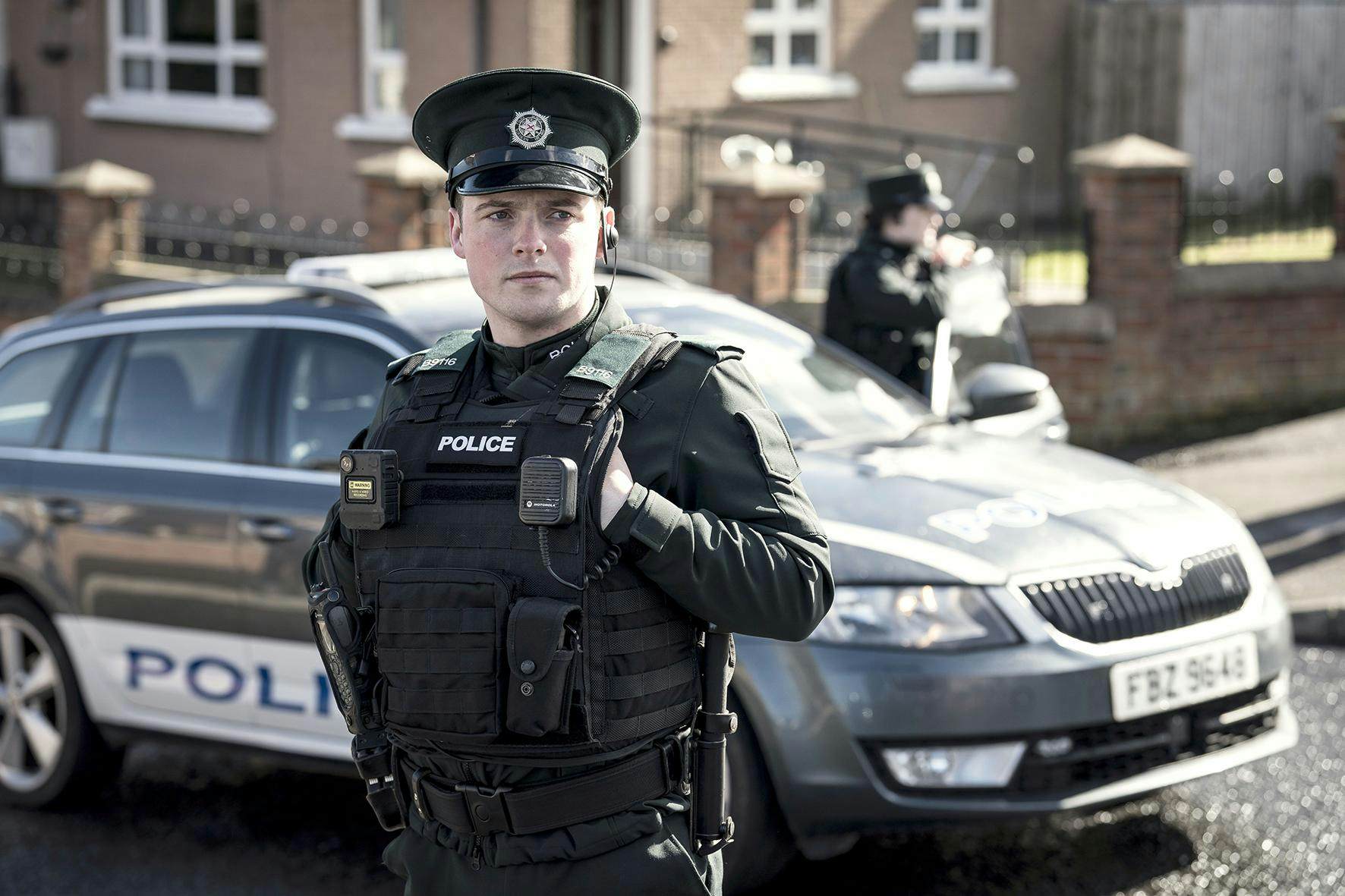
Across the water in Northern Ireland, Blue Lights is back for a third season. I am a huge fan of this police series which deservedly won Best Drama Series at the 2025 BAFTA awards. It still retains a freshness and immersive appeal.
Even at its best, the story arena of Slow Horses — MI5, London, terrorism etc — feels familiar. Blue Lights takes the viewer deep into a world unknown to many of us.
Some scenes are haunting: a teenage boy waiting with his parents to be kneecapped by the IRA; a veteran police officer still terrified by the dark compromises he made in the years called by some “The Troubles” and by others “The Dirty War” when the state colluded with informers in both sides’ paramilitary groups.
This time the writers Declan Lawn and Adam Patterson build on the first two seasons to create a more immersive world. The story opens with one of the city’s social elite overdosing in a plush private members’ club and then dives deep into the violent world of cocaine dealing and organised crime.
The real strength of Blue Lights is the depth and complexity of the characters and their loyalty to each other. They want to do good but sometimes mess up. They are brave, sometimes foolhardy and short-tempered — in short, intensely human.
The good news is that after multiple episodes of “Will they, won’t they” everyone’s favourites Grace and Stevie, touchingly played by Siân Brooke and Martin McCann, are now together. I hope it lasts, but in a series whose writers are not afraid to kill off beloved characters, there are no guarantees. Nor should there be.