
BRITS have been told to brace themselves for one of the “worst flu seasons in a decade” with a new “deadly” strain driving a surge in cases.
Children in particularly have been getting “very, very ill”, doctors have warned.

Flu season has arrived earlier than usual this year – a month earlier than expected, according to the NHS.
And with Australia having endured its worst flu season on record – with more than 410,000 cases – experts say it’s an accurate predictor of that the UK can expect.
Health officials say a “drifted” influenza A (H3N2) strain, also known as subclade K, is to blame, as it currently dominates cases in England.
With rising rates of hospital admissions among younger children, doctors are urging parents to get their kids protected.


Dr Helen Stewart, RCPCH officer for health improvement, said: “This year it’s looking like a particularly bad season – rates of flu are much higher at this point than they were at this point last year.
“And we know that there’s been some changes to the flu virus circulating, which means that people might be more susceptible to infection.
“So it’s just really important that everyone gets vaccinated, because it’s looking like it’s going to be a bad year.
“No parents wants to have to take their child to hospital and be sat in a busy waiting room for ages, and the moor young people that we can protect and prevent from having to do that, the better.”
The emergency care doctor continued: “Unfortunately, it’s not just the elderly and people with chronic, long-term conditions that get flu, it can make previously very fit and well children very, very poorly. Thousands of kids needs to go to hospital because they have flu every year.
“We’re really keen that everybody gets flu vaccines. It’s not just protecting them, but protecting those around them as well – so a young child getting vaccinated could protect their elderly relatives that they come into contact with.”
Unfortunately, flu can kill children, so it’s definitely not just a bad cold, warned Dr Stewart.
She added: “The main complications that we see are pneumonia, so a severe chest infection needing breathing support, and that can tip over into sepsis and very extreme cases.
“I’ve seen some very, very sick children going to intensive care with flu.”
WHY HAS FLU SEASON STARTED EARLIER?
The early start to the flu season suggests the strain or strains in circulation are finding it easier than usual to spread about, according to Professor Adam Finn, Professor of Paediatrics, University of Bristol.
He explained: “So they are doing so before the colder weather conditions that usually signal and drive the onset of the season.
“An important possible explanation for this could be that there is less immunity than usual in the population controlling the spread of flu viruses.
“When a completely novel strain of flu that can spread between people arrives against which no one has immunity, we call it a pandemic, and very large waves of infection occur at any time of the year.
But sometimes a new strain develops that isn’t entirely new but sufficiently new to enable it to spread more efficiently because our immunity from previous infections and vaccinations is not that well matched.
“This is what may be happening this year as one of the strains of influenza A that we are familiar with – called H3N2 – seems to have acquired several new mutations over the summer and is responsible for many of the flu cases showing up now.”
The other reason why the early start of this year’s flu season is a worry is there hasn’t been enough time yet for a lot of people to get vaccinated.
Prof Finn continued: “The children’s programme kicked off in September and the adult programme in October. Usually, November is a month when a lot of people get the vaccine before the infections start to spread in December and January.
“Even though this new strain of H3N2 has arrived and it is different from the H3N2 strain in this year’s vaccines, they should provide some degree of protection against this strain and certainly against the other flu strains that may be coming through as the winter goes on.
The bottom line is that it’s looking possible that we may be facing a very bad flu season this year and the best thing we can all do right now to tackle the problem is to get vaccinated.”
GETTING VACCINATED
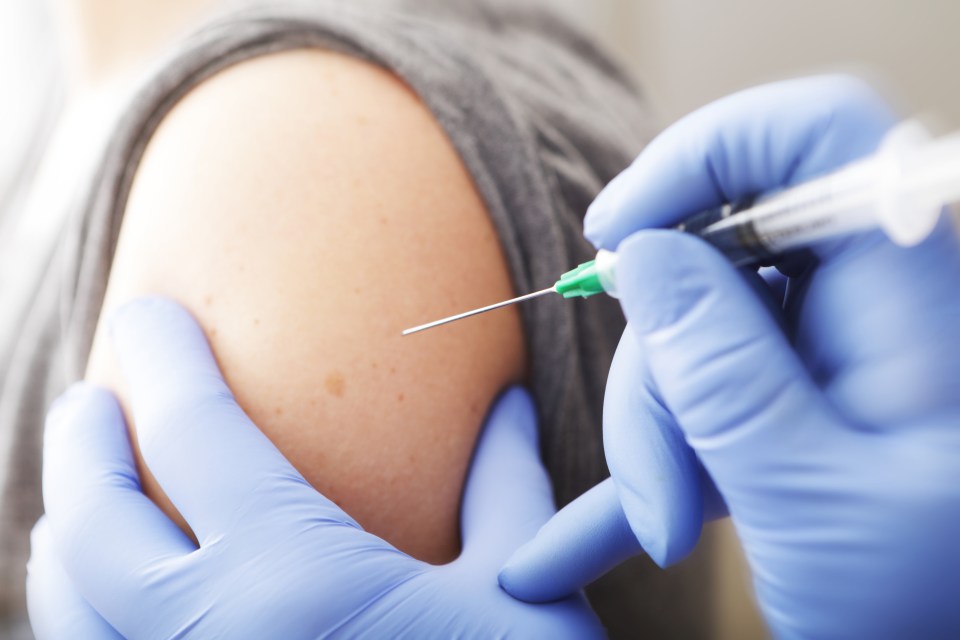
New data published by the UK Health Security Agency (UKHSA) shows the 2025/26 vaccine is currently 70 to 75 per cent effective at preventing hospital attendance in children aged two to 17 years and 30 to 40 per cent effective in adults.
It says: “The early findings confirm the vaccine provides important protection even though a drifted influenza A(H3N2) strain…so the protection levels observed in children are particularly encouraging this year.”
Eligible groups for the NHS flu vaccine include children aged two to 17, adults aged 65 and over, pregnant women, and those with certain health conditions.
If you are not eligible for a free flu vaccine under the NHS, you can still receive the vaccine by accessing private healthcare options.
Many pharmacies and some private clinics offer the flu vaccine for a fee.


Pharmacies like Boots, LloydsPharmacy, and Superdrug provide vaccination services, often without the need for an appointment.
This can be a convenient option if you are unable to receive the vaccine through the NHS.
WHEN FLU MIGHT BE SERIOUS
ASK for an urgent GP appointment or get help from NHS 111 if:
You or your child have symptoms of flu and:
- you’re worried about your baby’s or child’s symptoms
- you’re 65 or over
- you’re pregnant
- you have a long-term medical condition – for example, diabetes or a condition that affects your heart, lungs, kidneys, brain or nerves
- you have a weakened immune system – for example, because of chemotherapy or HIV
- your symptoms do not improve after seven days
You can call 111 or get help from 111 online.
Call 999 or go to A&E if you:
- get sudden chest pain
- have difficulty breathing
- start coughing up a lot of blood
Source: NHS