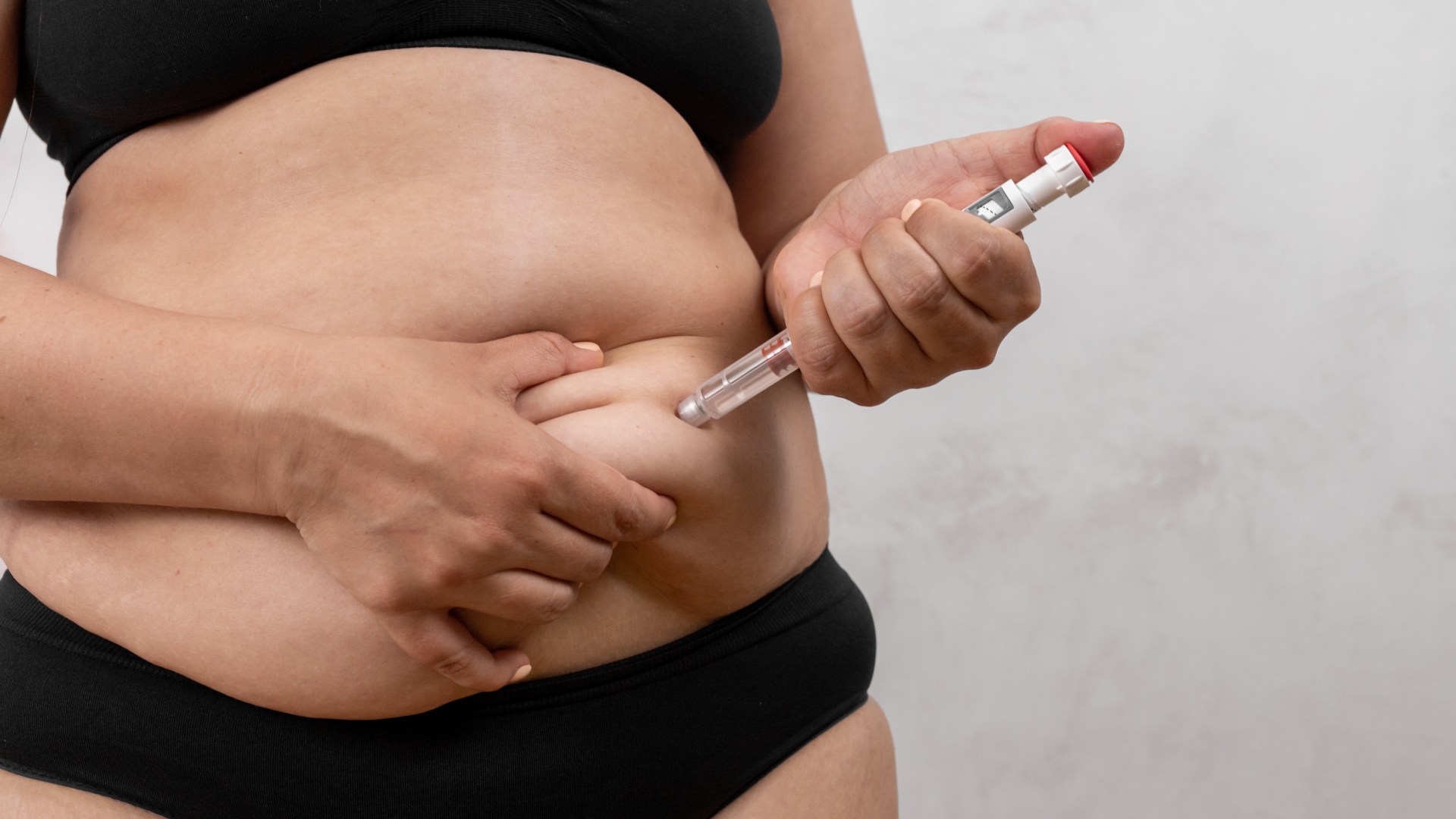
A NEW weight loss drug may offer a tempting alternative to popular GLP-1 drugs like Ozempic and Wegovy.
The once-weekly injection has been shown to be as effective as Mounjaro – but patients don’t experience one of the least-favourable side effects of weight loss jabs.
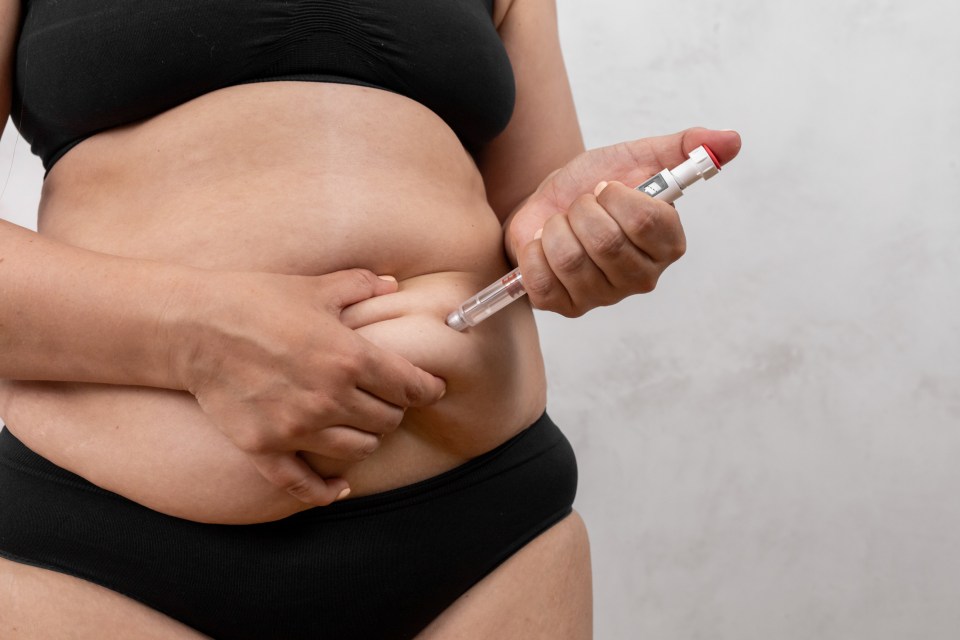
Eloralintide, an amylin analog injection that’s been produced by Eli Lilly and Company, imitates the body’s natural production of the blood sugar-regulating hormone amylin.
And like with Mounjaro, patients can lose up to 20.1 per cent of their body weight while using the treatment.
But it’s use may also lead to a lower loss of lean muscle mass, compared to Ozempic, Wegovy, and other weight loss drugs.
The new study has been undergoing an 11-month Phase 2 trial, including 263 participants who are overweight or living with obesity.
Read more on weight loss jabs

Patients also showed improvements in blood pressure, blood sugar, and markers of inflammation.
Dr Liana Billings, Director of Clinical and Genetics Research in Diabetes and Cardiometabolic Disease at Endeavor Health, said: “Obesity is a complex condition, and no single treatment works for everyone.
“To truly address each patient’s needs, we need therapies with different mechanisms of action so that each person can receive the treatment that offers the best balance of effectiveness and tolerability for them.”
There were some adverse events reported in people taking the drug – the most common side effects were mild to moderate gastrointestinal symptoms and fatigue.
The company said it will begin enrolling Phase 3 clinical studies of eloralintide next month.
In the early-stage trial, Lilly’s drug helped patients lose more than 11 per cent of their body weight at 12 weeks.
During the mid-stage trial, patients taking a 1mg dose of eloralintide lost 9.5 per cent or 10.2kg, and 20.1 per cent or 21.3kg when using the highest 9mg dose.
While weight loss jabs have been shown to be an effective way to lose weight, they can cause muscle loss.
It’s common to lose both and muscle when losing weight rapidly.
A study on semaglutide (marketed as Ozempic and Wegovy) shows up to 40 per cent of total weight loss can come from lean mass, including muscle.
However, some studies suggest the weight loss is more often from fat than muscle, and this loss can be minimised through a combination of a high-protein diet and regular strength training.
Everything you need to know about fat jabs
Weight loss jabs are all the rage as studies and patient stories reveal they help people shed flab at almost unbelievable rates, as well as appearing to reduce the risk of serious diseases.
Wegovy – a modified version of type 2 diabetes drug Ozempic – and Mounjaro are the leading weight loss injections used in the UK.
Wegovy, real name semaglutide, has been used on the NHS for years while Mounjaro (tirzepatide) is a newer and more powerful addition to the market.
Mounjaro accounts for most private prescriptions for weight loss and is set to join Wegovy as an NHS staple this year.
How do they work?
The jabs work by suppressing your appetite, making you eat less so your body burns fat for energy instead and you lose weight.
They do this my mimicking a hormone called GLP-1, which signals to the brain when the stomach is full, so the drugs are officially called GLP-1 receptor agonists.
They slow down digestion and increase insulin production, lowering blood sugar, which is why they were first developed to treat type 2 diabetes in which patients’ sugar levels are too high.
Can I get them?
NHS prescriptions of weight loss drugs, mainly Wegovy and an older version called Saxenda (chemical name liraglutide), are controlled through specialist weight loss clinics.
Typically a patient will have to have a body mass index (BMI) of 30 or higher, classifying them as medically obese, and also have a weight-related health condition such as high blood pressure.
GPs generally do not prescribe the drugs for weight loss.
Private prescribers offer the jabs, most commonly Mounjaro, to anyone who is obese (BMI of 30+) or overweight (BMI 25-30) with a weight-related health risk.
Private pharmacies have been rapped for handing them out too easily and video calls or face-to-face appointments are now mandatory to check a patient is being truthful about their size and health.
Are there any risks?
Yes – side effects are common but most are relatively mild.
Around half of people taking the drug experience gut issues, including sickness, bloating, acid reflux, constipation and diarrhoea.
Dr Sarah Jarvis, GP and clinical consultant at patient.info, said: “One of the more uncommon side effects is severe acute pancreatitis, which is extremely painful and happens to one in 500 people.”
Other uncommon side effects include altered taste, kidney problems, allergic reactions, gallbladder problems and hypoglycemia.
Evidence has so far been inconclusive about whether the injections are damaging to patients’ mental health.
Figures obtained by The Sun show that, up to January 2025, 85 patient deaths in the UK were suspected to be linked to the medicines.