
★★☆☆☆
Some of us remember a time when November landed with a thump of label adverts, big wodges of glossy pages that promised nirvana in the form of symphonic cycles from eminent maestros and piano sets from timeless immortals. Yeah, so last century… All we have now is a flutter of ephemeral pianists in concept albums of music that does not necessarily feel fully conceived.
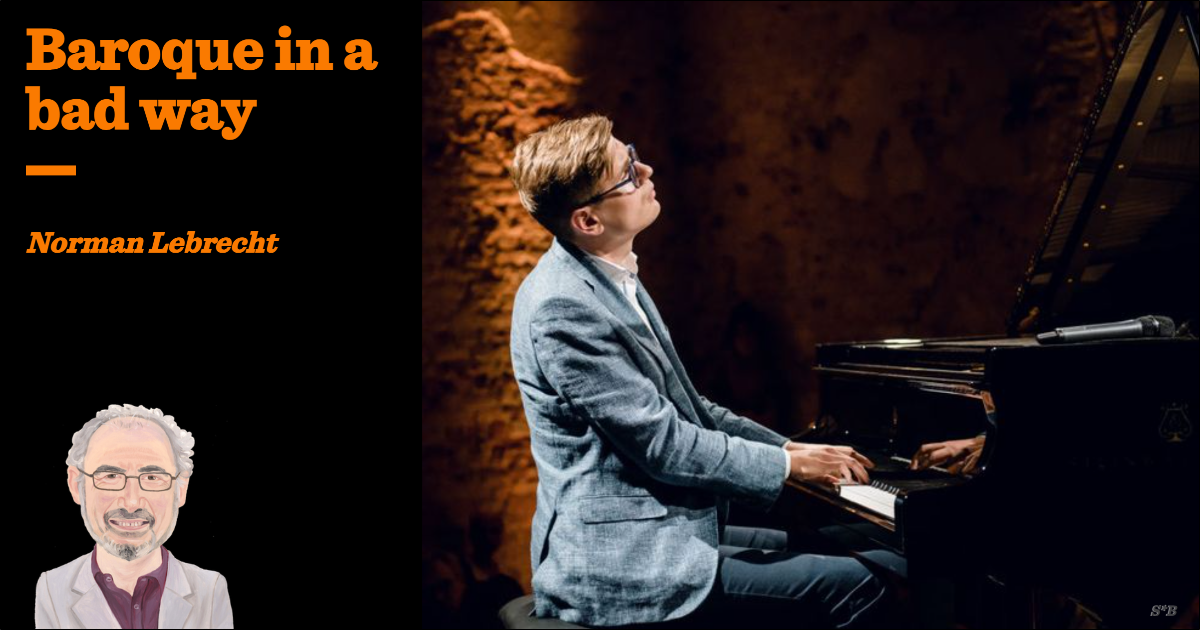
Such is the case with the Icelander Vikingur Olafsson, a thoughtful man who tackles large themes — one year Debussy and Rameau, another Mozart’s contemporaries. Olafsson has spent the last two years touring Bach’s Goldberg’s Variation no fewer than 88 times around the world while dropping heavy hints that he was heading into late Beethoven. Was it worth the wait?
The result is uninspiring. Olafsson has sandwiched Beethoven’s 27th sonata, opus 90, and the 30th, opus 109, between snippets of Bach and a lesser-known sonata of Franz Schubert. The idea, he says, is to project Beethoven back to a primal source and forward to a budding admirer. Of the two pairings, Schubert’s E minor sonata (D566) sits quite well, preceding Beethoven’s monumental assertions with a somewhat hesitant effort of adoration, a twitchy curtain raiser. Schubert emerges from late Beethoven enhanced by the compliment, and Beethoven comes up unharmed.
The Bach insertions, however, distract. They sound baroque in a bad way, decorative and pastel-hued, requiring Olafsson to tone down Beethoven to their dynamics. The opus 90 survives well enough, but 109 needs to roar an awful lot more than the Icelander permits, or is able. He is not a noisy pianist; his ffs are apologetic, far from overwhelming. The introspective finale of opus 109 is a real mismatch with Bach’s French suites. Olafsson’s admirers may feel differently, but neither of these sonata interpretations will find a permanent place on my shelves.