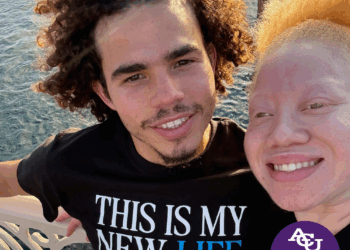
Former Love Island star Sharon Gaffka has hit out at proposals for a ‘taxi tax’ and cautioned it will risk women’s safety.
The 29-year-old reality TV star issued the warning to Chancellor Rachel Reeves ahead of her Budget later this month.
The Treasury has refused to rule out slapping 20 per cent VAT on private hire fares as Ms Reeves looks to fill a multi-billion pound black hole in the public finances.
It has sparked speculation the Chancellor will clobber cabbies and their passengers on 26 November.
Industry experts reckon a ‘taxi tax’ would raise £750million a year for the Treasury – but would add £2 to £3 to a typical £12 journey.
Gaffka, a women’s rights campaigner, urged Ms Reeves not to do anything that hikes the cost of taxis as it would put more vulnerable people at greater risk.
She pointed out that many women choose to get a taxi late at night, rather than walking home in the dark or relying on public transport.
‘Women shouldn’t have to choose between feeling safe and the cost of getting home,’ she said.
New research found almost four in five women are concerned about their own or a friend or family member’s ability to get home safely at night if taxi fares go up.

Former Love Island star Sharon Gaffka has hit out at proposals for a ‘taxi tax’ and cautioned it will risk women’s safety

The 29-year-old reality TV star, who appeared on season seven of Love Island, issued the warning to Chancellor Rachel Reeves ahead of her Budget later this month
Gaffka added: ‘I know first-hand how many of us rely on taxis after a night out or a late shift because walking or taking public transport just doesn’t feel safe.
‘The idea of adding a 20 per cent taxi tax is not only unfair, it reduces choice and puts vulnerable people at greater risk.
‘If the Government is serious about reducing risks to women and girls, then it must listen and scrap this tax. Our safety should never come with a surcharge.’
At present, taxi operators outside London do not have to charge VAT on journeys because their drivers are self-employed and they typically remain under the VAT threshold by earning less than £90,000.
But Ms Reeves is eyeing a series of levy hikes as she scrambles to find revenue-raisers in order to balance the books at her upcoming Budget.
Gaffka, a former civil servant, appeared on season seven of Love Island and has since become an award-winning campaigner.
She is an ambassador for domestic violence charity Refuge and was judged to be one of the top 100 most influential women in Westminster.
New research for the ‘Stop the Taxi Tax’ campaign found 79 per cent of women are concerned about their own or a friend or family member’s ability to get home safely at night if taxi fares go up.
A survey by Strand Partners also revealed that one in three women said a taxi is the most frequent way they get home late at night.
Two-thirds of women said they feel safer returning home late at night in a minicab than walking.
And three in five women said they feel safer returning home late at night in a minicab than using public transport.
A consultation on the VAT treatment of private hire vehicles was launched under the previous Tory government following a court case.
It suggested potential changes on how private hire vehicles operate could see fares increase by around 1.25 per cent to 2.5 per cent, equating to a rise of around £2.70 to £5.60 per year for the average passenger.
The Treasury said it would not comment on tax speculation ahead of the Budget.
A spokesperson said: ‘We take this issue very seriously and recognise its complexity.
‘We are reviewing feedback from our recent consultation and will publish our detailed response shortly.’
The ‘Stop the Taxi Tax’ campaign is made up of more than 100 local minicab and private hire vehicle operators.
It is supported by charities including The Survivors Trust and Disability Rights UK.
Strand Partners is a member of the British Polling Council and conducted a nationally representative online survey of 2,000 people between 8 and 9 October.