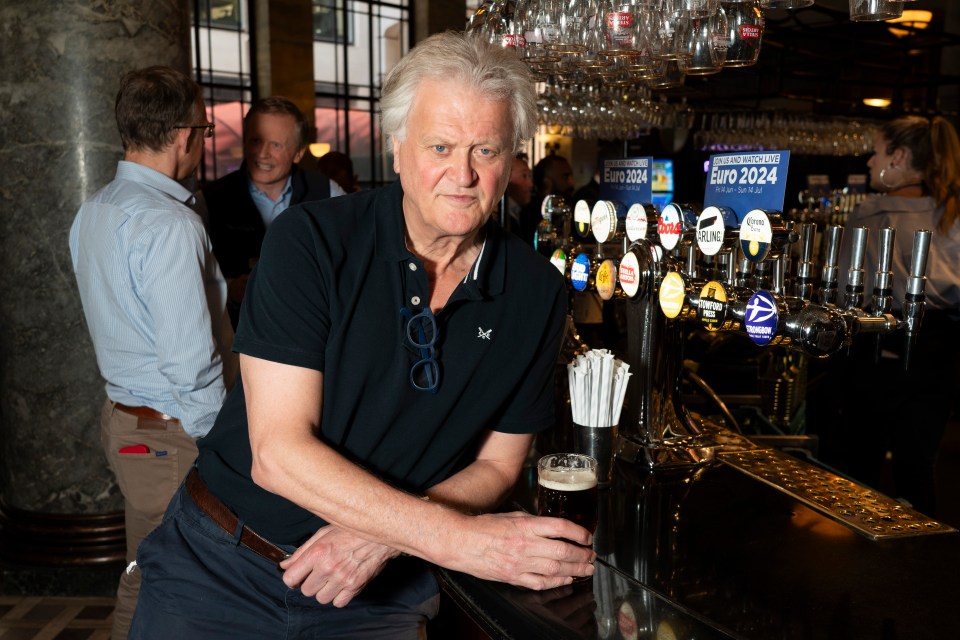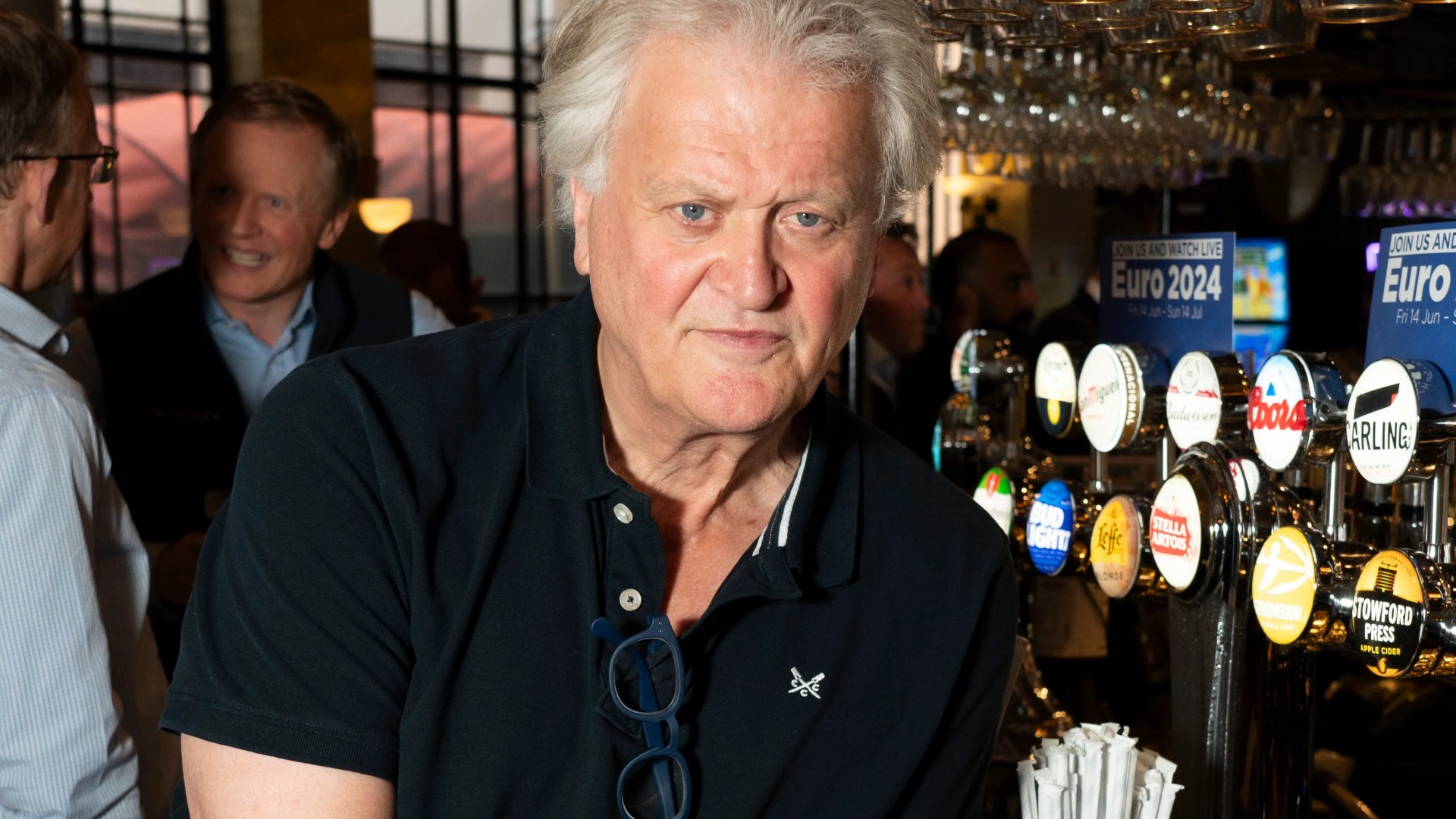
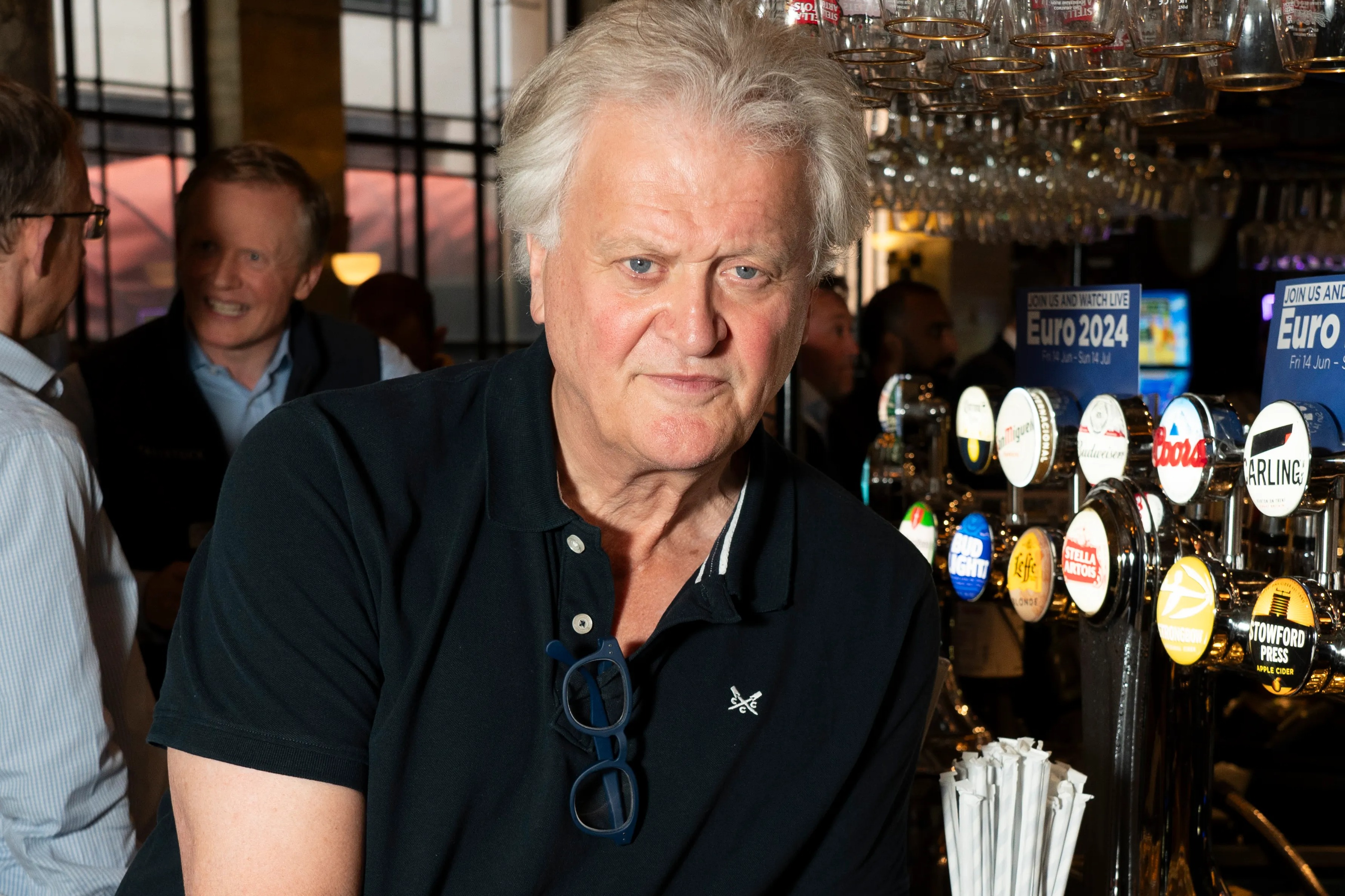
JD WETHERSPOON boss Sir Tim Martin says soaring wage bills and taxes are piling pressure on pubs to raise prices.
The pub chief said that a 10 per cent pay rise alone adds about 15p to the cost of a pint in a pub, compared with just 1.5p in a supermarket.
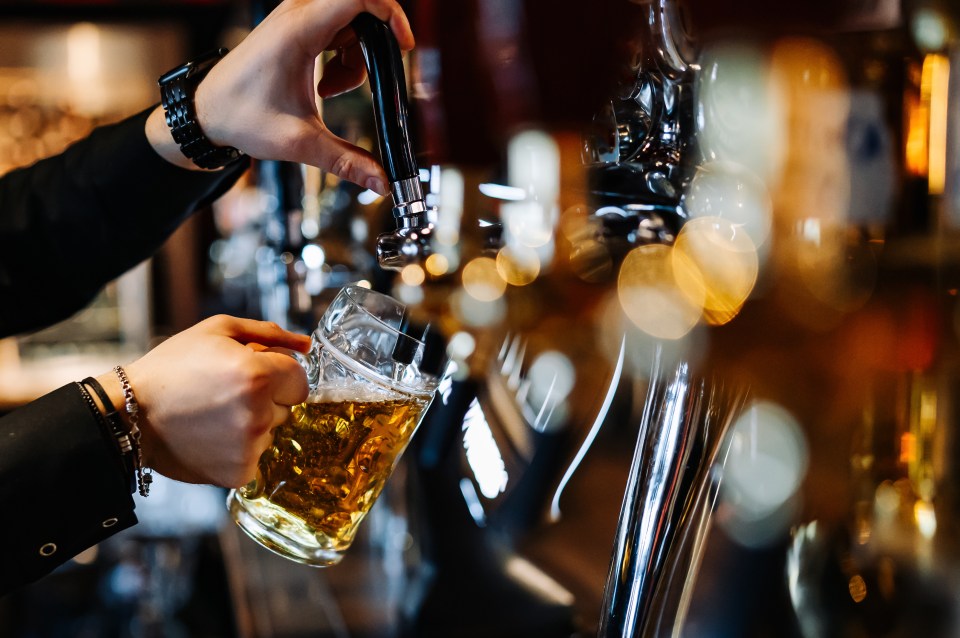
Sir Tim said that wage increases hit pubs ten times harder than grocers because employing staff makes up a massive chunk of a pub’s costs.
While shoppers just pick cans off a shelf, pub-goers need several staff to serve them their drinks.
Breaking down the maths, Sir Tim said the average pub pint now costs about £5.16.
Labour accounts for 35 per cent of the price before VAT – working out at roughly £1.50 per drink.
However, a supermarket pint costs just £1.50, with labour making up only 12 per cent of the price – a tiny 15p.
It means when wages rise by 10 per cent, pub costs soar by 15p a pint, while supermarkets barely feel a 1.5p pinch.
He said: “Increased labour costs are, consequently, dramatically widening the pricing differential between pubs and supermarkets, to the anger and consternation of customers.”
Punters have already felt the impact.
When Chancellor Rachel Reeves agreed to hike the minimum wage by 6.7 per cent from April 2025, Spoons raised some beer prices by 15p and food by up to 30p in January to cover the extra costs.
Sir Tim also slammed the “unfair” VAT gap.
Pubs must pay 20 per cent VAT on food, while supermarkets pay absolutely nothing.
He said this tax disparity is a key reason pubs have lost half their beer sales to supermarkets since 2000, according to figures from Morgan Stanley.
He warned that recent policies driving up wages and National Insurance have already hit the company with a £60million bill.
Wages are set to outpace inflation again in April 2026, with the national living wage expected to jump by roughly 4% to at least £12.70 an hour.
Sir Tim hasn’t ruled out passing these surging costs directly onto drinkers at the bar.
The chain is bracing for the Chancellor’s November 26 Budget later this month and says it is “slightly more cautious” about the year ahead.
Despite the cost headwinds, Wetherspoon continues to outpace its rivals.
Latest figures show like-for-like sales jumped 3.7 per cent in the first 14 weeks of the financial year to November 2, with bar sales roaring ahead by 5.7 per cent.