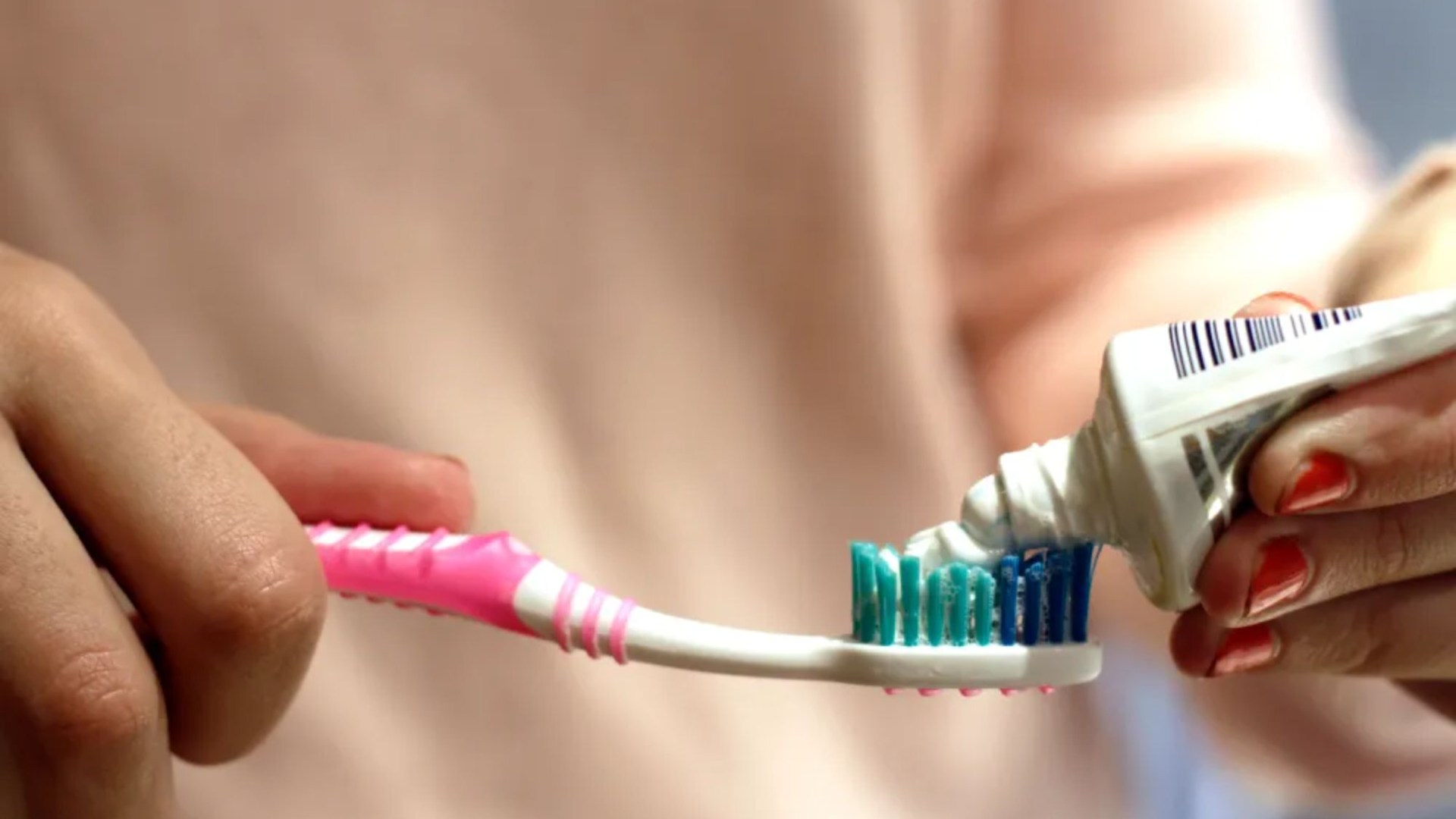
WHEN IT comes to oral hygiene, most of us follow the general rule of brushing our teeth twice a day – once in the morning and once at night.
But key mistakes could be undoing your work, even if you’re fitting in your twice-daily scrub, dental experts warn.

The timing of your brushing is also key.
Yes, brushing your teeth after breakfast will get rid of your coffee breath and dig out stray bits of cereal from your molars.
But doing it straight after breakfast risks eroding your tooth enamel, rendering your pearly whites not so pearly.
So, here’s when you should actually be brushing your teeth, plus other oral hygiene mistakes you don’t realise you’re making.
1. Twice-daily isn’t always best
Brushing our teeth twice a day is something many of us do without thinking.
The NHS even recommends it.
But rushing through your teeth-brushing routine could be your downfall, experts explain.
Nyree Whitley, Chief Clinical Officer at mydentist, tells The Sun: “With life being so busy, it can be easy to rush your brushing routine in the morning or evening – particularly if you’re late for school or work, for example.
“However, brushing your teeth too fast can mean that you’re not actually cleaning your teeth properly, or that you could injure your gums or teeth.
Dr Praveen Sharma, from the school of dentistry at the University of Birmingham, says the real key is quality, not quantity.
He tells the BBC: “If you can find time, then yes, [brush your teeth] twice a day.
“But it’s better to do it once a day well rather than twice quickly.”
Nyree says you should be brushing your teeth for a full two minutes, twice a day.
“If you’re struggling to squeeze the time in, try playing a song that is two minutes long, or set a timer on your phone for ease,” she recommended.
But if you do end up brushing just once in your day, you should be doing it in the evening, Dr Sharma says – and it’s essential you floss in that case.
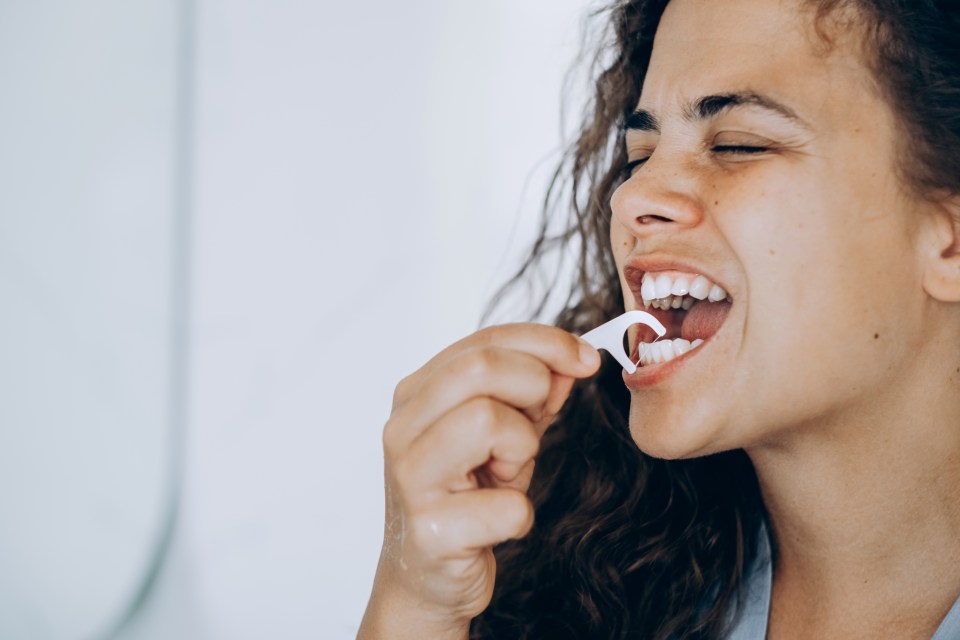
Flossing can seem like a real faff, so if fiddling with bits of thread isn’t for you, try using interdental brushes.
The rubber ones in particular can make it easier and less painful.
When it comes to the method, make sure you’re brushing all the parts of your teeth – each one has an outer, biting and inner surface.
Dr Sharma advises using small circular motions over each surface without applying too much pressure and paying particular attention to the point where the tooth and the gum meet.
2. Never brush after brekkie
As mentioned, brushing straight after breakfast probably isn’t doing your enamel any favours.
So you should ideally be brushing before your meal, not after.
Nyree says: “Though eating breakfast can surpass brushing our teeth in our morning routine, it is wise to brush your teeth before you eat to protect your teeth.
“After you’ve eaten, your teeth need a little time to remineralise.
“This is particularly the case when you’re consuming foods or drinks high in acidity such as orange juice or jam.
“If you brush your teeth less than an hour after eating, you’re more at risk of erosion to the enamel of your teeth.
“If you prefer to brush your teeth after you’ve eaten, try to wait for an hour before doing so to avoid enamel erosion.”
3. The same goes for booze
Had that last sip of wine before heading to bed?
Sadly, you’ll have to once again delay brushing your teeth.
Nyree says: “Drinks containing alcohol are high in acidity, which temporarily softens your enamel.
“If you brush your teeth too soon after consuming alcohol then you’ll spread the acid around and could cause damage to your enamel, which is crucial in shielding your teeth from damage and staining.
“If you do have a drink before bedtime, I’d recommend waiting for 30 minutes before brushing your teeth to minimise this.”
4. Don’t rinse after brushing
It’s probably instinct to rinse your mouth with water after spitting out your toothpaste.
But dental experts advise you skip that last step.
That’s because rinsing your mouth washes away the fluoride coating your teeth from the remaining toothpaste in your mouth.
“You spit but don’t rinse,” Dr Sharma says.
That means simply spitting out the excess toothpaste and leaving the thin layer of fluoride behind to continue protecting your teeth.
How to brush your teeth the right way
IT can sometimes be hard to know how to look after your teeth beyond brushing them twice a day.
Thankfully, Faizan Zaheer, from Bupa Dental Care, previously shared his advice on how to keep teeth in tip-top condition.
BRUSH UP ON STORAGE: Good toothbrush hygiene means keeping it somewhere for it to dry out — and that’s not the bathroom.
Faizan said: “Toothbrushes that stay moist for an extended period encourage bacterial growth.
“Keep your toothbrush holder away from the toilet and sink.
“Flushing can create an aerosol effect, spraying germs in the air.”
It is also a good idea to change your brush every three to four months.
TWO-MINUTE CLEAN: Brush your teeth for two minutes, morning and evening, with a fluoride toothpaste.
“If you are very good at brushing, then plaque will not build up, so there will be fewer spots for bacteria to produce acid and cause decay,” says Faizan.
Brushing too hard can wear away the enamel on your teeth, so use light pressure in a small, circular motion.
DON’T RINSE: It is best to just spit out toothpaste after cleaning.
Faizan says: “People tend to rinse their mouths after brushing.
“However, this causes the removal of fluoride from the teeth, which means it can’t benefit by strengthening the minerals in the enamel.”
Rinsing with mouthwash is another habit to drop.
Faizan says: “It usually has a lower fluoride concentration than toothpaste.
“Therefore, it will dilute the fluoride concentration in the mouth if used after brushing.”
Wait a minute after brushing before using mouthwash, or find another time in the day.
FLOSS: Using floss or small interdental brushes removes bacteria between your teeth.
Faizan says: “Put the dental floss between two teeth and while holding it firmly against one tooth, slide it up and down.
“Repeat while holding the floss against the other tooth in the gap.
“As the floss reaches your gums, carefully slide it below the gum line to get those hard-to-reach places.”
5. Don’t use the same toothbrush for too long
Switching out your toothbrush can be an afterthought, but making sure you do so can make a different to your smile.
Nyree says: “Changing your toothbrush regularly will make sure that your teeth can be properly cleaned.
“Over time, the bristles on our toothbrushes soften and aren’t as effective, so you should ideally aim to change your toothbrush or electric toothbrush head once every three to four months to prevent this.”
6. Don’t forget your retainer
Your teeth aren’t the only things you should be cleaning.
Nyree says: “Two of the items people often forget to clean regularly is their retainer and dentures.
“You can purchase over the counter denture cleaner to do this from pharmacies, and if you pop your dentures or retainer in water with the denture cleaner for around twenty minutes, they’ll come out sparkling.
“This will help to keep any harmful bacteria at bay and minimise the chance of developing any unwanted infections in your mouth.”
7. Stay hydrated
While sipping on water can quench thirst and even boost concentration, you might not think it has much to do with the health of your teeth.
But Nyree says staying hydrated can “go a long way to protect your oral health”.


“When we don’t get enough hydration, our mouths can become dry which creates an environment in which bacteria can thrive more, and could lead to damage such as decay,” she explains.
“Drinking water will help to flush out food particles and bacteria from the teeth, particularly after eating meals.”