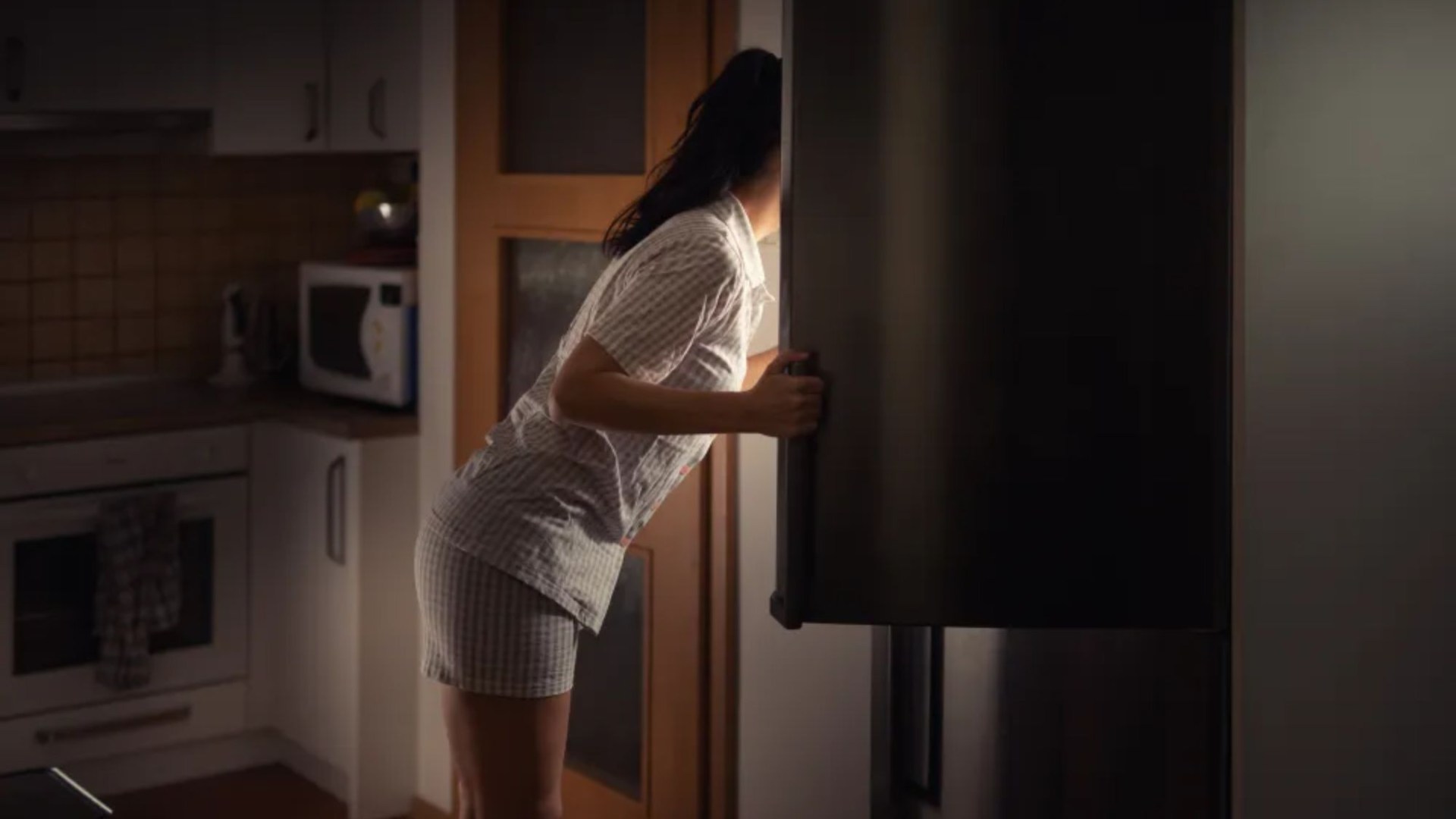
DO you find yourself raiding the cupboard for nibbles on the daily?
The type of foods you’re choosing could be triggering a vicious snacking cycle, scientists say – causing winter weight gain as you reach for high-calorie morsels.
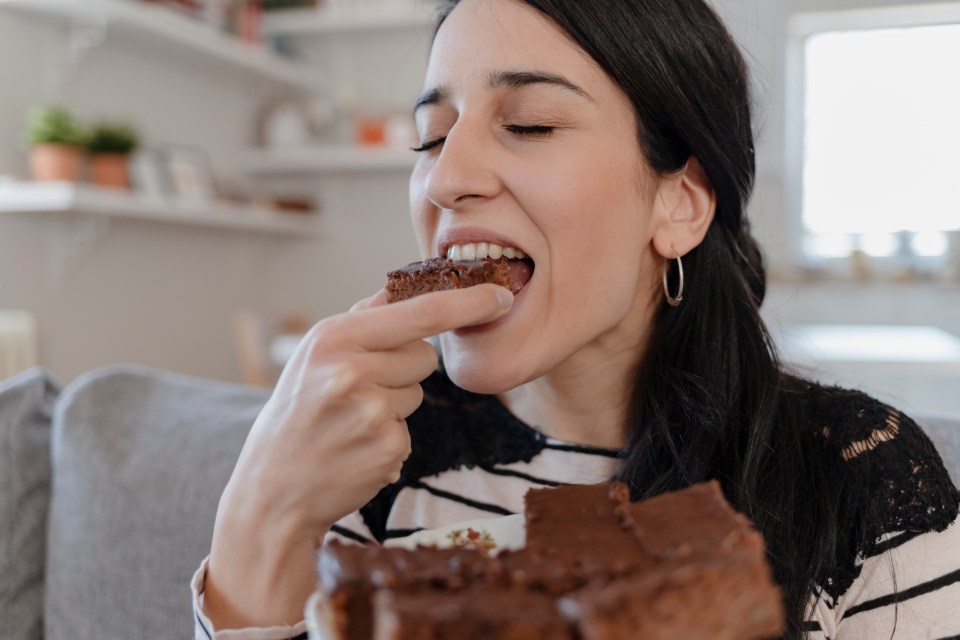
It’s not uncommon to find yourself mindlessly grazing more as the days get shorter and colder.
Up until recently, scientists thought our snacking cues were caused by the length of day.
For example, research on bears shows they gorge on berries and nuts during the summer – when the days get longer – in order to shore up for their winter fast as they hibernate.
But now, a study from UC San Francisco shows snack cravings may have more to do with the kinds of fatty foods we eat.


There are two types of fat. Saturated – found in animal sources such as meat, butter, cheese and cream – and unsaturated, found in fish and nuts.
The body needs small amounts of fat to function healthily and absorb essential vitamins.
But too much – especially saturated – can be converted into body fat, causing weight gain.
UC San Francisco scientists suggest that saturated fat affects a protein called PER2, which controls fat metabolism.
Depending on how much saturated fat is being consumed, this protein may either tell the body to burn fat or store it.
What does this have to do with winter and snacking, you may ask?
As summer approaches, plants begin producing more saturated fat.
In mammals, this triggers PER2 and encourages the body to store energy in the form of fat that it will use in winter, when there is less food.
As autumn approaches, plants produce more unsaturated fat, which helps them function better in chilly conditions.
Eating more ‘healthy’ fat signals to the body that summer is coming to an end and prepares it to use its fat stores.
Researchers say this may have implications for our own winter snacking tendencies.
Postdoctoral scholar Dan Levine said: “That one holiday cookie could turn into two cookies the next day, because you’ve now tricked your circadian clock into thinking it’s summer.”
The study – published in the journal Science and led by Louis Ptacek, professor of neurology – was conducted on mice, studying how fat and daylight hours affected their eating patterns.
The researchers simulated different seasons, exposing the mice to 20 hours of light a day to simulate summer, and 20 hours of dark for winter.
Fatty foods to avoid in winter
Researchers suggested avoiding foods high in saturated fat during the winter time to curb cravings.
Saturated fats are found in many foods, both sweet and savoury.
Most of them come from animal sources, including meat and dairy products, as well as some plant foods, such as palm oil and coconut oil.
Foods high in saturated fats:
- Fatty cuts of meat
- Meat products, including sausages and pies
- Butter, ghee, and lard
- Cheese, especially hard cheese like cheddar
- Cream, soured cream and ice cream
- Some savoury snacks, like cheese crackers and some popcorns
- Chocolate confectionery
- Biscuits, cakes, and pastries
- Palm oil
- Coconut oil and coconut cream
Source: NHS
Mice that ate a diet not too high in fat or calories adapted easily to the seasonal changes.
As the nights got longer, they began to run on their exercise wheels as soon as it got dark, which is normal behaviour for a nocturnal mouse.
In contrast, mice that ate a high-fat diet couldn’t wake up and start running until a few hours after darkness set in.
Next, the team compared the effect of food rich in unsaturated fats – like seeds and nuts – to food high in saturated fat, found in processed foods.
Mice eating more saturated fat didn’t adjust well to dark winter days, getting up and running much later than mice eating unsaturated fats.
Dr Levine said: “These types of fats seem to prevent mice from being able to sense the early nights of winter.


“It begs the question of whether the same thing is happening for people snacking on processed food.”
He advised resisting the urge to graze on fatty treats, especially in the winter.