FORGOTTEN the name of someone you met just hours ago? Or can’t remember where you put your car keys?
It’s easy to blame your ageing brain, but that might not be the reason for your fading memory.
There is emerging evidence that the brain can be scrambled in a mere few days after eating fatty foods.
Research by the University of North Carolina last month discovered that a high-fat diet can ‘rewire’ the memory of mice in just four days.
Cells in the brain’s memory hub, the hippocampus, became overly active after eating the equivalent of cheeseburgers and chips, which disrupted its usual processing.
And a fat-filled diet was linked to an increased risk of Alzheimer’s in a study by University of Rovira i Virgili.
Mice fed a 60 per cent fat diet over six months experienced changes in molecular markers which affected memory and thinking and are associated with the brain-robbing disease.
Although carried out on animals, these results suggest it’s your brain that suffers from junk food long before your waistline.
HOW MUCH IS BAD?
OUR diets should include no more than 35 per cent total fat, according to government guidelines.
For the recommended 2,000-calorie female diet, this is 77.8g (700 calories), and for a man on 2,500 calories, it’s 97.2g (875 calories).
Not all fat is bad for us, but there are different types and we need them all to an extent.
“Fat is essential for producing hormones and helping the body to absorb fat-soluble nutrients including vitamin A, D, E and K,” Ruby Chauhan, a nutritionist at Calo, tells Sun on Sunday Health.
THE WORST FAT
KNOWING the difference between ‘good’ and ‘bad’ fat can help you make better choices.
The saturated kind, found in butter, cheese, crisps, pastries, cakes, double cream and coconut oil, should be limited to 10 per cent of your total daily energy intake.
“It raises levels of LDL, aka bad cholesterol, which increases the risk of heart disease and stroke,” says registered dietitian Clare Thornton-Wood.
Women are told to eat less than 20g of saturated fat per day, while for men it’s 30g.
The worst type of fat is trans fats, which used to be common in margarine and processed foods like fried chicken.
However, in the UK, it’s now heavily regulated, so intakes are lower.
But, look out for ‘hydrogenated fat’, ‘partially hydrogenated fats’ or ‘hydrogenated vegetable oils’ in the ingredients list on food labels; these contain trans fats.
Men and women should have less than 5g of trans fat per day, guidelines say.
AND ‘HEALTHY’ FATS
UNSATURATED fats are the ‘healthy’ ones. These include monounsaturated and polyunsaturated fats.
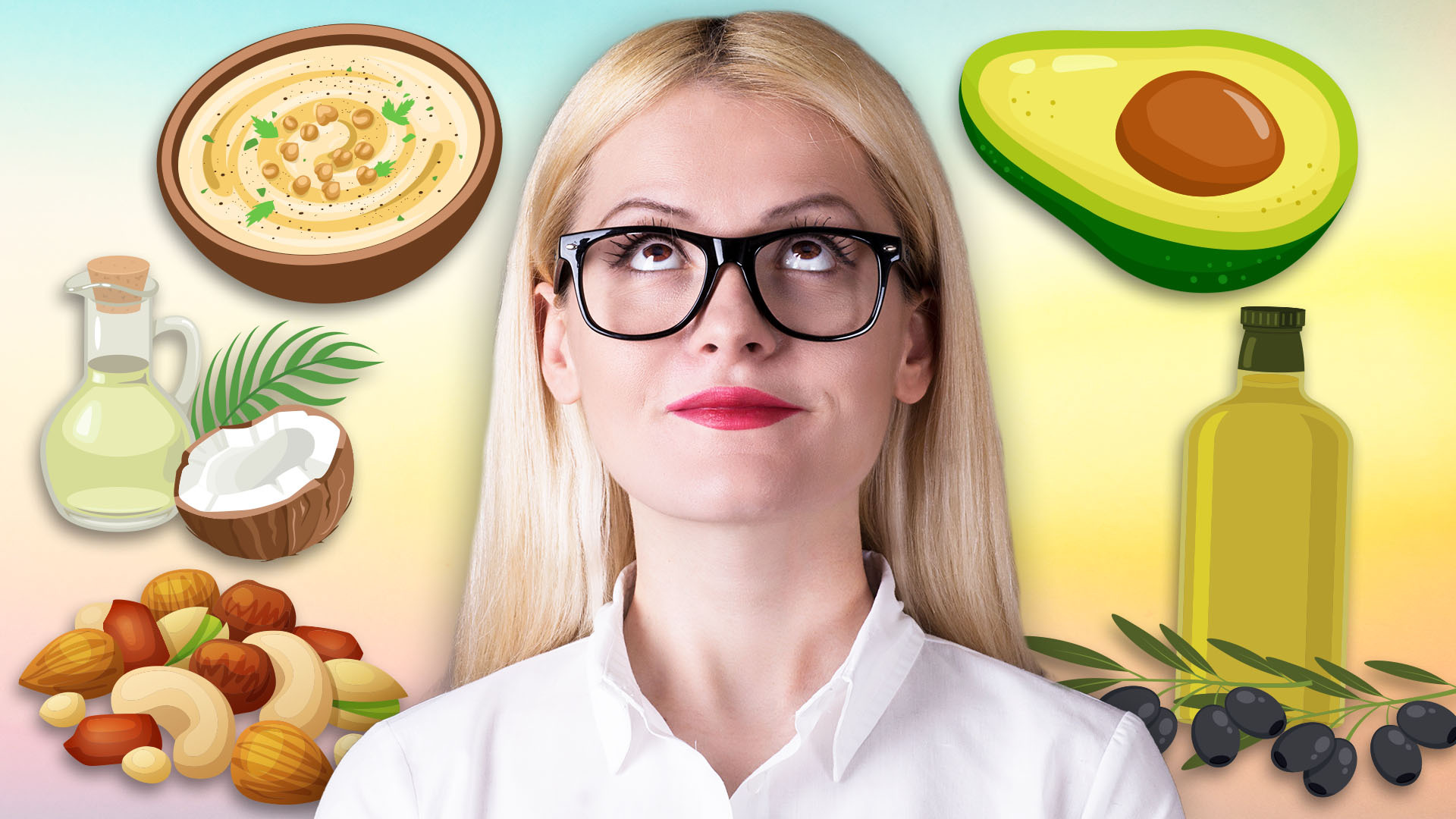
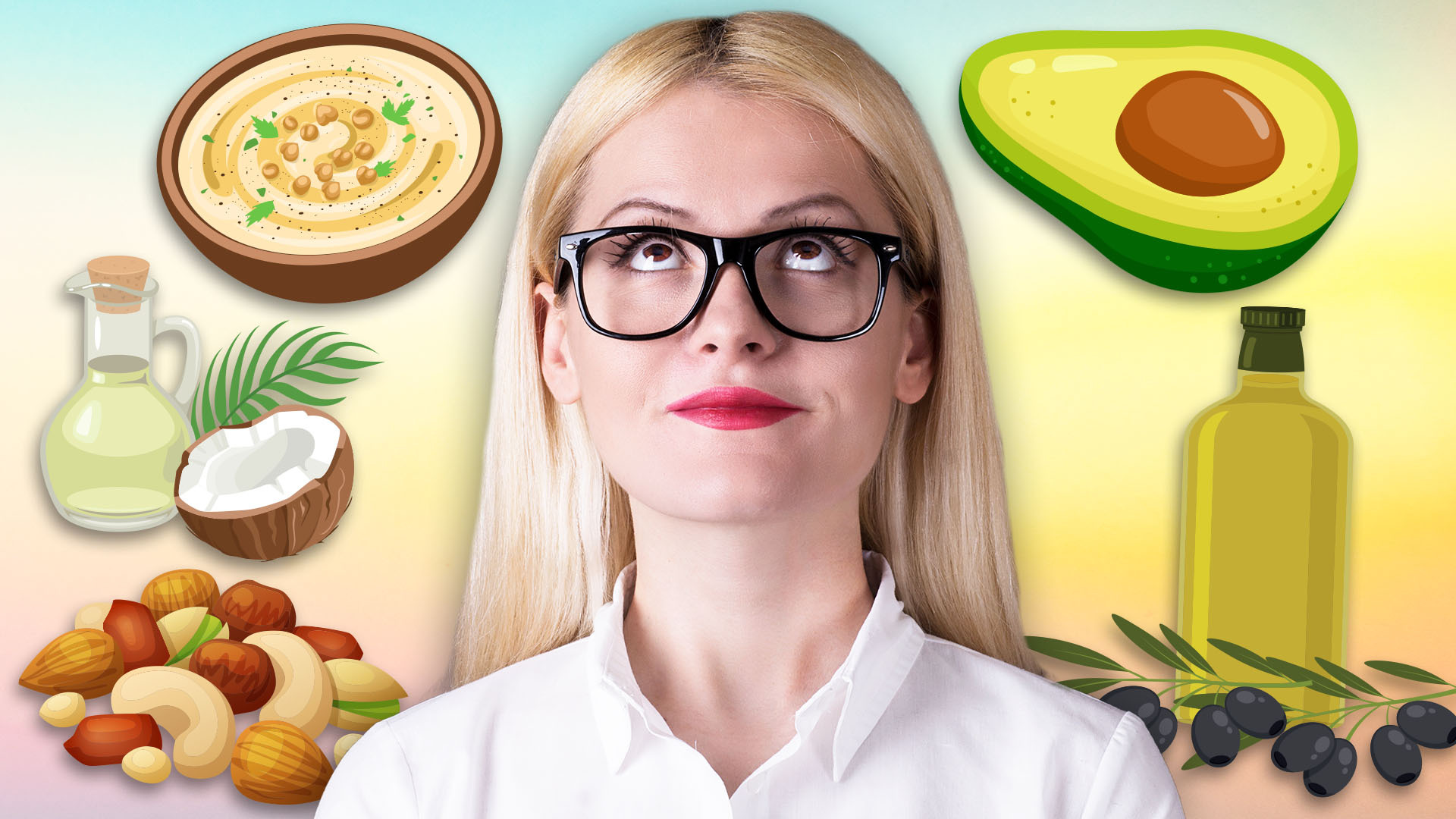
Ruby says: “Monounsaturated fats, found in olive oil, nuts, seeds and avocados, support your metabolism and cardiovascular health.
“Extra virgin olive oil is an excellent source of healthy fats; it’s rich in a plant-based antioxidant called oleocanthal, which targets pathways to reduce inflammation. This helps to reduce cognitive decline.”
A review published in the journal Frontiers in Nutrition found that over-55s who consumed olive oil had better mental performance and a lower risk of cognitive decline.
Monounsaturated fats also contribute to increasing HDL ‘good’ cholesterol, according to Clare.
Meanwhile, polyunsaturated fats include omega-3 and omega-6 fatty acids.
“These are essential for brain health and inflammation control,” says Ruby.
Find omega-3 in oily fish such as salmon and sardines, as well as chia seeds and flax seeds.
Sunflower seeds, pumpkin seeds, almonds and tofu are good sources of omega-6.
ARE YOU EATING MORE THAN YOU THINK?
YOU might not think you eat much ‘bad’ fat if you’re not gorging on takeaways and puddings. But even unsuspecting foods contain fat.
The issue is that fat is high in calories, so the more there is, the more it’s sneakily adding to your belly.
Ruby says: “You can overdo ‘good’ fats, because even beneficial fats contain nine calories per gram – more than double the calories per gram of protein and carbs.
“If someone eats beyond their caloric needs, these fats can contribute to weight gain.”
It goes for those ‘healthy fats’ too – a whole avocado would be unwise, even if it’s healthier than a cake.
Cooking and drizzling oils are filled with fat, and it’s very easy to over-use them.
“Many meals get extra fat from the liberal use of oils, dressings and butter,” says Ruby.
A portion of oil or butter is one teaspoon – but how many of us are absent-mindedly throwing the stuff in our cooking?
Ruby says: “Even a small portion of salad dressing, like Caesar, can contain a high amount of fat.”
Stick to one teaspoon of the stuff, which contains around 1.3g of fat.
Ruby says: “Dips and spreads such as hummus can also be easily overconsumed, but they contain a significant amount of fat from ingredients like olive oil and tahini.”
You can overdo ‘good’ fats, because even beneficial fats contain nine calories per gram – more than double the calories per gram of protein and carbs
Ruby Chauhan, nutritionist at Calo
A portion of full-fat hummus is 30g, or two tablespoons, which contains about 10g of fat.
Your healthy nut snacks might provide your body with some benefits, but while most of it is unsaturated, they still pack in a lot of fat.
Just 30g of Brazil nuts, for example, contains around 20g of fat, 5g of which are saturated.
“Nut butters are also often eaten in excessive portions,” adds Ruby.
Be careful of full‑fat dairy too, such as cheese, cream, butter and whole milk, as well as fatty cuts of beef, lamb, pork and skin-on chicken.
Just 28g of chicken skin can contain 3g of saturated fat.
EASY TO OVER-USE
DESPITE it being given a health halo by some, coconut oil, which was fed to the fruit flies in the latest Japanese study, is also worth keeping to a minimum.
“It’s made up of around 86 per cent saturated fat,” Clare says. Just one tablespoon of coconut oil contains 12g of it.
“In comparison, butter is around 50 per cent saturated fat,” adds Clare.
“This is fine in small amounts, but it’s definitely not a ‘health food’.
“Olive or rapeseed oils are better choices as they’re high in monounsaturated fat and lower in saturated fat.
“Many processed vegan or ‘healthy’ convenience foods still use coconut oil, so always check the label.”
Low-fat options are a good choice but without fat, a lot of these products don’t taste the same, so extra sugar or salt is added.
This means you can end up eating something you believe is healthier than the alternative, but it rates poorly in other areas.
On top of this, while nutrition labels will tell you how much fat is in your food, often, these are measured using very small servings.
For example, a 30g portion of granola might contain around 6g of fat – but realistically, people don’t weigh their cereal and very easily hit 100g or more!
HOW FAT RACKS UP… FAST
HERE’S how quickly a day’s diet can hit the recommended fat limits – which could be expanding your waistline, driving up cholesterol and worsening your memory.
BREAKFAST… CROISSANT WITH YOGHURT
Croissant: 16.9g of fat (of which 11.1g is saturated)
Full-fat yoghurt: 8.6g of fat (of which 5.5g is saturated)
LUNCH… SANDWICH AND CRISPS
Kingsmill 50-50 Farmhouse bread: 1.g of fat (of which 0.4g is saturated)
Cheddar cheese: 17.5g of fat (of which 10.8g is saturated) per 50g portion.
Butter: 8.2g of fat (of which 5.4g is saturated)
Salami: 6.5g of fat (of which 2.4g is saturated)
Walkers Ready Salted crisps: 7.7g of fat (of which 0.6g is saturated)
DINNER… PASTA WITH MINCE, WHITE SAUCE AND PARMESAN
Beef mince: 15g of fat (of which 7g is saturated) per 125g portion.
Parmesan cheese: 3g of fat (of which 2g is saturated) per 30g portion.
White sauce: 7.2g of fat (of which 1.6g is saturated) per quarter 480g jar.
DESSERT… SMALL CHOCOLATE BAR (30g): 10g of fat (of which 6.1g is from saturated fat).
- The recommend daily saturated fat intake for women is less than 20g of saturated fat per day, while for men it’s 30g.