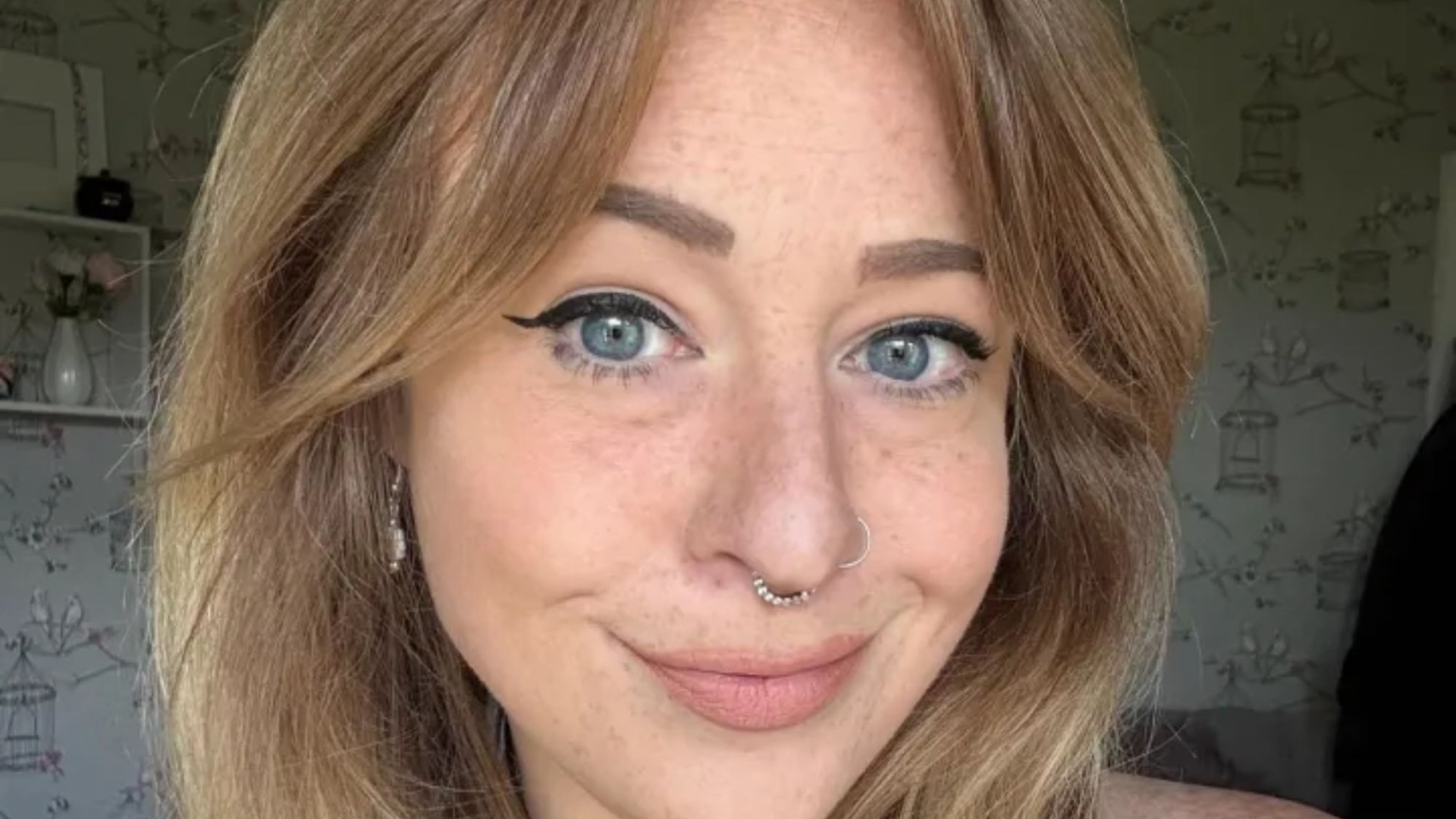
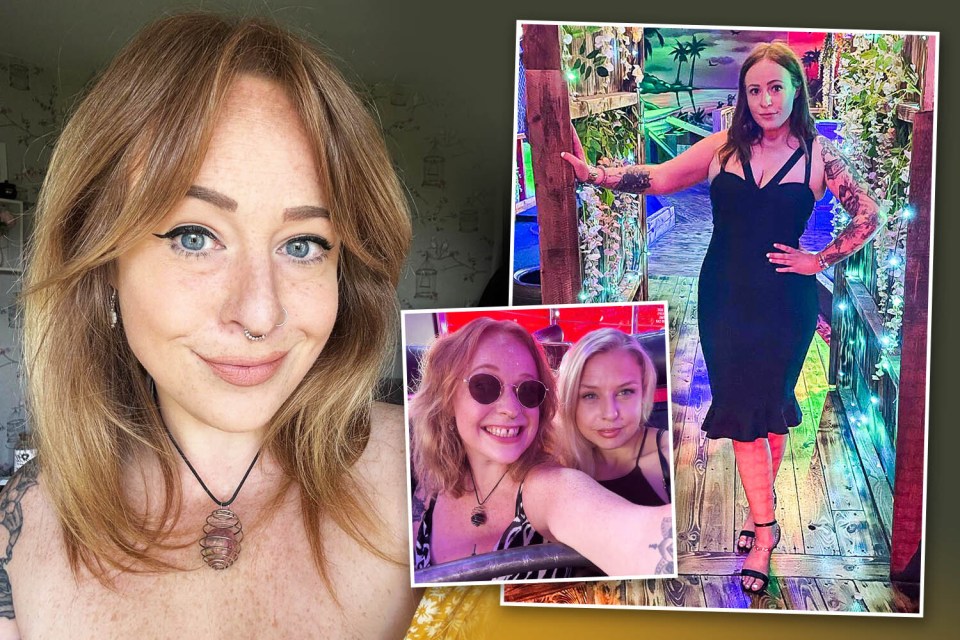
WHEN Charlie Harris, 34, from Derby, was approached on social media about joining a travel MLM, she jumped at the chance of making easy money from home.
Instead, she ended up in debt, her family relationships fractured and her mental health in tatters.
Reading the WhatsApp message, I felt a wave of stress and exhaustion.
“You have HUGE GOALS. This business works for 100% of people that do the work,” it said, followed by rocket and dollar-sign emojis.
Already working 40-hour weeks for online travel agency InteleTravel, I’d barely made any money so far, but vowed to hustle harder.
When a rep from the company first contacted me on Instagram in October 2019, I was struggling.


I have Ehlers-Danlos syndrome – an inherited condition that impacts my joints and blood vessels – and I’d lost my bank job following an extended period of sick leave.
So I needed a flexible role I could do from home.
Rachel* was around my age and seemed very friendly.
She said she was an independent travel agent with InteleTravel, earning commission from booking clients’ trips.
I could do the same and make four figures a month, she claimed, working hours that suited me.
When she added me to a Facebook group with other “travel agents”, I was reassured to see women from my area, including stay-at-home mums and others with disabilities.
‘Eight of my team quit. They felt it was all a scam and were furious’
When Rachel told me I’d need to pay a £150 sign-up fee to cover “agent certification”, and an ongoing subscription of around £50 a month, I felt confused, but she explained this would insure me if bookings fell through, plus cover start-up costs.
Trusting her, I agreed. I skimmed the small print then signed two contracts, one with InteleTravel and another with its “enrolment partner”, PlanNet Marketing.
Over the next few days, I was added to several WhatsApp and Facebook groups.
Messages poured in, and it soon became apparent I was expected to recruit others.
Feeling overwhelmed, I urged family and friends to book any trips through me, and also shared posts on social media about my services.
For the first month, Rachel regularly left supportive voice notes.
But they quickly became more intense, telling me to focus on recruitment rather than booking travel.
Determined to succeed, I encouraged my sister Ellie, then 18, and my best friend Kat, 28, to join.
WHAT IS AN MLM?
Multi-level marketing, also known as MLM, is a legal business model where independent salespeople sell products and recruit others, earning commissions on both personal sales and the sales
of their recruits.
MLM models differ from illegal pyramid schemes, in which participants solely make money by recruiting more people.
The global MLM market is projected to reach $199.5billion this year. Amway, which sells health and beauty products, is the top MLM in the UK, with global revenue of $7.4billion.
In 2023, there were 7,534 MLMs in the UK, with more than 631,000 individuals involved. Online searches for travel MLMs increased by 136% between 2022 and 2023.
Of the people involved with MLMs in the UK, 93% are women and 42% have school-aged kids.
Within six months, I’d built a team of 25, all of us reporting to Rachel, who was on a different team with her own manager, called an “upline”.
For every new recruit, I’d make around £20. Rachel would also get a cut, as would her upline.
When I paid £10 to attend a training day with team members who’d claimed to have made thousands through ‘hustling hard’, it made me determined to carry on
Charlie
If one of my recruits left within 30 days, however, I’d have to repay the money.
Suddenly, I realised why Rachel had been so supportive – it was in her interest for me not to quit.
As the months progressed, the pressure grew. I was encouraged to message 50 people a day to “build relationships”, and urged my recruits to do the same.
By summer 2020, I was hosting 6am video calls to “inspire” my team and answering texts at 11pm.
It was hard to keep track of my earnings, as commission was paid only once a holiday had taken place – often months later.
But when I paid £10 to attend a training day with team members who’d claimed to have made thousands through “hustling hard”, it made me determined to carry on.
Then, in September 2020, eight people in my team – including Ellie and Kat – quit, saying they’d paid hundreds in subscription fees but made no significant money.
They felt it was all a scam and were furious.
‘I’d lost my friends, my job and my money. I felt like a failure’
Rachel insisted they were trying to drag me down with their negativity.
Sucked into what I now describe as resembling a cult, I believed her – and I was determined to prove my team wrong.
The following month, I had to borrow money from my mum Lynda, 48, to pay rent in the home I shared with my boyfriend Tom.
They were worried and I felt ill with stress, but assured them my commission was due any day.
When I finally got paid in late 2020, it was a fraction of what I’d been expecting – only a few hundred pounds for months of work.
I felt stunned, but Rachel said that because some of my team had left within 30 days, my pay had been docked.
Instantly, I was blocked by women I’d considered close friends
Charlie
That was a watershed moment. I listened to a podcast about multi-level marketing (MLM) schemes – where people earn not only from selling products, but recruiting – and I began to question the business model I was part of.
Calculating my earnings, I realised I’d made £1,470.25 in 15 months: £218.49 in commission for 10 travel bookings, and £1,251.76 for recruitment.
Meanwhile, I’d invested £846 in start-up and monthly fees, around £30 in fees to access my money, £100 on “training” and £110 on business cards and a website.
With costs deducted, my profit was £383.85 – an average of £25.59 per month.
I felt sick, especially as I’d borrowed money from my mum to stay afloat, while Tom had paid more than his share of our rent to help me out, too.
In January 2021, I quit. Instantly, I was blocked by women I’d considered close friends.
I was supposed to be going on holiday with some of them, but as soon as I left, I was removed from the WhatsApp chat. Some even sent me abuse, telling me “the trash takes itself out”.
It sent me spiralling and, with my mental health at the worst it’s ever been, I secretly began self-harming. I felt like a failure who’d lost everything – my friends, my job and my money. I’d believed my colleagues were my ride-or-dies, yet they turned on me so quickly.
Sinking into depression, I stayed indoors, barely seeing anyone other than Tom and my mum.
Thankfully, after a couple of months, I had the opportunity to access therapy through my GP, and I was able to begin building bridges with both Ellie and Kat.
In time, they forgave me, accepting I’d genuinely believed in the company.
I started making vegan candles and now have my own business, Bare Naked Wax.
Desperate to raise awareness, I began sharing my story on social media and calling out MLM firms.
My old teammates trolled me and even posted malicious reviews about my candle business.
Nearly five years on, I still receive online abuse from former colleagues who claim I just “didn’t get the vision” of the business. I still feel sick when


I think of the wasted time and money, for me, my friends and sister – but I’m determined to prevent the same happening to others.
- Follow Charlie on Instagram @__Dearsociety.
A spokesperson for InteleTravel said
“InteleTravel is a home-working travel agency business. Home-working allows thousands of advisors to choose their hours of work and there are no targets with InteleTravel.
“We have thousands of advisors who run successful travel businesses and it is standard in the travel industry for commission to be paid after travel, in case of amendments and cancellations.
“Travel agents are not employed by InteleTravel. InteleTravel has no financial connection with PlanNet, and no involvement in how they run their business.”