This article is taken from the November 2025 issue of The Critic. To get the full magazine why not subscribe? Get five issues for just £25.
When Jack Harper won his second-round match at the Surrey Open hard court tennis championships in 1946, the former Australian Open doubles finalist was not detained for long. Harper lost one point in defeating a dental student called Sandiford 6-0, 6-0 in a match that lasted 18 minutes. It is a reflection on the idiocy of a new “tournament” that will be played in Harper’s native Melbourne in January that the winner of the £490,000 first prize won’t be able to give his opponents even that many points over five rounds.
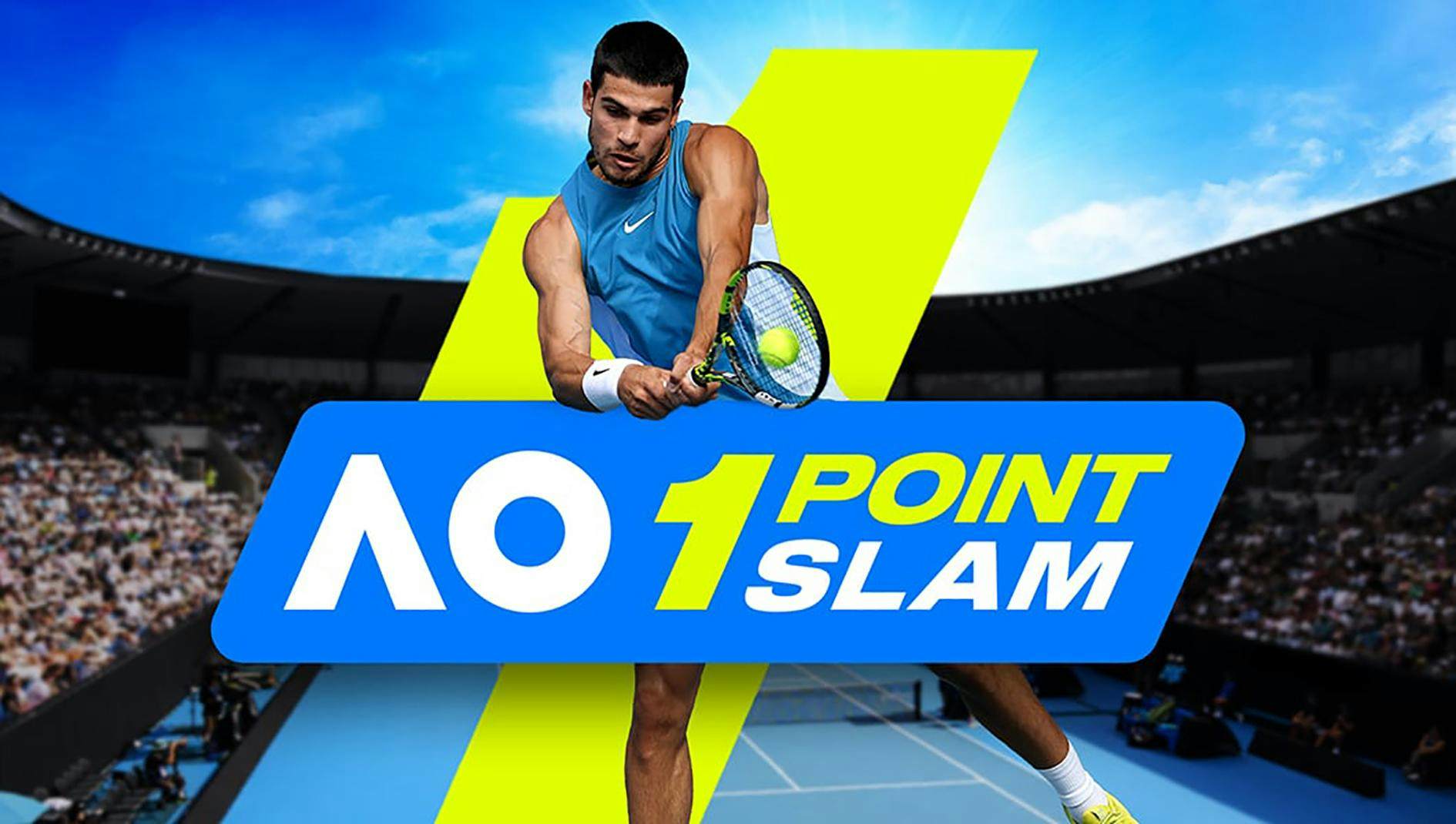
Carlos Alcaraz, the world No 1, is amongst those who have agreed to take part in the Million Dollar One-Point Slam, in which 22 professionals and ten amateurs will work up barely a droplet of sweat in a series of matches, each of which will last just one point. One assumes they won’t need the usual five-minute knock-up first.
Players will use rock, paper, scissors — the hallmark of any serious sport — to decide who serves or receives and the professionals will get only one serve, raising the prospect of a big name being knocked out by an unyielding net cord. This is what happened when the concept was trialled before the Australian Open last year and Andrey Rublev, the world No 5 at the time, served short.
However, that competition had a first prize of just £29,000, won by the world No 180. It was a cheap gimmick and rewarded as such. The next will bring the winner almost £100,000 a point. They would have to reach the semi-finals at the proper Australian Open to earn more.
The last time Andy Murray was in the semis in Melbourne, in 2016, he had to play 990 points to get that far. One lucky person, perhaps even a celebrity, since the amateur slots will include some of them to give it “stardust”, will only need to win five points in a row to be as well paid.
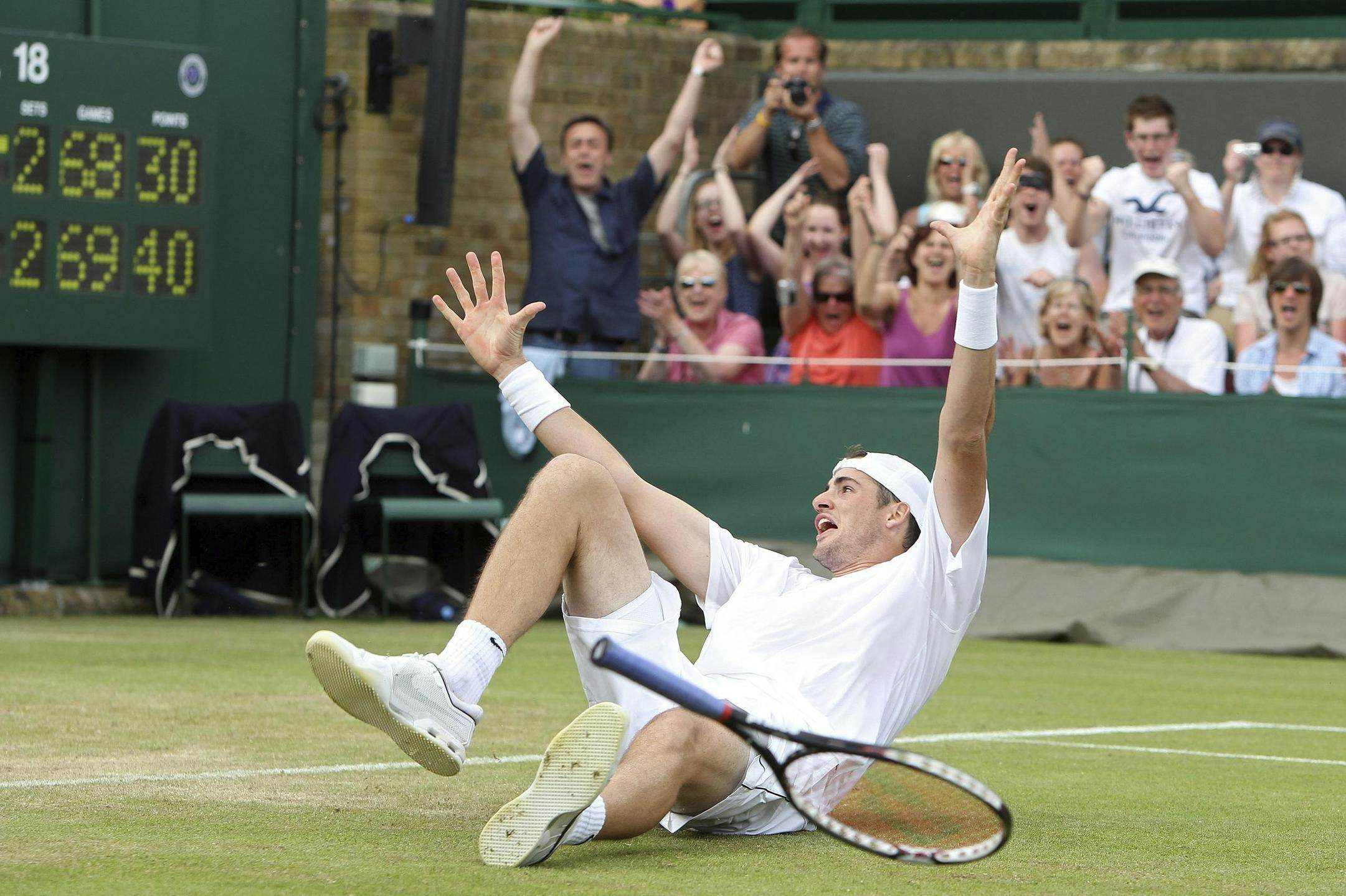
Mahut — the longest in grand slam history
Of course, no one claims this is proper sport, even if the prize money suggests it is. Instead, it is “sportertainment”, a game show, the consequence of our age of short attention spans, when we’ll spend hours looking at WhatsApps or X but won’t read a book. Compare the bish-bash-cheque approach of the One-Point Slam with the 11 hours and 15 minutes it took to separate John Isner and Nicolas Mahut at Wimbledon in 2010, a match I reported on, though only from 37-all in the deciding set, with 64 games (or ten sets) still to come.
In most sports shorter does not mean better. The pleasure comes from waiting, the lulls before the roars. I’ve enjoyed the buzz of rugby sevens, helped by the frequency of the beers, but it has never felt serious in the way an 80-minute grind can be.
I’m not sure I can think of a single memorable Twenty20 cricket match, even when England have won the World Cup. The Hundred or Ten10 matches are even more dull, though I will concede that the Ambridge single-wicket contest has had its moments.
Snooker has also experimented with shorter formats. The Shoot Out tournament allows ten minutes to complete each one-frame match; the Six-Red World Championship begins with a rack of three rather than five rows of red balls. Neither is very interesting. Give me a late-night finish in a best-of-35-frame Crucible final over a glorified episode of Big Break. Snooker used to be a proper endurance sport. Many of the postwar world finals were the best of 145 frames — and they kept playing even when someone had won. In the 1952 final, they finished two frames early in a match that lasted ten days, with Horace Lindrum leading Clark McConachy 94-49. The crowd must have felt short-changed.
Sometimes, I concede, a sporting contest can drag on too long. The World Chess Championships final in 1984 was played as the first to six wins and lasted five months. Anatoly Karpov raced into a 4-0 lead after only nine games, then the next 17 were drawn with Garry Kasparov before Karpov won a fifth. It took another 21 games, three of which Kasparov won and the rest drawn, before the whole thing was called off.
Then there is the boxing match in Illinois in 1892 between Harry Sharp and Frank Crosby that lasted for more than five hours before both men hit the deck in the 76th round. The referee didn’t make it that far: having been refreshing himself from a hipflask, he apparently passed out in the 65th round.
This record was beaten the next year in New Orleans when Andy Bowen and Jack Burke fought for 110 rounds before neither was able to emerge from his corner for a 111th. It was all done and dusted in a bit over seven hours — barely half a Ring Cycle.
And there are, of course, exceptions to the shorter-is-worse rule. A 100 metres final is usually more thrilling than a marathon. But people have contested sprints ever since Coroebus of Elis won the 200-yard dash at the first ancient Olympics in 776 BC.
My problem is with an artificial reduction to absurdity in the name of attracting new audiences and then rewarding them as if it were real sport. I wonder how long it will be before the marketing men announce the World One-Stride Championship with a six-figure sum to whoever gets out of the blocks first.