A HAIRDRESSER revealed five ways you’re ruining your hair, without realising it.
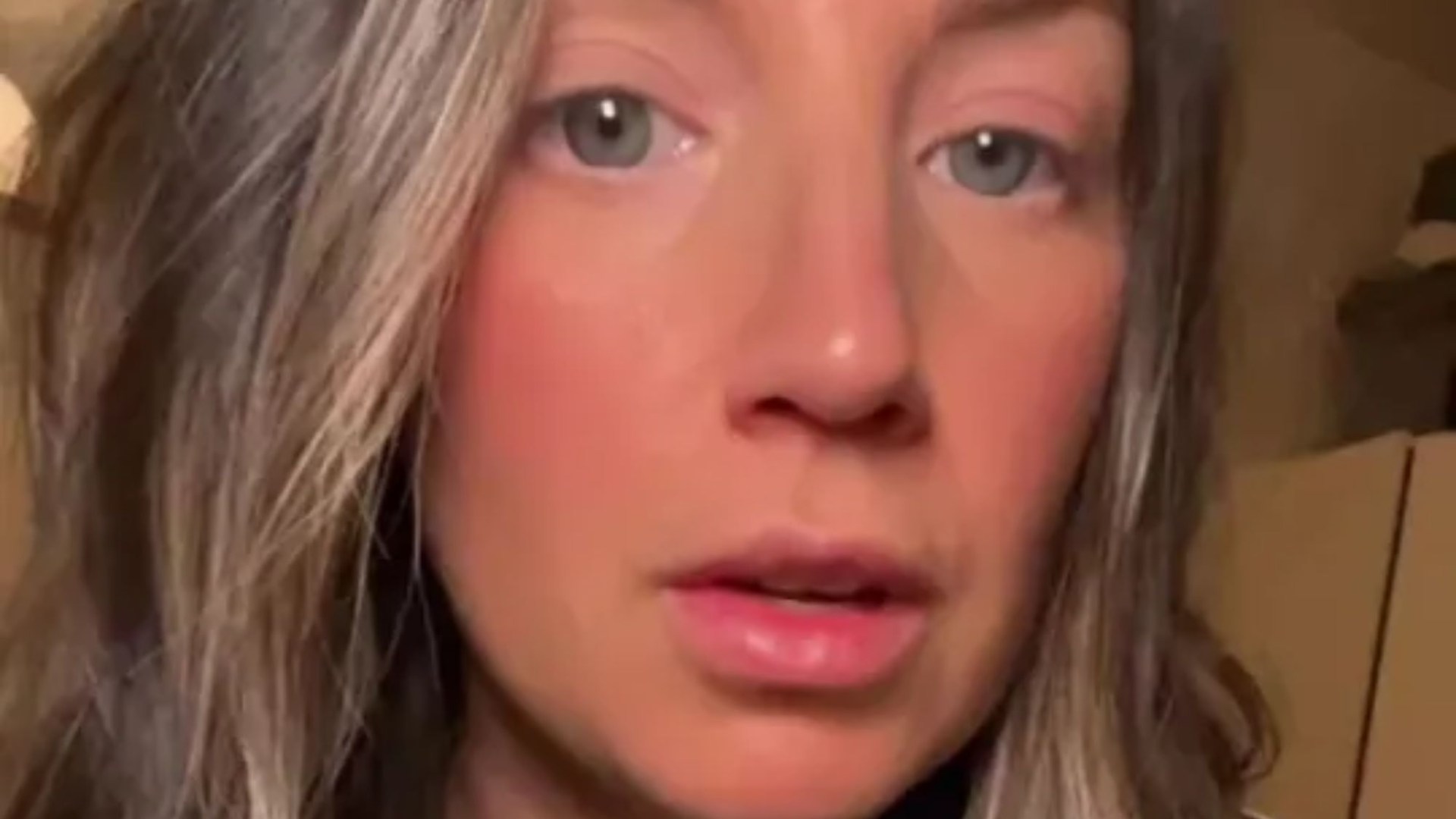
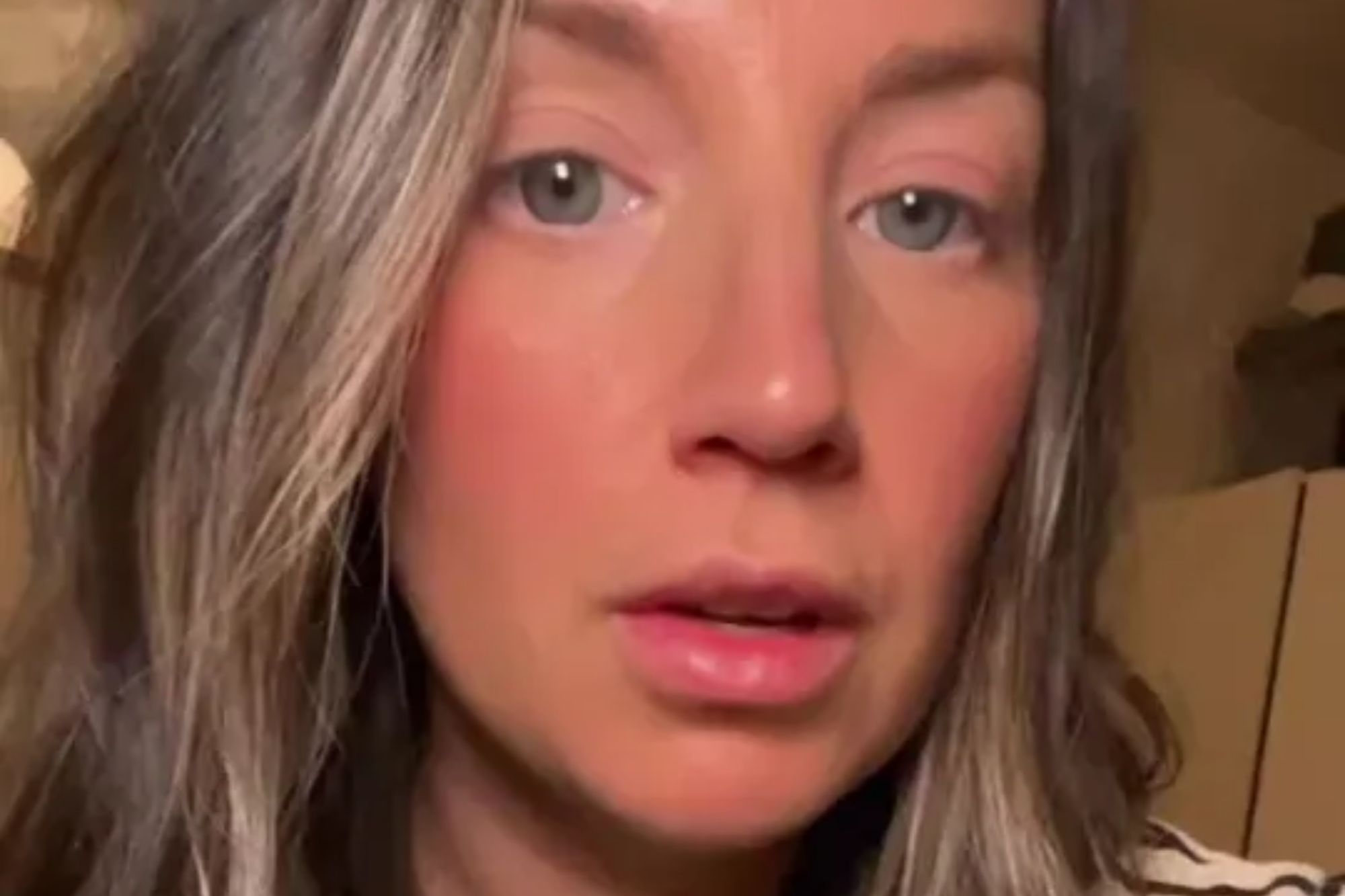
Mary is a professional hair stylist, and uses her social media pages to share expert haircare tips.
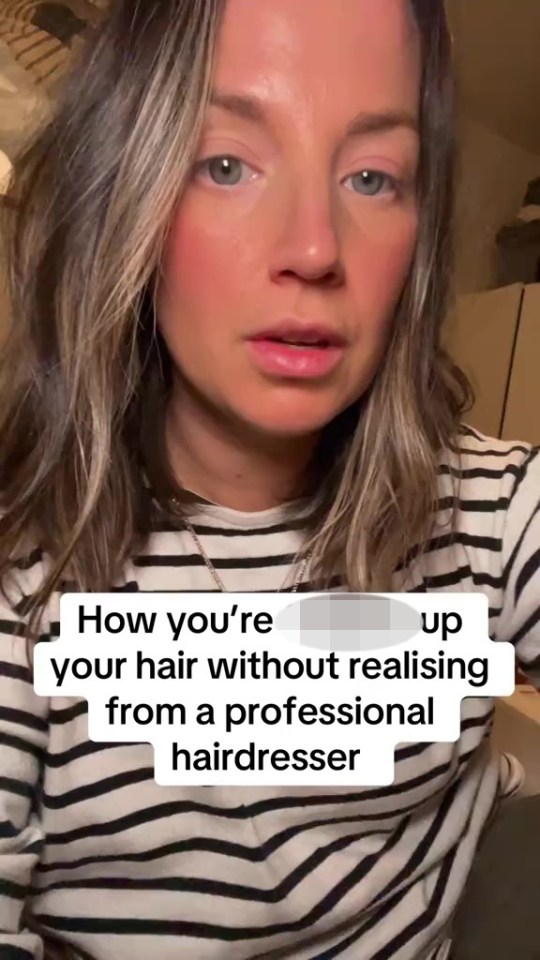
In a recent video, she realised that many people are “drastically” damaging their hair, without realising it.
1. Brushing Wet Hair
Mary revealed that most breakage happens when you brush your hair when it is wet, adding that you should brush it really carefully.
“Brush from the bottom up to the top, especially if your hair is fragile”, she said.
The pro added that you should never go to sleep with wet hair, as it makes hair weaker and more prone to breakage and frizzing.
Sleeping with soggy locks also creates a perfect breeding ground for bacteria and fungi to grow, which can lead to dandruff.
2. Not Using Heat Protector
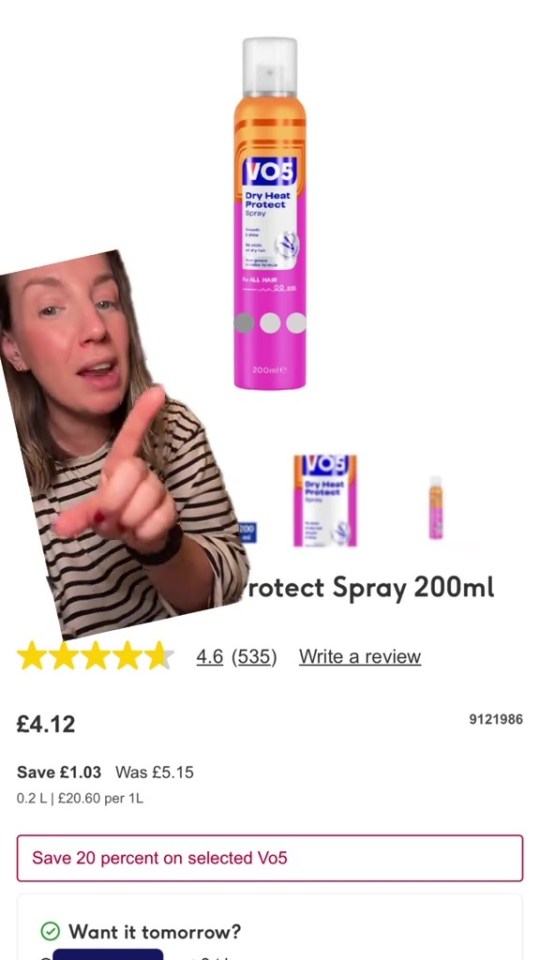
Mary revealed that it is imperative that, if using a curler or straightener, you use heat protector.
She added that on dry hair, you must use an aerosol based heat protectant, rather than a wet one.
“My absolute favourite is Amika The Sheild”, she said.
“Now that we’re getting in to autumn and winter when it’s raining, this is a really good product to have on hand”.
3. Soft Bristled Brush
Mary said that many people use the wrong kind of hair brush and recommended brushing dry hair with a soft-bristled brush, which is made from a mixture of hair fibre and nylon.
“Your hair gets really tangly when it’s dry, and you need a brush that’s going to softly get those tangles out and not yank at it”, she explained.
She added that for wet hair, you should use a Wet Brush, or a Tangle Teaser.
4. Silk Bonnet
Mary revealed that for those with fragile hair, cotton or linen pillowcases can cause it to fall out during the night.
To stop this from happening, she recommended using a silk bonnet or a silk pillowcase.
4 reasons your hair is thinning
From fixing it to faking it, your guide to healthier, thicker hair from Trichologist Anabel Kingsley.
“Hair thins naturally as we get older because like our skin and muscles, the hair ages and changes,” Anabel Kingsley, trichologist at Philip Kinglsey explains. It can also be because of genetics, made worse by other health factors like menopause or thyroid disorders.
“Hair follicles very gradually shrink and produce finer and shorter strands with each passing hair growth cycle,” she adds. But while we can’t help things like genetics or the ageing process, we can do something about some of the other causes of hair thinning.
Here are four, fixable ones you need to know about.
1. Your hormones are raging
“Leading up to and during your period, the scalp may become oilier, which may trigger flaking and itching if you are predisposed to dandruff – and leaving an irritated scalp untreated can lead to hair loss,” says Anabel.
Loss of hair post-pregnancy is very common too; “After giving birth or stopping breast-feeding, oestrogen levels drop and return to normal,” Anabel explains.
“This can cause all the hairs retained during pregnancy to shed at once (usually six-12 weeks later), known as postpartum hair loss.”
Don’t panic, this is only temporary, but experts recommend you start taking daily hair supplements to support the hair’s growth.
2. Your hair can’t take the heat
“Heat drains moisture from within the hair shaft and because our hair’s elasticity and strength is largely reliant on its water content, hair can become dry, brittle and prone to breakage,” Anabel explains.
To prevent damage in the future, Anabel advises using a low setting on your heat styler, straightening only once a week and switching off your blow-dryer when your hair is just dry, as “using heat on completely dry hair will evaporate water from the hair shaft”.
3. You’re stressed
“Hair is non-essential to physical survival so it will always be the first part of you to suffer when something is off-kilter,” Anabel says.
Stress affects the scalp which can have a negative impact on the eventual health and growth of the hair. “Stress spikes cortisol levels which in turn increases oil production,” adds Anabel. “Cortisol, a stress hormone, disrupts the skin’s barrier function and triggers skin irritation which is why your scalp gets itchy and flaky when you are going through a stressful period.”
4. You’re eating the wrong food
“Diet is incredibly important to hair health,” says Anabel. “Being a non-essential tissue, hair is the last part of us to benefit from nutrients we ingest and the first to be withheld from them.”
Avoid mercury-rich fish like tuna and also full-fat dairy like cheese if you suffer from dandruff. “This can trigger flaking and itching which can then lead to hair thinning,” she says.
“A silk bonnet really helps to keep your hair all in one place, which stops breakage”, she said.
5. Heavy Bag
Mary’s final tip is to be wary of getting your hair trapped in the strap of a heavy bag.
“If you are walking to work and you have a heavy bag and you have it on one shoulder, and your hair gets caught underneath, be very mindful of that because it will drastically affect your hair”, she said.
“Especially one side, if you’re doing on one side all the time.”


She added that you should also he mindful of getting your hair caught in collars or scarves.
“They can get caught really easily, and then you end up with really short hairs”, she said.