A trio of elections in Africa this month were not expected to be overly open or fair. Longtime leaders and ruling parties retained power after voting in Cameroon and Ivory Coast. And it’s likely to be the same when Tanzanians go to the polls Oct. 29.
Yet, earlier elections this year – in Ghana, Malawi, and Seychelles – did see smooth transfers of power. And, despite political stasis, the continent is showing consistent economic growth combined with stronger, more transparent financial governance.
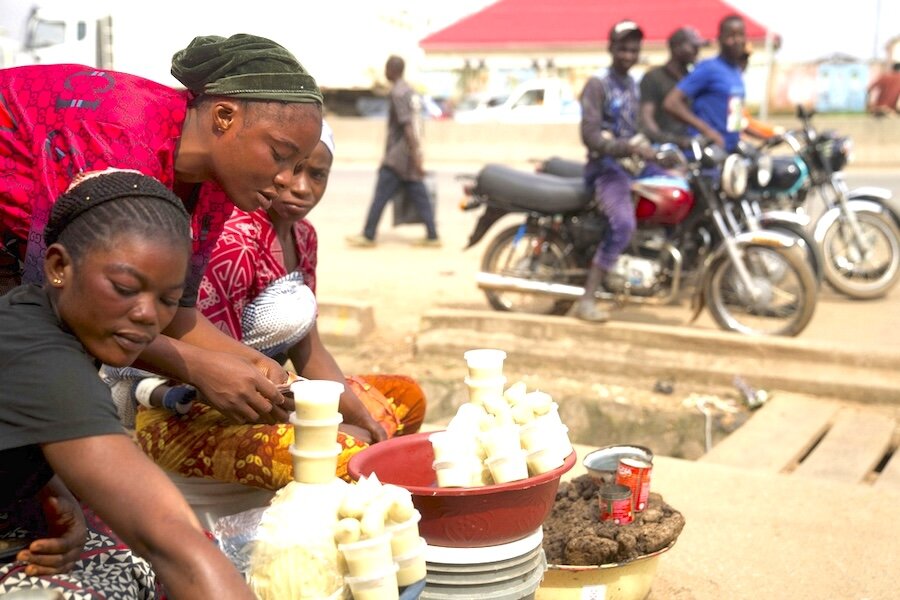
Forty-four African countries – including Ivory Coast and Tanzania – are expected to surpass the global average growth rate this year, thanks to new discoveries of oil and gas as well as modest gains in agricultural productivity and manufacturing.
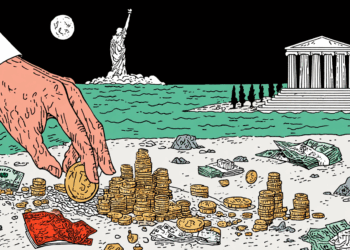
And just last week, the global Financial Action Task Force (FATF) removed four countries – including two of the continent’s largest economies – from its “grey list.” This watch list puts governments (and investors) on notice about weaknesses or corruption in banking and financial systems that enable money laundering and potential terrorist financing. Coming off that list restores national pride – and has practical implications.
“It’s not just embarrassing” to be on the list, Bloomberg press commented. “It can do real damage by making foreign investors more wary.” The International Monetary Fund has calculated that grey-listing substantially reduces capital inflows.
FATF President Elisa de Anda Madrazo described the removal of Burkina Faso, Mozambique, Nigeria, and South Africa as “a positive story for the continent of Africa.” The Paris-based FATF has tackled illicit global financial flows for more than three decades, even as criminal networks constantly come up with new ways to hide their tracks.
“These countries have worked hard to close loopholes that criminals exploit. It’s the result of sustained efforts,” the FATF chief said. Moves included revamped tools to detect money laundering and improved oversight and intelligence-sharing.
For Nigeria’s President Bola Tinubu, recently shaken by rumors of an alleged coup plot, the clearance was welcome recognition of the country’s “journey toward economic reform, institutional integrity and global credibility.”
In South Africa, the country’s highest tax official noted, “Removing the designation of grey listing is not a finish line but a milestone on a long-term journey.”
The path to progress is marked by both economic and political milestones, according to Nathalie Delapalme, CEO of the Mo Ibrahim Foundation, which promotes good governance and leadership on the continent.
Africa’s challenge is “to achieve progress in all dimensions of governance” – economic and political – Ms. Delapalme told the Brookings Institution earlier this year. “If you let one drop, … you drop everywhere.”