SOME of Britain’s favourite products have been getting smaller but pricier, piling pressure on household grocery budgets.
Shrinkflation – where manufacturers reduce product size or quantity but keep prices the same – has become a common frustration for shoppers.
And household favourites like Quality Street, Cadbury’s multipacks of Freddo and Nescafe Original Instant Coffee are among those which have seen a reduction in size while prices have increased or stayed the same, according to Which?.
The consumer group asked shoppers to share some of the worst examples of shrinkflation they had seen at the supermarket in recent months, finding that not only are products getting smaller but others are downgraded as manufacturers skimp on key ingredients.
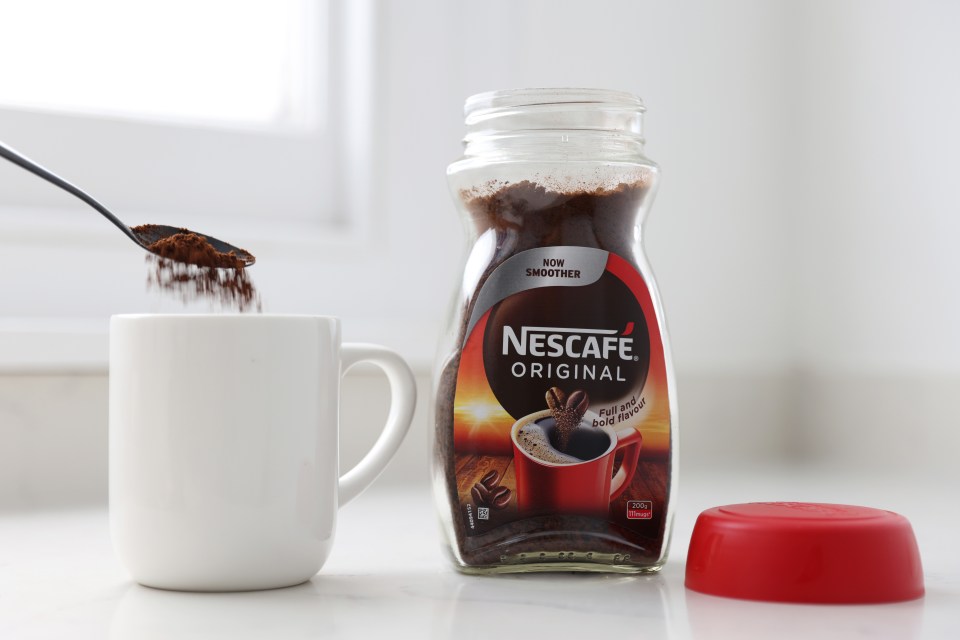
Among the examples was the Nescafe Original Instant Coffee, which shrunk from 200g to 190g at Tesco, Morrisons and Asda.
This represents a rise of 5% per 100g.


The Aquafresh Complete Care Original Toothpaste increased in price from £1.30 for 100ml to £2 for 75ml at Tesco, Sainsbury’s and Ocado, meaning a 105% price rise per 100ml.
And bottles of Gaviscon Heartburn and Indigestion Liquid shrunk from 600ml to 500ml, while at Sainsbury’s the price stayed at £14 – resulting in a 20% rise per 100ml.
Which? also found that Sainsbury’s Scottish Oats have decreased in size, from 1kg to 500g.
Meanwhile, the price increased from £1.25 to £2.10 – representing a whopping 236% rise per 100g.
Shoppers also reported examples of whole chocolate bars missing from multipacks.
Which? has reported that Cadbury’s multipacks of Freddo and Fudge bars both dropped from five bars to four at Morrisons, Ocado and Tesco, even though the price of £1.40 has stayed the same.
Shrinkflation examples from Which?
These are the products that have gotten smaller, as reported by Which?
- Aquafresh Complete Care Original Toothpaste which went from £1.30 for 100ml to £2 for 75ml at Tesco, Sainsbury’s and Ocado – a 105% price rise per 100ml
- Gaviscon Heartburn and Indigestion liquid shrunk from 600ml to 500ml. At Sainsbury’s the price also stayed at £14 – a 20% rise per 100ml
- KitKat Two-Finger Milk Chocolate Bar multipack went from 21 bars to 18. At Ocado the price also rose from £3.60 to £5.50 – a jump of 53%
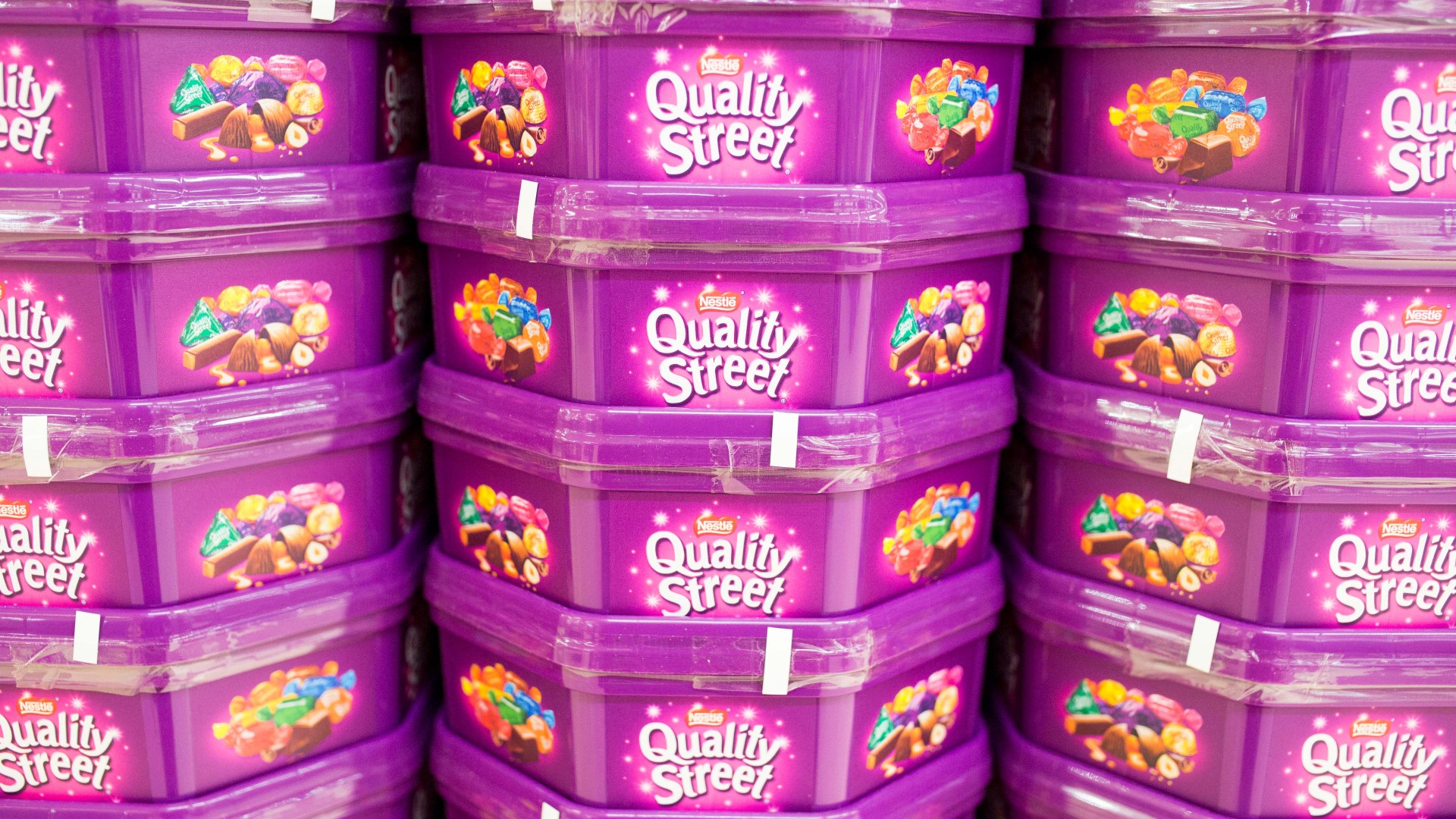
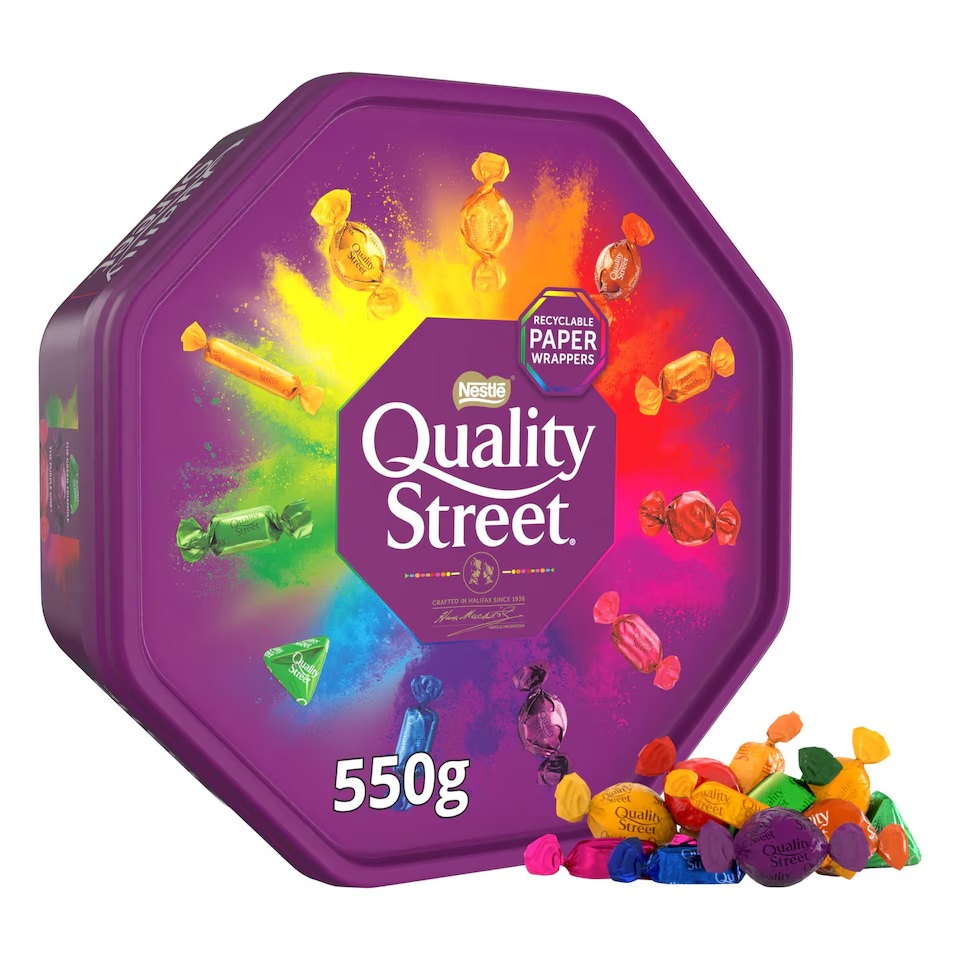
- Quality Street chocolates also took a hit as tubs went from 600g to 550g. At Morrisons the price went from £6 last year to £7 this year – a hike of 27% per 100g
- Cadbury’s multipacks of Freddo and Fudge bars both went from five bars to four at Morrisons, Ocado and Tesco while prices didn’t change – a 25% increase per chocolate bar
- Sainsbury’s Scottish Oats went from 1kg to 500g (and the price increased from £1.25 to £2.10)
- Nescafe Original Instant Coffee went from 200g – 190g at Tesco, Morrisons, Asda
- Terry’s chocolate orange ball toffee crunch went from 152g to 145g at Tesco
Meanwhile, KitKat Two-Finger Milk Chocolate Bar multipacks dropped from 21 bars to 18, while at Ocado the price also rose from £3.60 to £5.50.
And some iconic Christmas chocolate has also been impacted by shrinkflation.
Quality Street chocolate tubs have been reduced from 600g to 550g.
And the price for the smaller tub at Morrisons has gone from £6 to £7 this year.
Terry’s chocolate orange ball toffee crunch went from 152g to 145g at Tesco, while the price of £2 did not change.
As well as products getting smaller, Which? has also reported some products missing key ingredients as manufacturers find ways to cut costs.
Which? found a reduced amount of cocoa butter in White KitKats.
The amount is now less than 20%, which means that the treats can no longer be marketed as a white chocolate product.


And McVitie’s Penguin and Club bars can no longer be lawfully sold as a chocolate biscuit because they contain more palm oil and shea oil than cocoa.
Which? approached all of the manufacturers and retailers involved, who flagged the impact of higher ingredient costs, as well as challenges when it comes to national insurance hikes and increases in energy and transport prices.
How to compare prices to get the best deal
JUST because something is on offer, or is part of a sale, it doesn’t mean it’s always a good deal.
There are plenty of comparison websites out there that’ll check prices for you – so don’t be left paying more than you have to.
Most of them work by comparing the prices across hundreds of retailers.
Here are some that we recommend:
- Google Shopping is a tool that lets users search for and compare prices for products across the web. Simply type in keywords, or a product number, to bring up search results.
- Price Spy logs the history of how much something costs from over 3,000 different retailers, including Argos, Amazon, eBay and the supermarkets. Once you select an individual product you can quickly compare which stores have the best price and which have it in stock.
- Idealo is another website that lets you compare prices between retailers. All shoppers need to do is search for the item they need and the website will rank them from the cheapest to the most expensive one.
- CamelCamelCamel only works on goods being sold on Amazon. To use it, type in the URL of the product you want to check the price of.