RACHEL Reeves is in talks to raise income tax in the Budget, it has been claimed.
The move would see the Chancellor break Labour’s manifesto if it were to be implemented.
It one of several tax hikes being considered to help plug the £30million black hole in public finances.
A source told The Guardian: “There is a very live debate going on right now among those planning the budget about how bold we want to be on the headroom.
“No one wants it to be £10bn again but there is an argument we go much higher, which will mean we don’t have to come back and do this again and might have space to cut taxes before the budget.
“If we go down that route, however, it makes it more likely that we have to raise income tax – that is the discussion that is going on at the moment.”
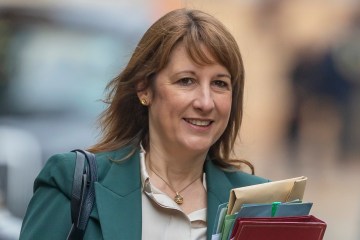
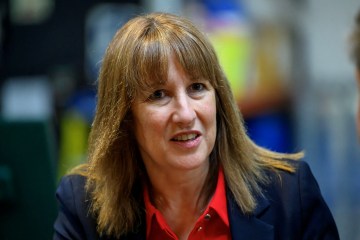
The chancellor is reportedly in discussions to add 1p to the basic rate of income tax, which would raise £8billion.
It is thought this could be the only way to prevent more tax grabs, according to Treasury insiders.
But it would be the second time Reeves has broken the Labour manifesto, after she hiked national insurance last year.
This come as the Chancellor claimed earlier this week she was “determined” to help those struggling with higher bills and the cost of living, with that help coming as soon as November 26.
A senior Government source says the Chancellor is poring over “about 100” measures before deciding which levers to pull.
And companies are also horrified at the prospect of more taxes being slapped on them, plus any punishing business rates.
Reeves is plotting a £2 billion tax raid on lawyers, accountants and doctors to help balance the books.
The Chancellor is also considering targeting 190,000 workers who use ‘limited liability partnerships’ imposing a new charge to help raise revenue.
The partnerships currently offer tax benefits as they are not subject to employer’s national insurance as they are deemed self-employed.
Last week the Chancellor said those with the “broadest shoulders” should pay their fair share of tax.
Those who use the limited liability partnerships don’t pay employer’s national insurance.
The move would be seen as a blow to the middle classes if it goes ahead next month, with the policy first reported by The Times
Another option also expected to be considered is a ‘mansion tax’ which will come in the form of an annual levy or subject them to capital gains tax.
Speaking at an investment summit on Tuesday, Ms Reeves said: “Our economy is not broken but I do accept that for too many people it’s not working as it should.
“Bills are too high. Businesses often don’t have the tools that they need to succeed, and people are feeling that they put more in, but they’re getting less out.
“That has to change. At the Budget last year we fixed the foundations of our economy, returned stability to our economy.”
Only last week, the Chancellor was in Washington DC where the International Monetary Fund said inflation in the UK is the highest out of the G7 nations.
She also has two very difficult decisions to make on fuel duty at her Budget.
First, does she end the temporary 5p-per-litre cut brought in at the start of the Ukraine war?
And does she end The Sun’s 15-year winning run to keep fuel duty frozen?
Any move to raise the duty would enrage millions of drivers who rely on cars for their lives and livelihoods, and hurt the “working people” Labour vowed to protect
This will have to be balanced against Britain losing £15billion in motoring tax revenue by 2029 if the duty remains frozen.
But judging by her recent comments, she is willing to step in and pull any lever possible to help hard-up Brits.
Axing the five per cent VAT on energy bills looks like it is on the cards, saving the typical household around £86 annually, which will be a start.
Another option as part of her “targeted action” could be to take off regulatory levies added to bills.
Action could be taken on rail fares but it appears water bill changes are off the table.
The impact of September’s inflation rate is the trigger for setting the rate for several benefits from April next year.
Universal Credit will be up by 6.2 per cent, reflecting the 3.8 per cent latest figure plus an additional 2.3 per cent uplift — with single claimants receiving a rise from £92 to £98 per week.
The state pension goes up each year by the triple lock — the highest of either inflation, wage growth or 2.5 per cent — which this year will be average earnings rises, which stands at 4.8 per cent.
All this will bear down on the Chancellor who is chomping at the bit to have another go at bringing down our ballooning welfare bill.


Low growth, stubborn inflation and the highest borrowing for five years are only adding to the Chancellor’s woes.
In her Budget next month, where £30billion must be found to balance the books, she must set out an escape plan to help end the ongoing “doom loop” of high taxes and weak growth.