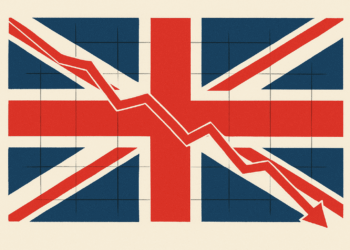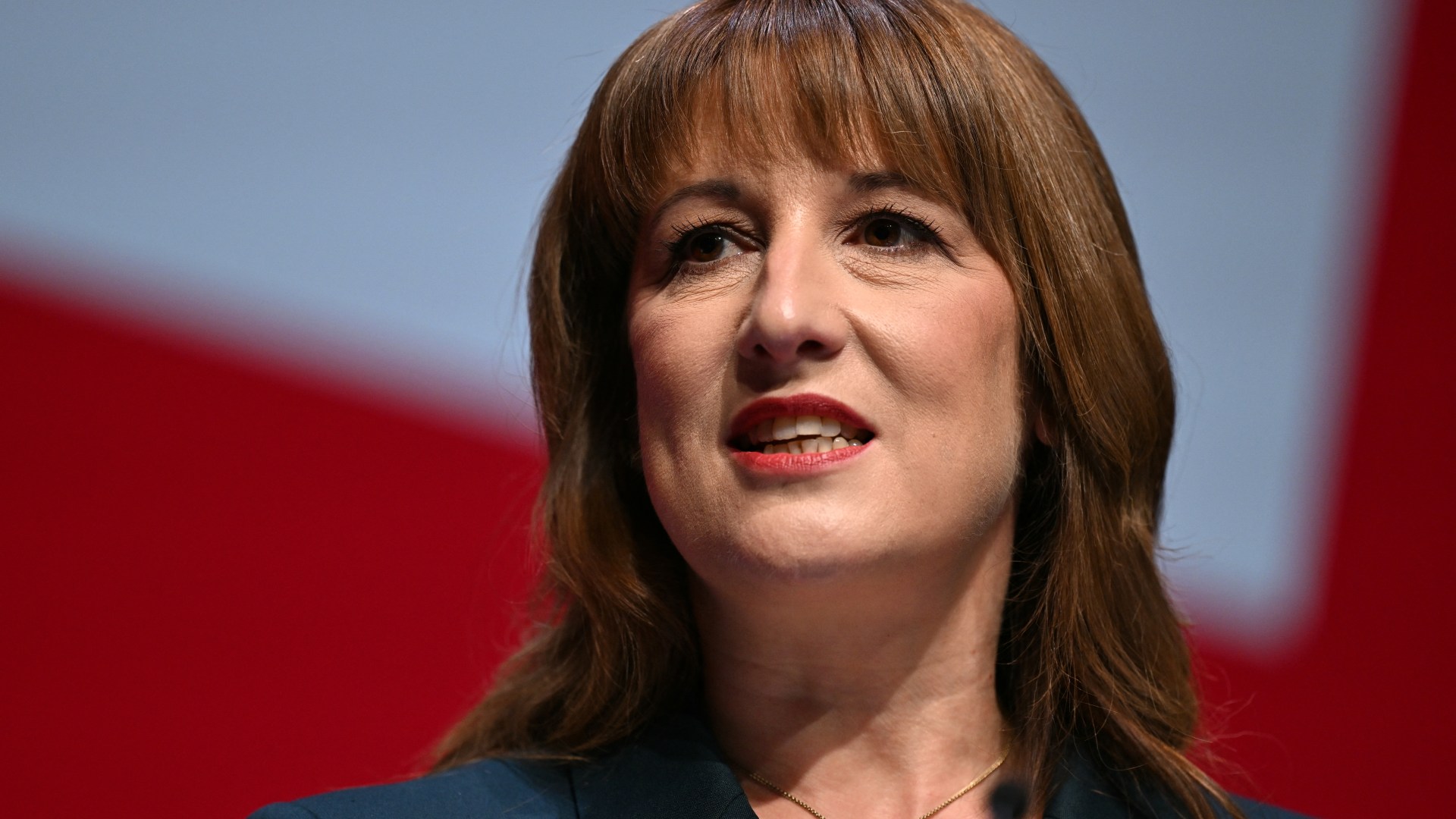
TAX rises in the Autumn Budget are now “unavoidable”, experts have warned, as government borrowing soared to a new five-year high in a fresh blow to Rachel Reeves.
The government borrowed £20.2 billion last month, £1.6 billion higher than in September 2024, the Office for National Statistics (ONS) said.
This was over £2billion more than borrowing in August, and the highest September figure since the pandemic.
Rising debt interest costs, pay rises and inflation-linked benefit increases all helped push up the government’s deficit last month.
This more than offset the amount that was raised through tax and national insurance.
The figure means the government spent more on the public sector than it received in taxes and other income in September, requiring it to borrow billions of pounds.

It also comes as a fresh blow to the Chancellor ahead of her Budget on November 26th.
Experts are now warning that tax rises and cuts to public spending are inevitable, as Reeves tries to fill a tax hole of up to £50billion in the public finances.
Nabil Taleb, economist at PwC UK, said: “The Chancellor faces an increasingly difficult balancing act ahead of the Autumn Budget, with her fiscal headroom all but exhausted by a mix of weaker growth prospects, higher borrowing costs and rising spending pressures.
“An expected downgrade to the OBR’s long-term growth forecasts will only add to the squeeze.
“Despite ruling out another £40bn tax grab, fresh tax rises and spending cuts now look unavoidable as she tries to rebuild her £10bn buffer. The IFS estimates she’ll need to find around £22 billion to do so.”
Labour has pledged in its manifesto not to hit working Brits with any tax rises, and the Prime Minister has ruled out raising income tax, National Insurance or VAT for employees in this next Budget.
September’s borrowing was lower than the amount most economists had been expecting at £20.8 billion.
But it came in slightly ahead of the £20.1 billion the UK’s independent fiscal watchdog, the Office for Budget Responsibility (OBR), had forecast in March.
August’s borrowing figure had also been the highest recorded for that month since the onset of the Covid pandemic.
Borrowing in the current financial year, between March and September, hit nearly £100 billion.
This was the second-highest amount since monthly records began in 1993, after that of 2020, the ONS said.
ONS chief economist Grant Fitzner said: “Last month saw the highest September borrowing for five years.
“Debt interest, the cost of providing public services and benefits all increased compared with last year, more than offsetting the rise in receipts from central government taxes and national insurance contributions.
“Likewise, the first six months of the financial year saw the highest overall deficit since 2020.”
Chief Secretary to the Treasury James Murray said: “This Government will never play fast and loose with the public finances.
“We know that when you lose control of the public purse it’s working people who pay the price.

“That’s why we plan to bring down borrowing and, according to IMF (International Monetary Fund) data, are set to deliver the largest primary deficit reduction in both the G7 and G20 over the next five years.
“We are cutting waste, improving efficiency and transforming our public services for the future so that we can be rid of costly debt interest, instead putting that money into our NHS, schools and police.”
What is the Budget?
THE Budget is big news and where you’ll often hear announcements about taxes. But what exactly is it?
The Budget is when the Government outlines its plans for the economy including taxation and spending.
The Chancellor of the Exchequer delivers a speech in the House of Commons and announces plans for things like tax hikes, cuts and changes to Universal Credit and the minimum wage.
At the same time, the Office for Budget Responsibility (OBR) publishes an independent analysis of the UK economy.
Usually, the Budget is a once-a-year event and usually takes place in the Autumn, with a smaller update known as the Spring Statement.
But there have been exceptions in recent years when there have been more updates, or the announcements have taken place at different times, for example during the pandemic or when there is a General Election.
On the day of the Budget, usually a Wednesday, the Chancellor is photographed outside No 11 Downing Street with the red box.
She then heads to the House of Commons to deliver her speech, at around 12.30 following Prime Minister’s Questions (PMQs).
Changes announced in the Budget are sometimes implemented the same day, while others may not have a set date.
For example, a change to tobacco duty usually happens on the same day, pushing up the price of cigarettes.
Some tax changes are set to come in at the start of a new tax year, which is April 6.
Other changes may need to pass through Parliament before coming into law.