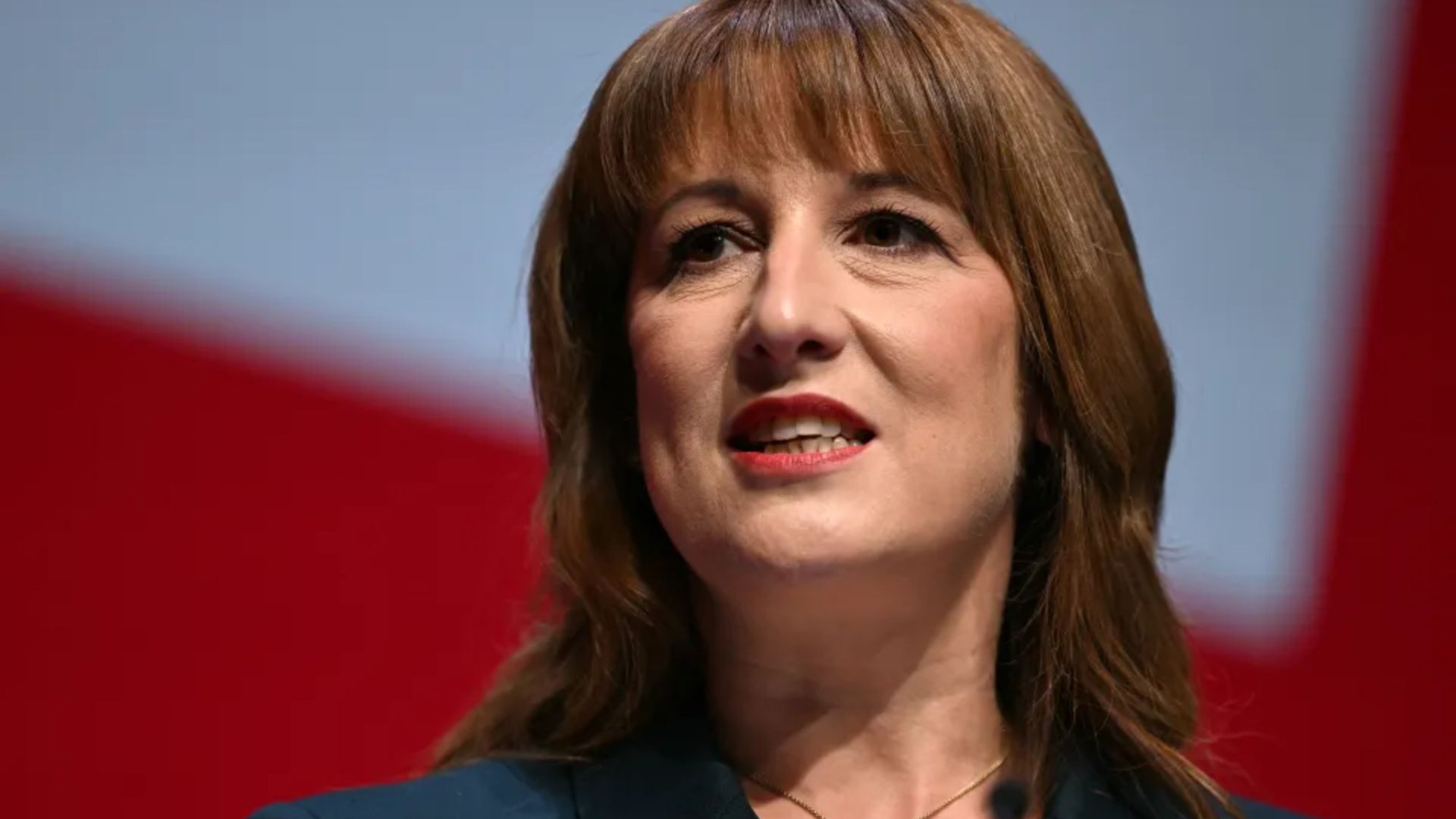
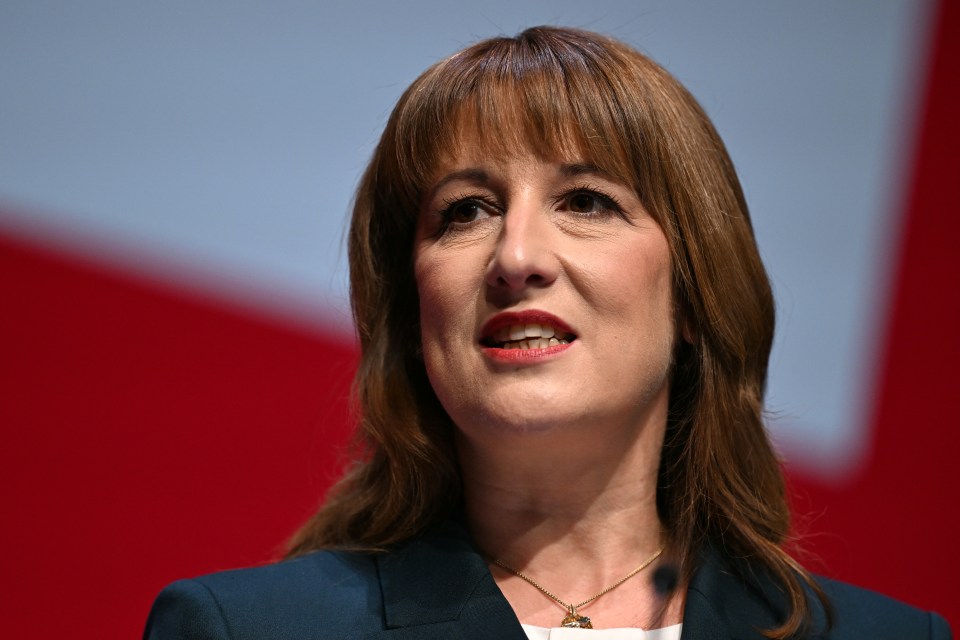
MOTORISTS face paying £100 more a year if Chancellor Rachel Reeves hikes fuel duty in the Budget, new research warns.
Household budgets across the country would be drained by a staggering £7.3 billion in total by 2029 if the temporary 5p-a-litre cut expires.

Prices would be pushed up for everyday goods such as food and energy costs in another cost-of-living blow.
The analysis by the Road Haulage Association says households will be hit by £360 between now and 2029.
Families without a car still face being hit by £255 a year in extra costs.
Chancellor Rachel Reeves may look to end the 5p cut at the Budget next month brought in at the start of the Ukraine war three years ago.


Any revenue-raising will help Reeves as she grapples to deal with a financial black hole of around £30 billion.
She will also, separately, have to make a decision over keeping fuel duty frozen which The Sun has campaigned on for the past fifteen years.
It comes as electric vehicle drivers may also be forced to pay new levies so they pay their fair share of tax as they don’t pay fuel duty at the pump.
Proposals being looked at by the Treasury include a tax on the weight of the car or a pay-per-mile system.
Britain will lose £15 billion in motoring tax revenue by 2029 if fuel duty remains frozen, the independent fiscal watchdog says.
Since the freeze kicked in – and with the 5p cut – there has been a total of £90 billion in lost revenue since 2011.
But Richard Smith, boss of the Road Haulage Association, said: “A fuel duty increase would be a hammer blow to a key industry already operating on thin margins.
“Diesel costs more here than anywhere else in Europe, and over half of every pound spent at the pump already goes to government.
“Firms in the road freight transport space keep shops stocked and building sites running, but they’ve been squeezed in recent years, and many have gone bust.
“When businesses face higher fuel costs, the costs don’t disappear. They flow through the supply-chain.
“This means households pay more for the weekly shop and energy bills. The essentials are hit hardest, and lower-income families feel it most.”
The Treasury last night said: “The Chancellor has been clear that at the Budget she will strike the right balance between making sure that we have enough money to fund our public services, whilst also ensuring that we can bring growth and investment to businesses.”