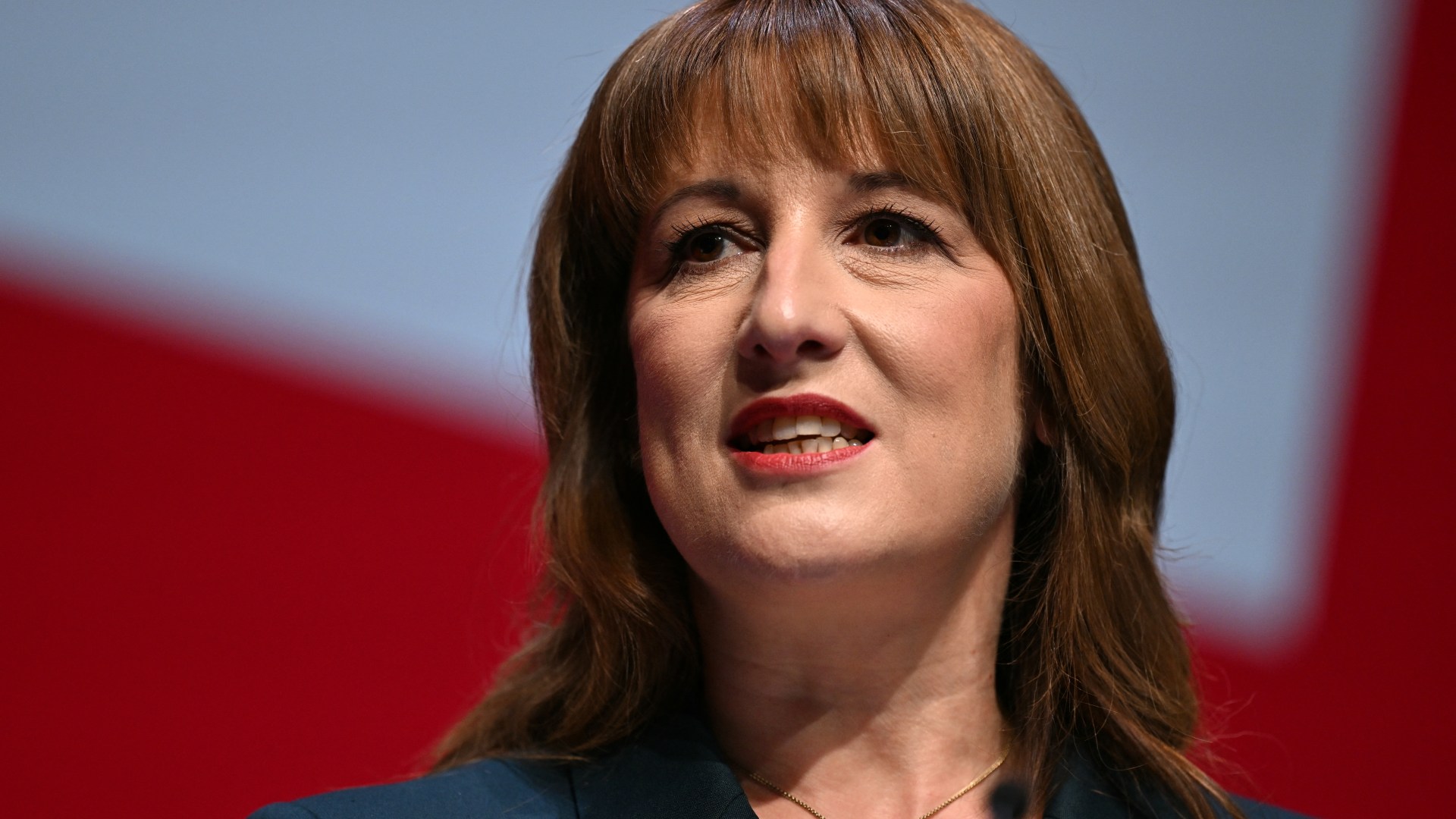
RACHEL Reeves is reportedly looking at slashing the Cash ISA allowance – but there are still ways you can protect your cash from the taxman.
ISA accounts currently let you stash away up to a maximum of £20,000 a year tax-free.
That means you don’t have to pay tax on interest or earnings from the accounts.
There are four main types of ISA: Cash, Stocks and Shares, Lifetime and Innovative Finance.
However the chancellor is said to be planning to halve the limit on the Cash ISA to £10,000 to encourage more people to switch their savings to Stocks and Shares.
It’s part of a Government bid to get more people investing and boost UK economic growth.

A source told the Financial Times that Reeves wants to see people investing more in British stocks “because it’s good for growth and it generates better returns for savers”.
It’s not yet confirmed whether this will happen and all will be revealed in the chancellor’s Autumn Budget on November 26.
You shouldn’t make any financial decisions based on what might happen in the Budget just yet – but it can help to be prepared.
If you are worried about your finances, you could speak to a financial adviser.
They will be able to offer you advice about your situation and explain if any of the measures will affect you.
You can find one using unbiased.co.uk – but remember, you will pay a fee.
It could also be worth considering these ways to shield your money from the taxman if you’re worried about the Cash ISA limit cut…
Use a Stocks and Shares ISA
The most obvious option – and the one the Government wants you to choose – is to stash your savings in a Stocks and Shares ISA instead.
Just like with a Cash ISA, your earnings from these accounts will be tax-free.
But rather than sitting in cash, your money is invested into the stock market.
That means your money can go up or down, and there is a risk you could end up with less than you put in.
Historically, investing has resulted in greater returns than traditional saving – as long as you’re willing to lock your money away for the next five to 10 years.
It’s worth noting that how the stock market has behaved in previous years can’t predict how it will in future.
Some investments are more risky than others, and usually the greater the risk the greater the potential return is.
Before investing you should make sure you have cleared any debt and also have an emergency fund in cash savings in case you need it.
Our guides to investing
HERE are our latest guides to getting started in the stock market…
Move more money into your Cash ISA now
If you’re worried, you could try saving more money into your Cash ISA account ahead of any changes.
As things stand, the limit still sits at £20,000.
But you shouldn’t put away more than you feel comfortable with.
Pay more into your pension
The Government encourages you to save for your retirement by giving you tax relief on pension contributions within HMRC‘s annual allowance limits.
Depending on the type of pension scheme you have, tax relief either reduces your tax bill or increases the amount paid into your scheme.
Where tax relief increases the amount paid in, you get the relief even if you’re a non-taxpayer.
On top of this, your pension fund grows tax-free.
When you retire, you can usually take up to 25% of your pension pot as a tax-free lump sum under current rules.
Your regular pension income is then taxed along with the rest of your income.
Alternatively, some pension providers allow flexible access to your pension pot with 25% tax free and the balance liable to Income Tax at your marginal tax rate. Check with your pension provider.
Before you retire, you could reduce your overall taxable income by increasing your pension contributions if you’re in a higher tax band.
For example, if you earn £55,000 and pay an extra £5,000 into your pension, your taxable income drops to £50,000.
This would then put you back in the basic-rate tax bracket.
Basic-rate taxpayers pay 20% tax on their earnings between £12,571 to £50,270.
But if you’re a higher rate taxpayer, you’ll pay 40% on anything between £50,270 and £125,140.
Additional rate taxpayers pay 45% tax on earnings above £125,140.
Pay into a children’s pension
You could save tax-efficiently for your child’s future retirement with a children’s pension.
You can save up to £2,880 each tax year, with the Government automatically topping up any contribution by up to £720.
This is tax relief of 20% on your total contribution.
When your child turns 18, they become the owner of the pension but they can’t access the pot until they’re 55.
Salary sacrifice schemes
If you’re in work, you could see if your employer runs a salary sacrifice scheme.
A salary sacrifice scheme is where a worker agrees for a chunk of their earnings to be put into a tax-free benefit.
Often, these include benefits like a childcare vouchers, gym membership or a cycle to work scheme.
But you can also use salary sacrifice schemes to boost your pension.
The money you agree to take off your salary will be put into a pension scheme, and your employer will contribute to this pot too.
A huge advantage of this is that you pay less in tax like National Insurance because the money is going straight into your pension.
Analysis from Vanguard Europe provided to The Sun estimates you can boost your retirement fund by up to £50,000 through salary sacrifice.
Although salary sacrifice is a boost to your income in real-terms because of the tax break, you should consider first whether you can afford to receive less in your pay packet each month.
Marriage allowance
If you’re married, you might be able to save by transferring some of your personal tax allowance to your husband, wife or civil partner.
Workers in the UK have a personal tax-free allowance of £12,570, and once you earn more than this you must pay income tax at the basic rate of 20%.
However, if you’re married or in a civil partnership and you earn below the personal allowance, you can transfer up to 10% of it to your partner.
Your partner must be a basic-rate taxpayer to get this benefit, meaning their annual income is between £12,571 and £50,270.


This can add up to £1,260 to your partner’s personal allowance, which would reduce the amount of tax they pay by £252.
You can reclaim the tax back for up to four years, meaning the benefit could be worth more than £1,000 in total.