BELOVED actor Diane Keaton has died of pneumonia after a “sudden” decline in health.
The Hollywood star, known for her roles in The Godfather and Father Of The Bride, died on October 11 at the age of 79.
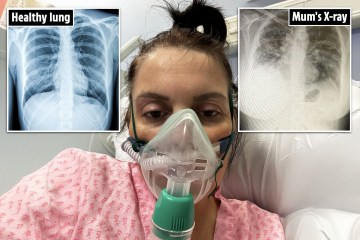
Pneumonia is a lung infection that can affect people of all ages, causing 25,000 deaths per year.
Most people recover with prompt treatment – antibiotics are given when the cause of pneumonia is bacterial, while viral pneumonia usually goes away itself with rest and plenty of fluids.
But pneumonia can be a serious condition, especially for infants, young children, older adults, and people with weakened immune systems or other underlying health problems.
The cause of Diane’s death was initially unknown, but her family later released a statement confirming her health had declined “suddenly” due to pneumonia.

They added: “The Keaton family are very grateful for the extraordinary messages of love and support they have received these past few days on behalf of their beloved Diane.
“She loved her animals and she was steadfast in her support of the unhoused community, so any donations in her memory to a local food bank or an animal shelter would be a wonderful and much-appreciated tribute to her.”
Dr Andrew Whittamore, Clinical Lead at Asthma + Lung UK and a practising GP explained chest infections can develop into pneumonia.
He said: “A chest infection is an infection that affects your lungs or airways and symptoms include a chesty cough, wheezing or shortness of breath, a high temperature of 38 degrees Celsius or above, and chest pains or discomfort.
“While most chest infections are not serious and last around three weeks, some can develop into more serious illnesses such as pneumonia or bronchitis.
“Bronchitis is inflammation of the airways in the lungs that may be caused by an infection.
“They can also worsen underlying health conditions such as asthma or COPD.”
More than 25,000 people die from pneumonia in the UK each year, according to Asthma + Lung UK, meaning the UK’s death rate surpasses all other European countries.
Pneumonia occurs when an infection causes inflammation of the air sacs in one or both lungs, which can fill with fluid or pus.
While pneumonia is more common during fall and winter, it can occur at any time of the year.
So what are the symptoms, and when should you take action?
What are the symptoms?
Pneumonia symptoms are similar to other illnesses, but the key difference is it’s particularly bad.
A chest infection can cause a cough, wheezing or shortness or breath.
When it comes to pneumonia, Dr Whittamore said: “Symptoms can include a cough, difficulty breathing, a high temperature, chest pain and loss of appetite.”
According to the NHS, symptoms of pneumonia can start suddenly or gradually over a few days.
They include:
- a cough – you may cough up yellow or green mucus (phlegm)
- shortness of breath
- a high temperature
- chest pain
- an aching body
- feeling very tired
- loss of appetite
- making wheezing noises when you breathe – babies may also make grunting noises
- feeling confused – this is common in older people
A key change from a normal respiratory illness, such as a cold or the flu, from pneumonia is the development of significant shortness of breath and chest pain.
Unlike typical colds or flu, pneumonia often causes difficulty breathing and a sharp or stabbing pain in the chest that worsens with deep breaths or coughing.
If these symptoms appear, it’s important to seek medical advice promptly.
In an emergency, always call 999.
When should you call 999?
- you’re struggling to breathe – you’re choking, gasping and unable to speak
- you have pale, blue or blotchy skin, lips or tongue
- you suddenly feel confused – for example, you do not know where you are
- you cannot wake your baby and they feel floppy
How serious can it be?
Young children, those aged over 65 and those with existing lung conditions such as asthma or COPD, can be more prone to chest infections.
Dr Whittamore says: “They can also be more serious among these groups because the inflammation causes narrowing of the airways making it harder to breathe.
“Also, in young children and older people it may be harder for them to get rid of mucus because their body’s defences may not be
working as well in the lungs.”
Pneumonia can lead to serious complications, including fluid buildup around the lungs (pleural effusion), pus collections in the chest cavity (empyema), and pockets of pus in the lung (lung abscesses).
More severe complications can involve respiratory failure, acute respiratory distress syndrome (ARDS), blood poisoning (sepsis), and even damage to other organs like the kidneys or heart.
Asthma + Lung data analysed in 2022 showed there had been a total of 126,229 deaths from lower respiratory tract infections (LRTIS) over the last five years.
LRTIs include pneumonia, acute bronchitis and bronchiolitis, influenza and whooping cough, but the majority of deaths seen in this category are from pneumonia.
In England, 81.9 per cent of LRTI deaths in 2017-2021 were from pneumonia.


Of those that die, 85 per cent are over the age of 75, – age is the biggest risk factor for dying from pneumonia.
However, the pneumococcal vaccine is considered the best way to protect against serious illnesses…
Who can get a pneumonia vaccine?
Those who are eligible can get a one-off pneumonia vaccine (pneumococcal vaccine).
The pneumococcal vaccine helps protect against meningitis and sepsis too.
Sarah Woolnough, CEO at Asthma + Lung, said: “The best thing you can do if you have a lung condition is make sure your vaccines are up to date, including the flu jab, and if you are eligible the Covid and pneumonia vaccine.
“It could save your life.”
Those eligible for a free pneumonia vaccine on the NHS include:
- Adults aged 65 or older
- Adults and kids with a long-term health condition including COPD, pulmonary fibrosis and severe asthma
- Adults at occupational risk, such as metal workers and welders
- Babies as part of their usual vaccination schedule.
Find out more on the NHS website.