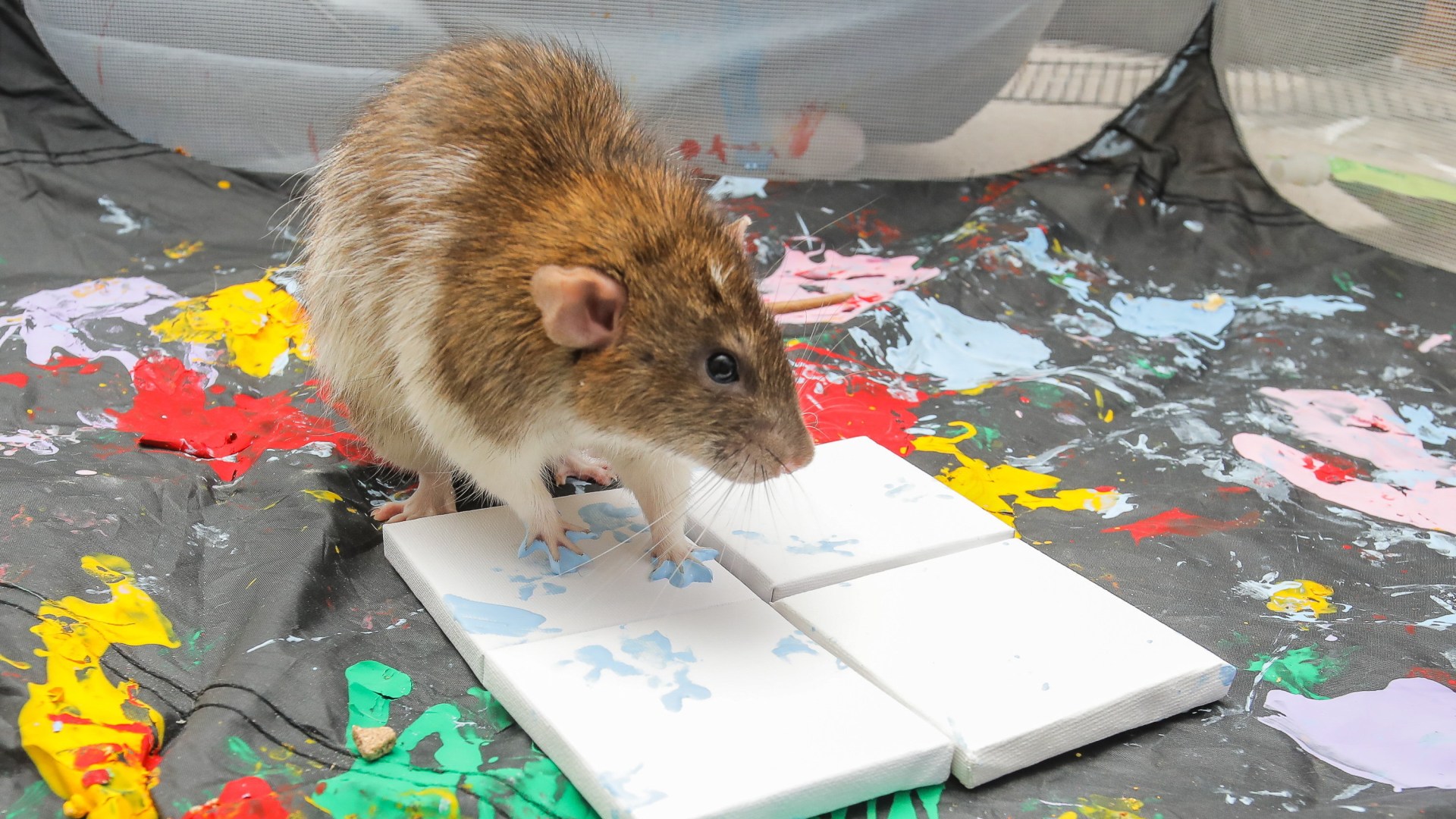

IT’S officially rat season and now is the time to take action to prevent an influx of the little blighters.
If you’re looking to protect your home, our experts can help with measures you can take today.

Pest experts Rentokil said that due to their heightened sense of smell, rats hate the smell of pepper, or anything spicy.
Therefore, you can make your own rat repellent by using chilli flakes, which you can pick up from less than £1 at Asda.
To make the repellent, simply mix chilli flakes with water and heat the mixture up, to infuse the chilli.
Then allow it to cool, and sieve out the chilli flakes.
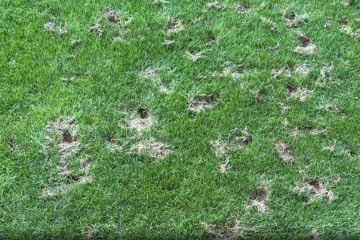

Pour the mixture into a spray bottle, and apply it to the garden and outdoor areas to keep them away.
Similarly, Rentokil said peppermint oil and strong vinegar will also keep the pesky rodents from your property.
Pest expert Mark Moseley, founder of Pest Gone Environmental, also told us the toilet system is the most common way for rats to enter your home.
He said there were lots of ways you can rat-proof your homes and prevent them making their way from your sewers or gardens into your house.
Flexible waste pipes are one way for rats to gain access to your property as they can chew through the thin materials.
Rats are climbers, so make sure foliage, such as ivy and wisteria, doesn’t reach the roof line. They can use climbing plants as a route to the attic.
Also, a rat can squeeze through a 2cm hole so check air bricks and gaps around windows and doors to be sure they are protected.
Rubbish should be bagged and placed in sealed bins as they are attracted by food waste. Never let bins overflow.
“All they have to do is find a mate, so they urinate everywhere to attract a mate and the next thing you know is one rat has turned into seven or eight.” said Mark.
“Then everyone in the street could have rats because of one problem.”
Rats also love gardens – particularly those stocked with essentials such as food and water.
Here Mark lists the five common garden mistakes that attract the pests.
Bird feed
Rats like to scavenge food people leave out for birds, so if you’re in the habit of treating your feathered friends, you may be inviting them in.
Have a catch tray under your bird feeder to stop the food falling to the floor and attracting rats.
He also advised removing compost heaps.
Pigeon food
People increasingly feeding pigeons by leaving food on the lawn.
Mark said what they don’t realise is that the pigeons will come but the food will attract rats, then the foxes will come and try and eat the rats. Before you know it you have all the pests heading for your garden.
Decking
If you have decking in your garden that has soft soil underneath rather than hard-standing, rats get underneath the decking, burrow in the soft soil which may then lead to them getting underneath your property.
Bird baths and rainwater pools
Rats needs 60 millilitres of water a day so will gravitate to any water source in your garden.


Make sure standing water such as bird baths and any container that will collect rainwater is removed from the garden.
Growing your own
Beware if you grow your own fruit and veg – as rats like a healthy and spicy diet.