OVER 700,000 Brits could face a hefty £1,000 fine if they forget to tell the DVLA about a common eye condition.
The disease is growing increasingly more common and can severely impair your ability to drive.
3
3
Those who suffer from glaucoma must inform the DVLA to avoid forking out an eye-watering fee.
Failing to do so could result in a substantial fine, or in some cases, even prosecution.
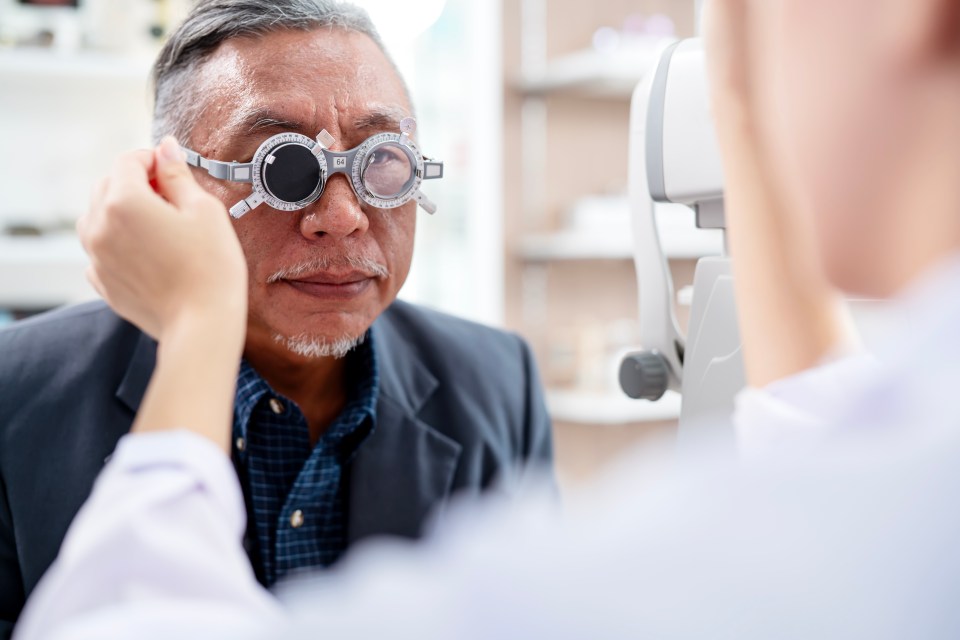
Diagnosis of the condition typically follows a routine eye test and can present numerous symptoms.
Symptoms of Glaucoma
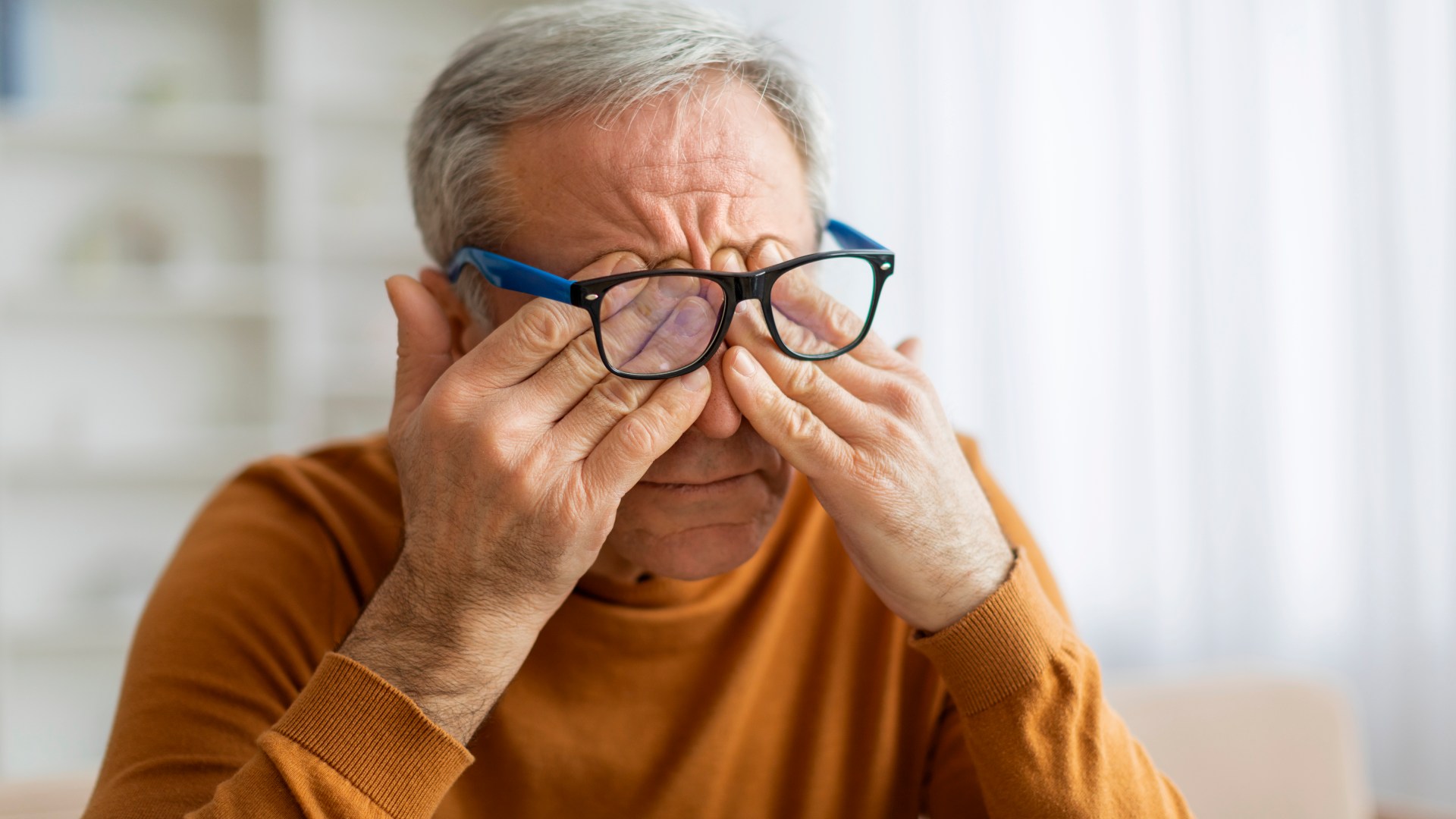
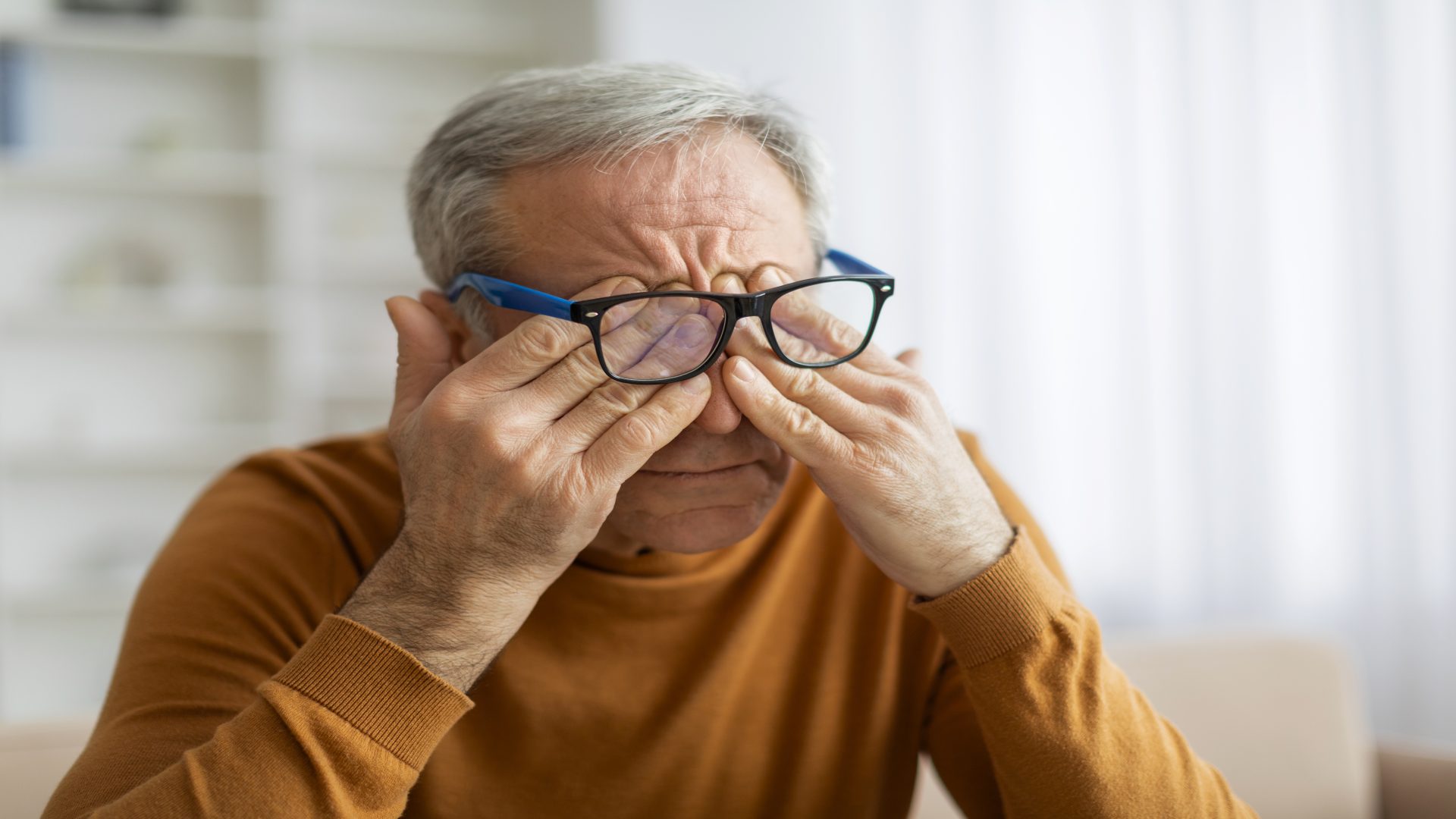
These include eye pain, redness, blurred vision, nausea, and seeing rainbow-coloured circles and bright lights.
The Royal College of Ophthalmologists estimates that the number of Brits living with glaucoma will surge by a third between 2020 and 2035.
More than two million people are currently at risk of vision loss due to glaucoma, often referred to as the silent thief of sight because it is usually symptomless during the first few years.
As many as half of all people with glaucoma are undiagnosed, but when detected early via eye tests, the condition is far more treatable.
The impact of Glaucoma on driving
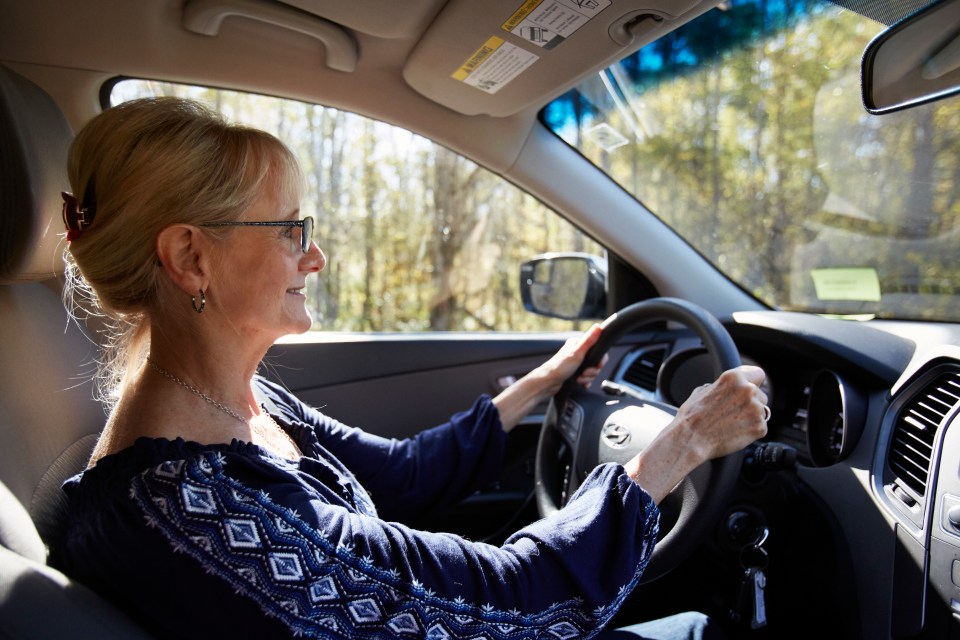
Glaucoma is included in the list of eye conditions that must be reported to the DVLA, due to severely impacting your ability to drive.
The DVLA must be notified of any condition affecting both eyes, or the remaining sighted eye if applicable, according to official guidelines.
It is also compulsory to inform the DVLA if a GP, optician, or eye-specialist has advised that you do not meet the visual standards for driving.
The law clearly states that all motorists must be able to read a number plate from 20 meters away.
Drivers must also have a normal field of vision in at least one eye, as verified by an optician.
The official GOV.UK website reads: “You can be fined up to £1,000 if you do not tell DVLA about a medical condition that affects your driving.
“You may be prosecuted if you’re involved in an accident as a result.”
Other conditions that must be reported include, blepharospasm, diabetic retinopathy (with laser treatment), retinitis pigmentosa, diplopia (double vision) and nyctalopia (night blindness).
Reporting an eye condition to the DVLA
You can report an eye condition by filling out a V1 form and sending it to the DVLA.
You can also make a report or find the relevant form online.
Bus, coach, or lorry drivers will instead have to fill out a V1V form.
A copy of the forms can be found and printed out via the GOV.UK website.
This comes after The Sun reported earlier this year that a warning was issued to more than five million British drivers who could be banned from the roads under a new rule.
Mandatory eye tests for elderly motorists are being considered along with a raft of other legislation according to The Times.
The new rules would slap older drivers with further regulations and come amid concern over the number of road traffic accidents on Britain’s roads.
What is glaucoma?
Glaucoma is an eye condition where the main nerve, which connects the eye to the brain, becomes damaged.
It is most common in adults aged 50 and over and can cause vision loss if it’s not diagnosed and treated early.
Symptoms of glaucoma:
Glaucoma typically doesn’t have symptoms, meaning many don’t realise they have it.
It develops slowly over many years and is usually picked up during routine eye etests.
The condition usually effects both eyes, however, it may be worse in one eye.
Sometimes it can develop suddenly, causing the following symptoms:
- intense eye pain
- a red eye
- tenderness around the eyes
- seeing rainbow-coloured circles around bright lights
- blurred vision
- feeling sick (nausea) and being sick
- a headache
Source: NHS
3