“Words create worlds,” Holocaust survivor and civil rights activist Rabbi Abraham Joshua Heschel often said. According to his daughter, it was a reminder that worldviews and related actions are formed by and flow from speech. Inspiring texts such as the United States’ Declaration of Independence or the sermons of Dr. Martin Luther King Jr. would validate this axiom.
But in today’s political rhetoric, words increasingly tend toward corrosive and dispiriting. “I hate my opponent, and I don’t want the best for them,” President Donald Trump said in September. And just last Friday it was revealed that Jay Jones, a Democratic candidate for the post of Virginia attorney general, had sent text messages fantasizing about killing a political foe.
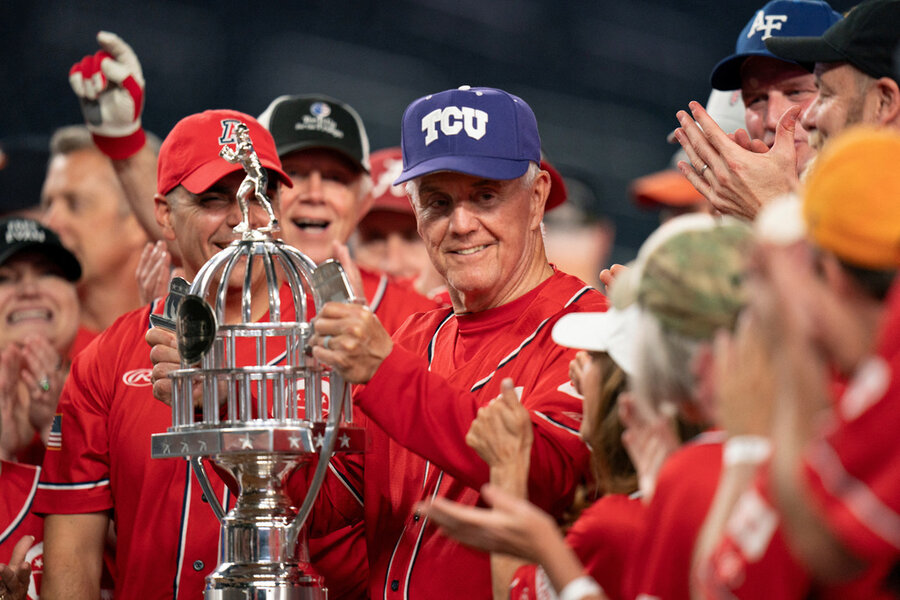
However, others in U.S. politics are seeking to shape and model civil discourse and compromise. In an article published the day after the news about Mr. Jones broke, The Wall Street Journal described how state lawmakers are participating in everyday kindnesses and enjoyments together – whether it’s volunteering or exercising or putting on potlucks and karaoke events.
“We don’t demonize one another when we’ve shared a meal,” one Minnesota legislator observed. “We’re starting a movement,” said another from Kansas, adding, “I’m learning about where [members of the other party are] coming from.”
Respectful and trust-based interaction is not just an end in itself. It’s essential to effective policy creation and consensus making. Partisan loyalties can fuel unwillingness to talk across party lines. And partisan animosity, in turn, a have found, can encourage voters to tolerate unethical moves by party leaders, Standford University researchers have found.
That is why, as Sean Westwood, director of the Polarization Research Lab and a Dartmouth College professor, puts it, “From the top down, we must address the behavior of political elites, … and from the bottom up, we need a citizenry with the civic skills to engage constructively across differences.” Dr. Westwood co-wrote a recent study that found that “genuine dialogue” among individuals is most effective in reducing polarization.
Future Caucus is one organization that supports younger legislators with skills in leadership and negotiation to bridge differences. It has more than doubled its membership of lawmakers since 2022 and has trained more than 1,900.
For Utah Gov. Spencer Cox, a Republican who launched the “Disagree Better: Healthy Conflict for Better Policy” initiative in 2023, moving away from polarizing rhetoric requires reaching out – with respect. “Getting outside your own bubble is so important,” he said in a talk at Harvard University that year. Echoing Dr. Westwood’s findings, he noted, “Finding opportunities to have face-to-face contacts with people who are different from us is powerful and important.”